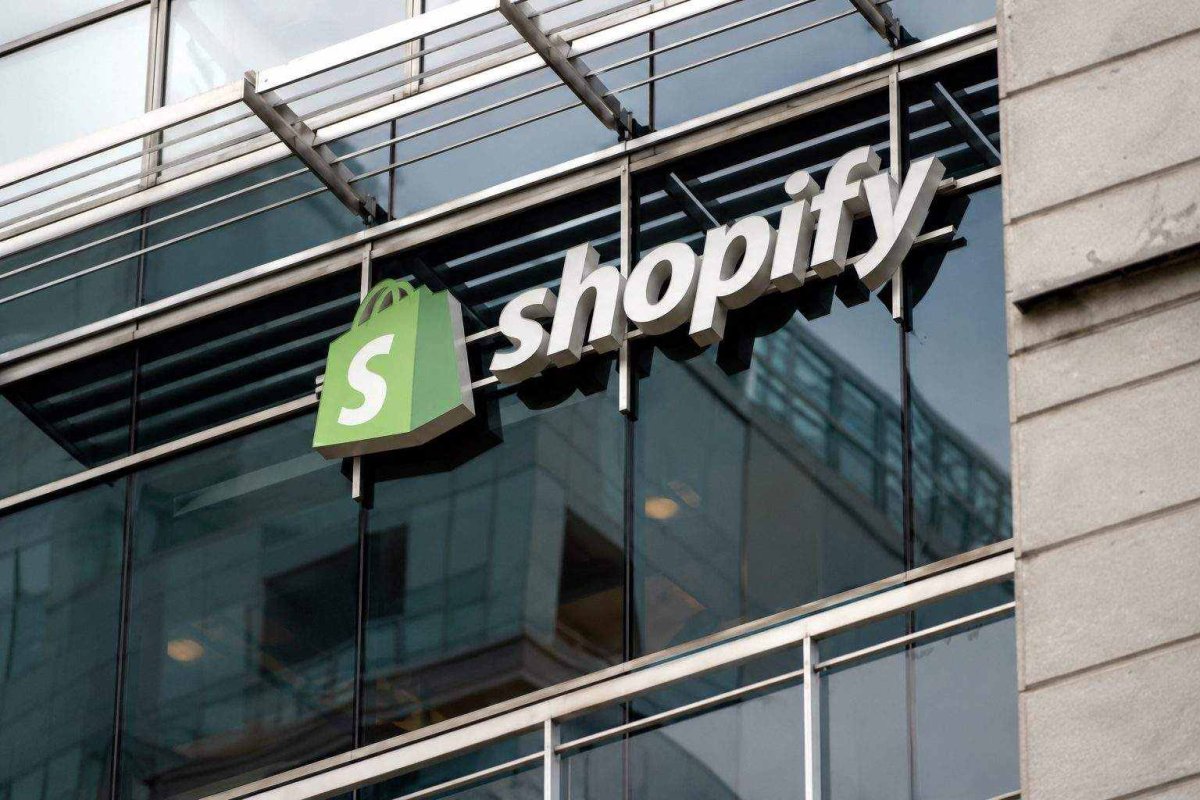
Shopify Inc. (SHOP) shares experienced a sharp decline on Monday, falling 7.13% to close at $102.54, and continued to slip in premarket trading on Tuesday. The selloff extends a pullback from around $127.55 before the company's earnings release last week, despite the fact that Shopify actually beat consensus estimates for the first quarter.
The company reported Q1 revenue of $3.17 billion, a 34% year-over-year increase, with gross merchandise volume (GMV) reaching $100.74 billion. Free cash flow margin held steady at 15%. However, the market's reaction was squarely focused on the second-quarter outlook, which pointed to a deceleration in growth and continued high spending.
Q2 Guidance Raises Concerns
Management guided for Q2 revenue growth in the high-20% range, gross profit growth in the mid-20% range, and operating expenses between 35% and 36% of revenue. Free cash flow margin is expected to land in the mid-teens. This guidance fell short of the lofty expectations baked into the stock's premium valuation, which had anticipated sustained 30%-plus growth and expanding margins.
The composition of revenue is a key factor. In Q1, merchant solutions generated $2.42 billion in revenue, compared to $750 million from subscription solutions. Merchant solutions carry significantly lower gross margins—approximately 39% versus roughly 80% for subscription solutions. As Shopify's ecosystem grows, the mix shift toward merchant services is pressuring overall profitability.
Bulls vs. Bears: The AI Commerce Debate
Bulls point to strong underlying momentum: GMV exceeding $100 billion, enterprise deal wins, and advances in AI-driven commerce. President Harley Finkelstein described Shopify as entering the AI era with "strong, durable growth and two decades of commerce intelligence." CFO Jeff Hoffmeister emphasized "broad-based growth across geographies, merchant sizes, and channels."
Bears, however, focus on the margin implications. Phillip Research maintained a Buy rating and $160 target, noting a 70-basis-point margin contraction tied to merchant services and AI-related expenses. They highlighted an 8x jump in AI-driven visitor traffic year-over-year and a 13x increase in AI-powered search orders, but the cost of maintaining that edge is rising.
Analyst Reactions and Macro Headwinds
Analyst targets have been trimmed following the report. Canaccord Genuity lowered its target to $145 from $165, UBS to $130 from $145, Citigroup to $156 from $163, and Barclays to $126 from $130. RBC maintained its $170 target. The average analyst price target stands at $159.66, with 32 of 36 analysts rating the stock a Buy.
Macro conditions are adding pressure. Growth stocks face headwinds from elevated interest rates, which reduce the present value of future cash flows. According to prediction markets Kalshi and Polymarket, the probability of the Federal Reserve holding rates steady in June is approximately 97%, with only a 2-3% chance of a 25-basis-point cut.
The broader e-commerce and payments landscape remains competitive, with Wix.com, BigCommerce, PayPal, Block, and others vying for market share. While merchant demand is robust, standout growth is increasingly tied to payments, embedded finance, and AI—areas that often compress margins or increase costs.
Ultimately, Shopify's fundamental business remains strong, but the market is recalibrating expectations. The stock's decline reflects not a demand problem, but a margin and valuation reality check.