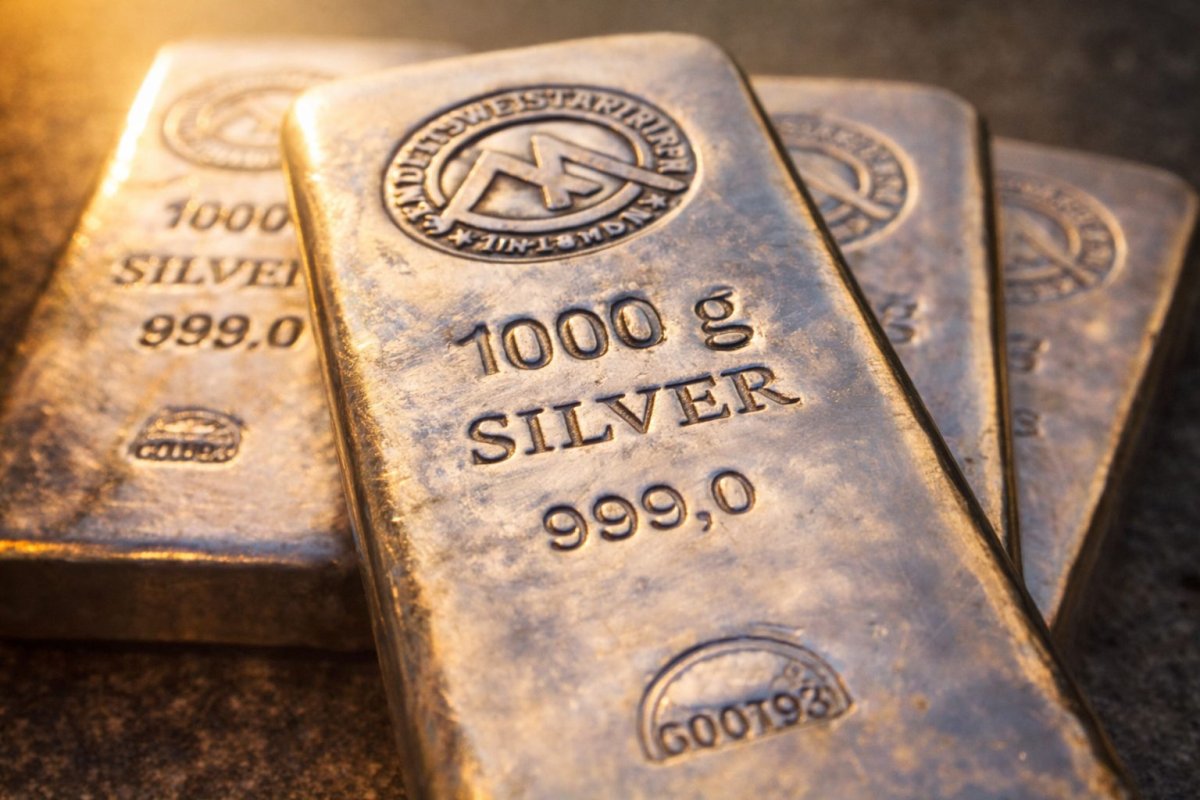
The silver market endured a brutal selloff this week, with prices collapsing under the weight of shifting interest rate expectations and a resurgent U.S. dollar. The most actively traded U.S. silver futures contract on the COMEX exchange plummeted 14.28% over the five-day period, settling at $69.36 per ounce on Friday. Spot silver mirrored the decline, tumbling 4.8% on Friday alone to close at $69.39 an ounce.
A Stark Reversal from Record Highs
The dramatic downturn marks a sharp reversal for the white metal, which was the standout performer in commodities just weeks ago. Silver had rocketed to an all-time high of $121.60 on January 29, 2026, capping an extraordinary 147% surge during the previous year. Analysts attribute the current plunge to a rapid unwinding of what had become an excessively crowded bullish trade, as macroeconomic winds shifted decisively.
The Interest Rate Catalyst
The primary driver behind the selloff was a fundamental repricing of Federal Reserve policy expectations. Market sentiment pivoted abruptly from anticipating rate cuts to now factoring in the potential for additional hikes. By Friday, interest rate futures implied roughly a 25% probability of a Fed rate increase by December. This stood in stark contrast to the outlook just five days prior, when the odds of a hike were essentially zero as traders clung to hopes for monetary easing.
Robert Pavlik, Senior Portfolio Manager at Dakota Wealth Management, summarized the shift: "Expectations for a rate cut are fading fast." The reassessment was fueled by concerns over persistently high energy prices and stickier inflation, partly linked to ongoing geopolitical tensions, which suggested the Federal Reserve may need to maintain a restrictive stance for longer.
Broader Market Pressures Mount
The recalibrated rate outlook reverberated across financial markets. Bond yields climbed significantly in both the United States and Europe, increasing the opportunity cost of holding non-yielding assets like precious metals. Concurrently, the U.S. dollar strengthened, applying further downward pressure on dollar-denominated commodities. Daniel Ghali, a commodity strategist at TD Securities, warned during the selloff, "we continue to see risk to the downside," as metals were battered by the firmer greenback and profit-taking.
The exodus from precious metals was quantifiable and severe. Investment flow data revealed a massive $5.19 billion net outflow from gold and precious metals-focused funds during the week. This represented the heaviest weekly withdrawal from the sector since at least August 2018. In a telling sign of risk aversion, this capital largely rotated into money market funds, which attracted a substantial $32.57 billion over the same period.
Industrial Demand vs. Investment Flight
Silver's unique market dynamics, straddling both precious metal and industrial commodity roles, often lead to heightened volatility compared to gold. Its industrial applications in electronics, solar panels, and electric vehicles provide a fundamental demand base. The Silver Institute recently reported a sixth consecutive annual structural deficit for the physical silver market, where supply continues to lag demand. Notably, the institute projected a 2% dip in industrial usage for the current year but forecast a robust 20% jump in physical investment demand.
However, this week's turmoil was overwhelmingly driven by financial investors and macro traders, not industrial users. The ferocity of the selling overwhelmed the supportive physical fundamentals, demonstrating the metal's sensitivity to shifts in monetary policy sentiment and dollar strength.
Equity Market Corollary
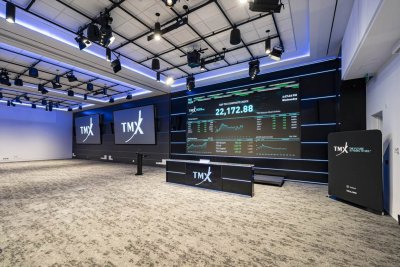
The pain extended beyond the futures pits into the equity market. Companies tied to silver production and materials saw their shares decline. On the Toronto Stock Exchange, the materials sector fell 3.1% on Friday. Individual silver mining stocks, such as Endeavor Silver, dropped 4.5%, illustrating that equity exposure offered little safe haven during the metal's descent.
The Oil Wild Card
Looking ahead, analysts point to oil prices as a critical variable that could influence silver's trajectory. Chris Fasciano, Portfolio Manager at Commonwealth Financial Network, suggested, "We could have a resolution in the next week," referring to geopolitical tensions, which might relieve pressure on yields and the dollar. Conversely, analysts at UBS warn that markets are bracing for a prolonged conflict, potential infrastructure disruptions, and sustained elevated crude prices—a scenario that could perpetuate the high-inflation, high-rate environment currently pressuring silver and keep the metal range-bound.
The week's dramatic move has reset the landscape for silver, shifting focus from its spectacular rally to its vulnerability to hawkish central bank pivots. Investors will now watch for stability in bond markets and the dollar to gauge whether the liquidation has run its course or if further declines are imminent.