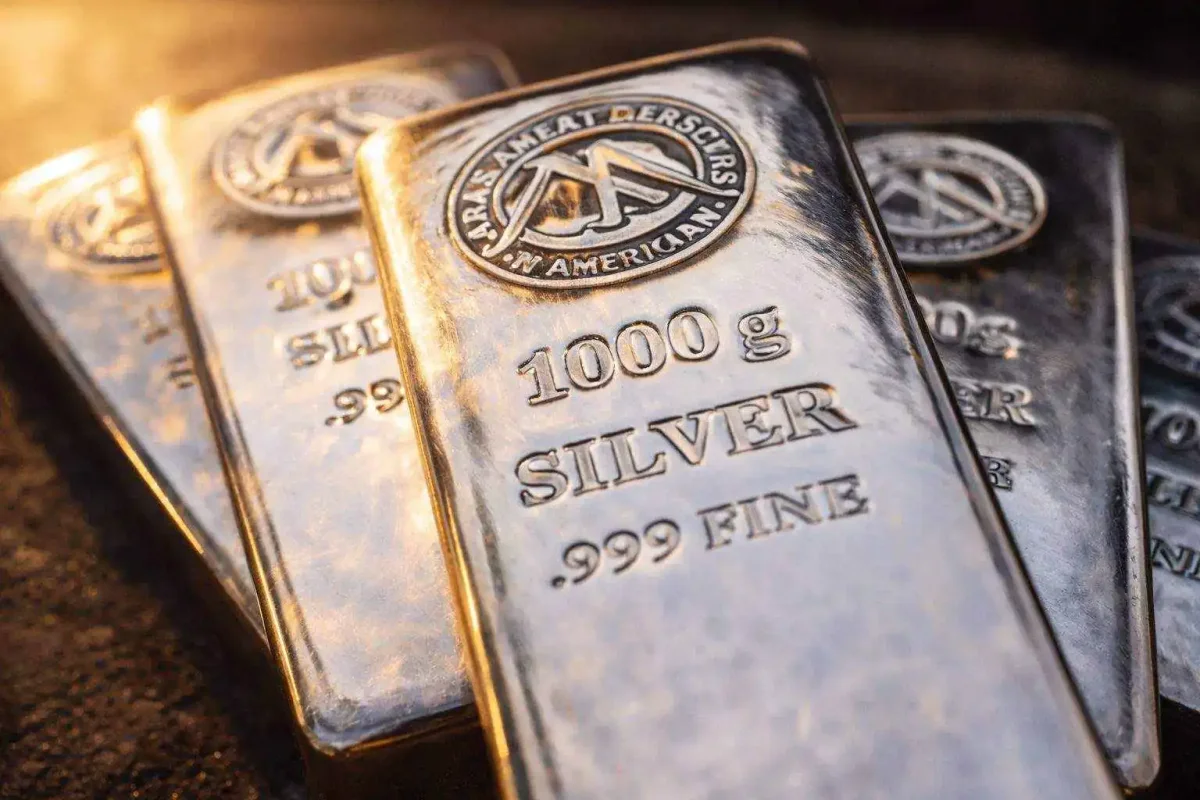
Silver prices experienced a sharp selloff on Thursday, March 19, 2026, as a combination of monetary policy headwinds and geopolitical tensions rattled the precious metals complex. Spot silver declined 4.3% to settle at $72.14 per ounce, while the most-active U.S. silver futures contract plummeted 6.34% to $72.675.
Central Bank Policy Drives the Decline
The primary catalyst for the drop was the Federal Reserve's latest policy decision, which reinforced a "higher for longer" interest rate environment. On Wednesday, the Fed held its benchmark policy rate steady in the 3.50%-3.75% range and signaled only one potential quarter-point cut for the remainder of the year. Chair Jerome Powell acknowledged significant economic uncertainty, particularly from the Middle East, stating plainly that "nobody knows" the potential size of the resulting shock. This stance dampened the appeal of non-yielding assets like silver, which often benefit from expectations for rate cuts.
The dollar index responded immediately, climbing 0.51% to 100.0 following the Fed's announcement. Analysts characterized the move as a "hawkish hold." A stronger U.S. currency makes dollar-denominated commodities like silver more expensive for holders of other currencies, typically eroding international demand.
Oil Spike Adds Inflationary Pressure
Compounding the bearish sentiment, crude oil prices surged, adding another layer of complexity. Brent crude futures jumped $6.08, or 5.7%, to settle at $113.46 per barrel, after briefly touching $115.10. The spike followed military strikes by Iran on energy sites in the Gulf region. This sharp increase stoked fears that persistent gains in fuel costs could entrench inflation, thereby giving central banks further reason to maintain restrictive monetary policies and delay rate cuts.
Precious Metals Complex Under Pressure
The downdraft was not isolated to silver. The broader precious metals sector traded lower, with gold, platinum, and palladium all posting declines. Analysts noted that the traditional safe-haven flows that sometimes support bullion during geopolitical turmoil were overwhelmed by the headwinds of a strong dollar and the implications of higher energy costs on interest rate expectations.
Silver's Volatile Year Continues
The day's decline continues an exceptionally volatile period for the white metal. Silver had staged a historic rally in 2025, soaring 147% and reaching an all-time high of $121.64 per ounce on January 29, 2026. That parabolic move has since collapsed into a pattern of sharp swings, fulfilling analyst predictions from February warning of steep corrections. The metal's dual nature—serving both industrial and investment demand—makes it particularly sensitive to shifts in economic sentiment. Industrial uses span jewellery, electronics, electric vehicles, and solar panels, while its investment appeal fluctuates with rate expectations and macroeconomic fears.
Structural Deficit Provides a Long-Term Floor
Despite the near-term pressures, some fundamental support remains. The Silver Institute projects that 2026 will mark the sixth consecutive year of a structural market deficit, where demand outpaces supply. This persistent shortfall could help cushion prices from more severe declines. However, industrial demand faces its own challenges; manufacturers in the solar sector, for instance, are actively seeking alternatives like copper to mitigate costs, with industry experts noting silver remains "the greatest contributor" to higher solar panel production expenses.
Market attention now turns to other major central banks, with the European Central Bank and the Bank of England scheduled to announce their own policy decisions later on Thursday. Traders are positioned for potentially hawkish tones, which could further influence global currency and commodity flows. For silver, the path forward appears tied to a delicate balance between central bank signals, dollar movements, and energy market volatility, rather than pure safe-haven demand.