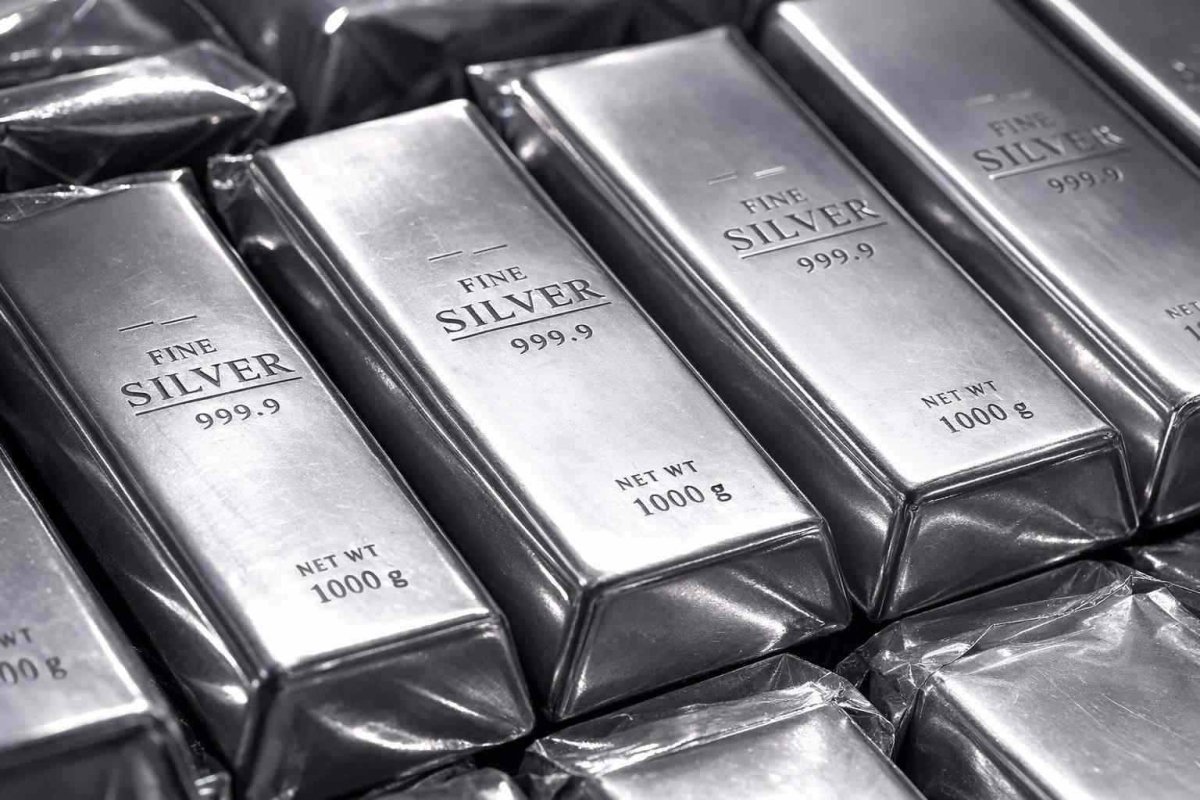
Precious metals markets experienced a volatile session on Wednesday, with silver staging a notable recovery after a sharp decline earlier in the week. The spot price for silver rose 1.8% to settle at $83.43 per ounce by the close of trading, according to data from Kitco. This rebound followed a significant downturn on Tuesday, during which the metal plunged as much as 10% as investors sought liquidity in the U.S. dollar.
Dollar Dynamics Drive Metals Movement
The primary catalyst for silver's recovery was a pullback in the U.S. dollar, which had previously surged amid market uncertainty. The dollar index, which measures the greenback against a basket of major currencies, declined 0.31% to 98.77. This depreciation provided relief for dollar-denominated commodities like silver, making them less expensive for holders of other currencies. "The dollar has seen a pullback, which is providing some support," noted Peter Grant, vice president and senior metals strategist at Zaner Metals.
During Wednesday's session, silver traded within a wide range, hitting a low of $81.44 before climbing to a high of $86.92. This volatility reflects the metal's dual nature as both a precious metal that tracks gold during risk-off periods and an industrial commodity influenced by economic growth expectations. The complex interplay between safe-haven demand and industrial usage makes silver particularly sensitive to currency fluctuations and shifts in broader market sentiment.
Broader Precious Metals Context
Other precious metals also found support during the session. Gold stabilized after recent pressure, while both platinum and palladium posted modest gains. The recovery across the sector suggests some renewed investor confidence, though analysts caution that the rebound remains fragile. "Investors are seeing light at the end of the tunnel," commented Karl Schamotta, chief market strategist at Corpay in Toronto, though he emphasized that market conditions remain uncertain.
The previous day's selloff in silver was notable for its intensity. Market observers characterized the move not as a traditional flight to safety but rather as a scramble for cash, with investors liquidating positions across various assets to raise dollars. This occurred even as geopolitical tensions continued to simmer, highlighting how liquidity concerns can sometimes override traditional safe-haven flows during periods of market stress.
Employment Data Looms Large
Market attention has now shifted decisively toward upcoming U.S. economic indicators, particularly Friday's nonfarm payrolls report. According to a Reuters poll, economists expect the data to show approximately 59,000 new jobs were created in February. This figure follows the ADP employment report, which provides a preliminary glimpse into private sector hiring trends.
The jobs data represents the next major signal for Federal Reserve interest rate policy. Rising expectations for higher interest rates typically pressure non-yielding assets like precious metals, as investors can obtain better returns from interest-bearing cash or bonds. Conversely, any indication that the Fed might delay or slow its tightening cycle could provide further support for silver and other metals.
Market Implications and Outlook
Analysts warn that silver's recovery remains on shaky ground. A renewed surge in the dollar or another wave of cash hoarding could quickly reverse recent gains, potentially triggering another round of forced selling. The metal's performance continues to hinge on the delicate balance between its safe-haven attributes and its industrial demand profile.
While geopolitical conflicts remain a background concern, currency markets currently exert the dominant influence on precious metals pricing. The dollar's trajectory, in turn, depends heavily on monetary policy expectations, which will be shaped by incoming economic data. Traders are therefore positioning cautiously, aware that Friday's employment report could significantly alter the market landscape.
The broader commodities complex showed mixed signals during the session. Oil prices took a breather from recent gains, while some risk assets found buyers. This suggests that while some stability has returned to markets, underlying tensions persist. For silver specifically, the path forward will likely be determined by the interplay between dollar strength, interest rate expectations, and any developments in industrial demand as global economic conditions evolve.