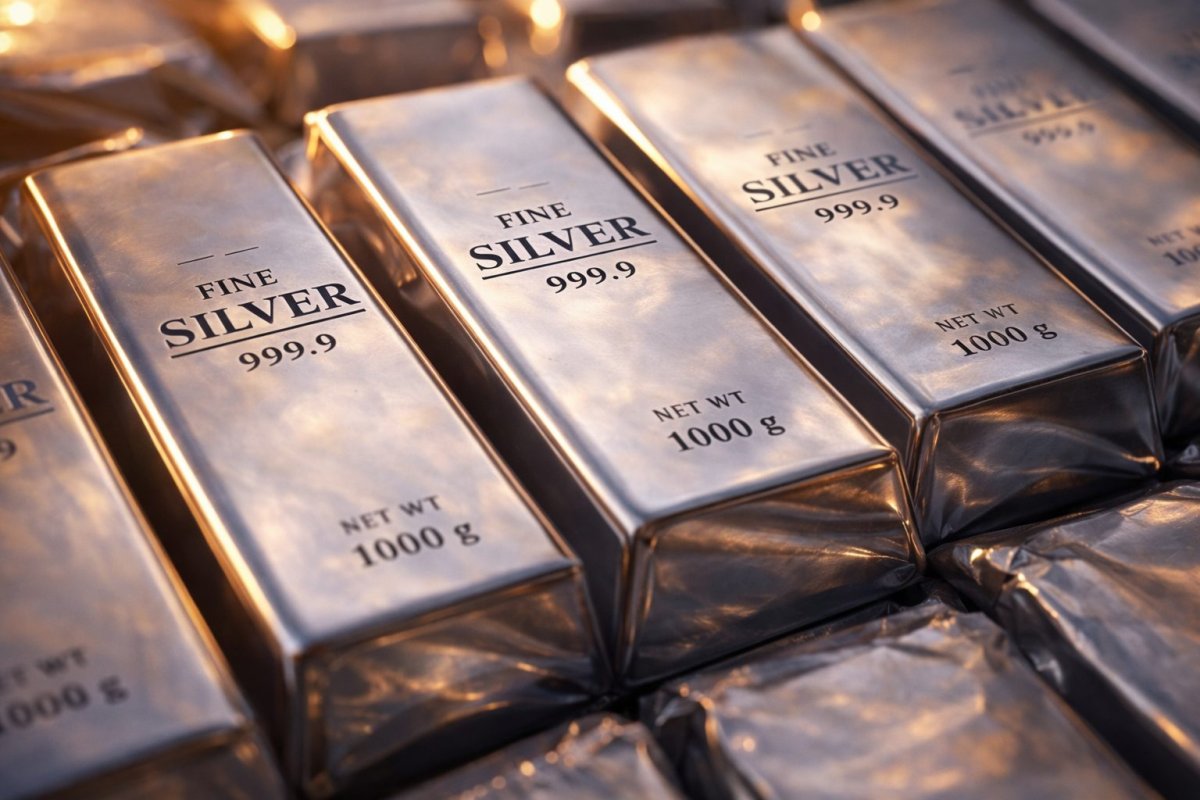
Silver staged a powerful recovery in Friday trading, with spot prices surging more than 4% to $71.01 per ounce by late morning Eastern Time. This rally effectively clawed back the prior session's steep 5% decline to $67.71, as buyers re-entered the market. The rebound underscores silver's dual role as both a strategic industrial input and a traditional haven asset, making its price movements significant for manufacturers and investors alike.
Broader Precious Metals Rally
The buying momentum was not confined to silver. The entire precious metals complex experienced a strong upswing. Gold prices advanced 3.6% to $4,536.29 an ounce. Platinum gained 3%, reaching $1,882.05, while palladium rose 3.7% to $1,403.54. This coordinated move suggests a broader reassessment of the sector, potentially driven by technical factors and shifting macroeconomic views.
Context of the Prior Selloff
The rally followed a pronounced shift in market sentiment on Thursday. A strengthening U.S. dollar and oil prices climbing past $110 per barrel rekindled inflation anxieties. Notably, market pricing adjusted to fully remove expectations for Federal Reserve interest rate cuts in 2026. This shift typically pressures non-yielding assets like precious metals, contributing to the initial selloff. Daniel Pavilonis, senior market strategist at RJO Futures, noted the selloff created a buying opportunity as prices dipped below key technical levels like the 200-day moving average, a benchmark closely watched by institutional funds.
Despite the robust one-day gain, silver remains deeply below its historic peak. The metal reached a record high of $121.60 on January 29, 2026, before entering a steep correction. By February 2, it had fallen 36% from that zenith. Analysts, including Saxo Bank's Ole Hansen, attributed the January surge to a "massive, massive retail frenzy" that proved unsustainable, leading to a subsequent sharp correction.
Persistent Supply-Demand Imbalance
A critical fundamental backdrop for silver is a prolonged market deficit. According to the Silver Institute, the market is projected to record its sixth consecutive annual structural supply shortfall in 2026. Demand is forecast to outstrip supply by a significant 67 million ounces. This deficit persists despite a nuanced demand picture: industrial consumption is expected to dip by 2%, while physical investment demand is anticipated to jump 20%, reaching its highest level in three years.
This structural deficit supports analyst price forecasts that remain above current spot levels. A Reuters poll from February projected an average silver price of $79.50 per ounce for 2026. However, analysts express caution regarding the sustainability of demand. Carsten Menke of Julius Baer pointed to a cooling in industrial demand, noting solar panel manufacturers are actively reducing silver usage or switching to cheaper alternatives. Michael Widmer of Bank of America warned of "a lot of volatility ahead, with risks of sharp pullbacks."
Safe-Haven Appeal Under Scrutiny
The recent price action has also prompted questions about the immediate safe-haven status of precious metals. Analysts at Intesa Sanpaolo observed that speculative trading dynamics have recently eroded gold and silver's appeal as havens, citing instances where investors sold these assets for liquidity during early stages of geopolitical tensions. Kitco Metals' Jim Wyckoff highlighted the ongoing pressure on gold from the prospects of sustained higher interest rates and persistent inflation.
Looking ahead, the market consensus suggests silver may be settling into a new trading range. Following the extreme volatility of January, analysts indicate a more sustainable price band may lie between $60 and $70 per ounce—a level far removed from the triple-digit highs seen earlier in the year. While Friday's action represented a legitimate technical bounce, the fundamental debate between structural supply deficits and potential demand headwinds is far from resolved, setting the stage for continued volatility.