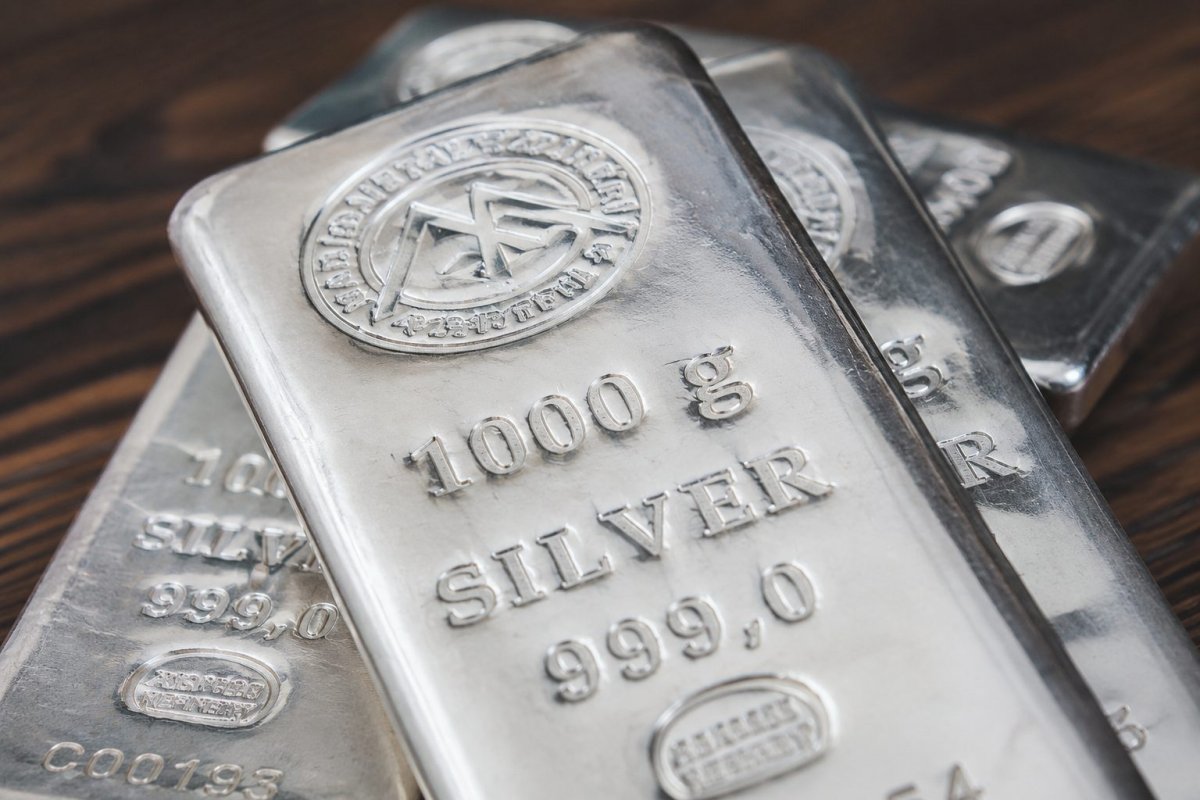
Spot silver fell sharply on Friday, sliding 5.9% to $78.53 per ounce as a surge in oil prices reignited inflation fears and strengthened the U.S. dollar. The decline pushed the precious metal below the psychologically important $80 mark, a level that had previously provided support.
Oil's Rally and Dollar Strength Weigh on Metals
Brent crude jumped 6.2% this week to trade above $106 a barrel, according to Reuters, amid escalating geopolitical tensions in the Middle East. The rally in energy markets boosted inflation expectations, which in turn drove U.S. bond yields higher and lifted the dollar by over 1% for the week. A stronger dollar makes dollar-priced metals more expensive for foreign buyers, adding to the selling pressure.
The combination of rising yields and a firmer dollar has been particularly damaging for non-yielding assets like silver and gold. "Bullion's getting hit from all sides," said Tim Waterer, chief market analyst at KCM Trade, pointing to oil, yields, and the dollar as headwinds.
Rate Cut Hopes Fade
The market's expectation for Federal Reserve rate cuts has diminished sharply. Data from DeFi Rate showed a 97.4% probability of the Fed holding rates steady in June, with Kalshi at 96.5% and Polymarket at 97.7%. The implied probability of no rate cuts through 2026 stood at 57%, according to the same sources. On Polymarket's "Fed rate cut by…?" contract, traders saw December as the most likely timing for a first cut, at 28%, followed by October at 25%.
Forecasts Diverge
Analyst forecasts for silver vary widely. The LBMA's 2026 survey shows an average price expectation of $79.57, with a range spanning from $42 to $165. Of 26 analysts surveyed, 17 expect silver to exceed $100 at some point this year. The most bearish call comes from TD Securities' Bart Melek, while ICBC Standard Bank's Julia Du is the most bullish.
HSBC remains cautious. Chief precious metals analyst James Steel forecasts an average of $75 for 2026 and $68 for 2027, with year-end targets of $70 and $65 respectively. "Moderating deficits" will not support a major breakout, Steel said, as mine and recycling output rises while industrial and jewellery demand softens.
Physical Supply Deficit Persists
On the supply side, the Silver Institute and Metals Focus report that the sector faces its sixth consecutive annual deficit, with stocks declining by 762 million ounces since 2021. "Risks of another liquidity squeeze" remain, said Philip Newman, managing director at Metals Focus, even though London lease rates have stabilized.
However, rising prices are beginning to curb demand. The Silver Institute projects industrial fabrication will decline in 2026, while jewellery and silverware demand is also under pressure. If U.S. yields stay elevated and the dollar remains strong, rallies may falter despite the deficit.
Outlook Hinges on Rates
For now, silver's direction depends more on interest rates than on industrial demand. A weaker dollar or revived rate-cut expectations could bring deficit concerns back to the fore. But if the Fed maintains a "higher for longer" stance, silver faces continued headwinds, and the market will test whether physical shortages can stem the decline.