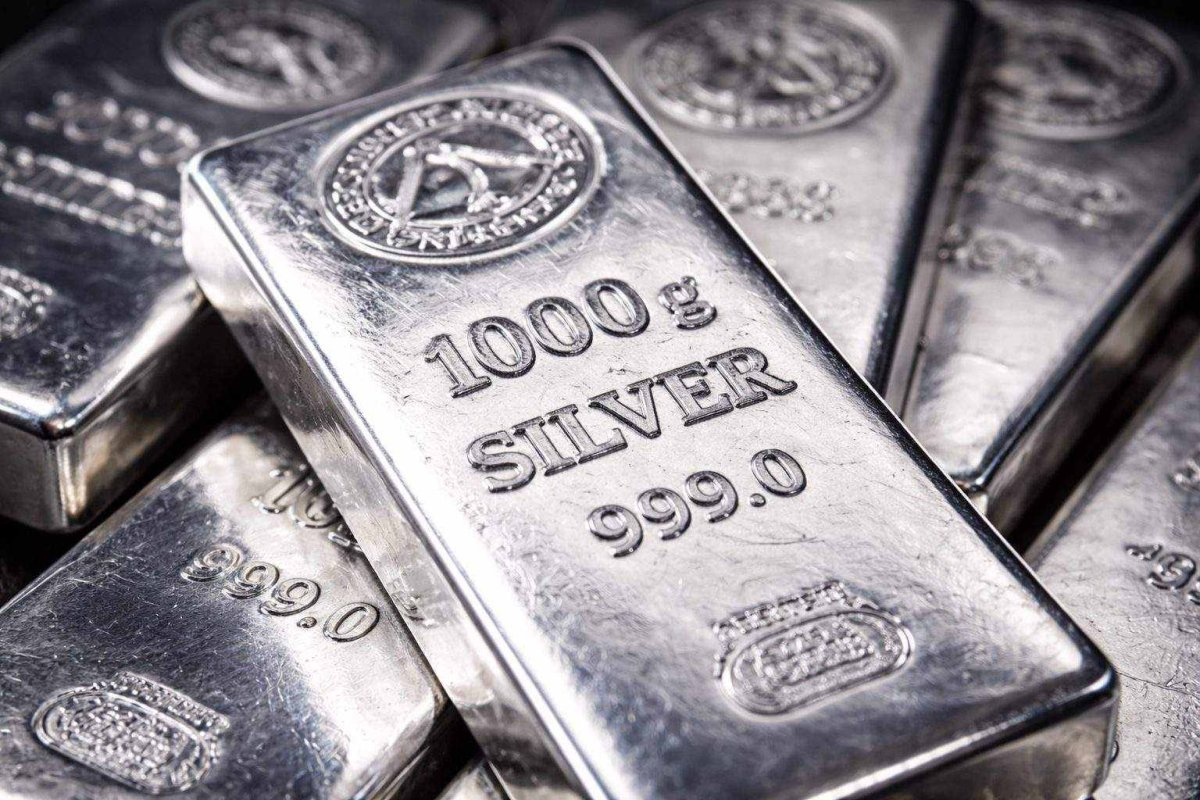
Silver prices declined significantly on Wednesday, March 18, 2026, dropping approximately 3% to trade near $76.85 per ounce in New York. The precious metal touched an intraday low of $75.53 before settling, marking its weakest level in about a month. The sell-off was driven by a combination of a strengthening U.S. dollar and ongoing concerns about persistent inflation, which dampened investor appetite for non-yielding assets.
The Federal Reserve's latest policy decision served as a primary catalyst for the move. The central bank held its benchmark interest rate steady within the 3.50%-3.75% range and maintained its projection for only a single quarter-point rate cut in 2026. This unexpectedly hawkish stance suggests borrowing costs will remain elevated for an extended period, diminishing the relative appeal of silver, which does not offer interest or dividends to holders.
Broader market conditions exacerbated the pressure on metals. The U.S. dollar index advanced to 99.83, making dollar-priced commodities like silver more expensive for holders of other currencies. Concurrently, economic data revealed ongoing inflationary pressures, with U.S. producer prices rising 0.7% in February for a 3.4% annual gain. Geopolitical tensions also contributed to the risk-off sentiment, as Brent crude oil surged near $108.56 per barrel amid threats from Iran targeting regional energy infrastructure.
Market analysts interpreted the data as supportive of the Fed's cautious posture. JPMorgan economist Abiel Reinhart noted that stubborn core inflation figures bolster the argument for rates to "remain on hold for some time." Kitco Metals analyst Jim Wyckoff suggested the bullish momentum for precious metals had "run out of gas," reflecting a shift in market sentiment.
The downturn in silver prices translated into immediate losses for major mining companies. Pan American Silver Corp. saw its shares drop roughly 6% during U.S. afternoon trading. First Majestic Silver Corp. declined about 5%, while shares of streaming company Wheaton Precious Metals Corp. shed close to 4.5%.
The weakness was not confined to U.S. markets. In Toronto, the S&P/TSX Materials Index slid 4.5%, dragged lower by declines of over 3% in both gold and silver prices. This sell-off contributed to a broader retreat in Canada's primary equity benchmark.
This represents a stark reversal from the start of the year. In late January 2026, a retail-driven buying frenzy propelled silver to a record high of $121.60 per ounce. The metal remains a critical industrial component, essential for electronics, electric vehicles, and solar panels. According to a February report from the Silver Institute, the market is still projected to face a sixth consecutive annual structural deficit in 2026, with demand continuing to outstrip supply.
The path forward for silver is clouded by macroeconomic crosscurrents. Sustained high oil prices and the Federal Reserve's commitment to maintaining restrictive interest rates—or any official shift toward the projected single rate hike for the coming year—could exert further downward pressure. However, a potential cooling in the labor market or a subsidence in energy price shocks might allow the metal to stabilize and potentially recover some ground before the end of the year.