SK hynix Inc. (NASDAQ: SKHY) experienced a sharp rally on Friday, with its U.S.-listed depositary shares climbing 8.1% to close at $177. This surge pushed the ADS to a significant premium over its Seoul-traded common shares, highlighting a widening valuation gap that has captured investor attention.
Each ADS represents one-tenth of a Korean common share. Based on Friday's Seoul closing price of 1,647,000 won and the dollar-won exchange rate of 1,355.41, the underlying value of one ADS is approximately $121.51. This implies a premium of 45.7% for the U.S. shares, translating to a $55.49 gap per ADS before fees and taxes.
The discrepancy in pricing is not merely a currency fluctuation. When applied across SK hynix's total issued shares of 730.49 million, the Seoul price implies an equity value of approximately $888 billion, while the ADS price suggests a valuation of around $1.29 trillion. This hypothetical $405 billion difference underscores the market's divergent views on the company's worth, though it is important to note that only a fraction of shares trade as ADSs, limiting the practical impact.
The premium persists partly due to structural constraints. According to the SEC prospectus, new ADSs can be created by depositing Korean shares, but the depositary may require SK hynix's consent above specified limits. This condition dampens the usual arbitrage mechanism, as investors cannot easily convert cheap Seoul shares into sellable U.S. receipts. Additionally, the two markets operate in different currencies and trading hours, further complicating simultaneous price equalization.
Friday's move broke SK hynix ADS out of its late-August range, where it had traded between $160 and $165 for five sessions. The 20.7 million shares traded represented a 64% increase over the prior nine-session average, signaling heightened investor interest. The ADS has now gained 9.5% since its August 27 close of $161.61.
In Seoul, the common shares rose a more modest 3.2% to 1,647,000 won, with the KOSPI index gaining 1.6%. This divergence highlights the unique dynamics of the U.S. listing.
Adding to the narrative, SK hynix disclosed in an SEC filing that its subsidiary Solidigm is reviewing options to enhance competitiveness, though no decisions have been made regarding reported pre-IPO fundraising. Solidigm houses the NAND business acquired from Intel. A capital raise could unlock value or fund expansion, but it might also dilute SK hynix's economic interest depending on the terms.
The company's strong balance sheet provides some comfort. As of the second quarter, SK hynix reported cash of 88 trillion won and debt of 18.6 trillion won, resulting in net cash of 69.4 trillion won. This financial strength supports its ongoing share buyback program, which targets up to 40.004 trillion won (approximately $29.5 billion) of common shares, representing about 3.3% of issued stock. The buyback, running through November 19, could reduce the share count and potentially support the ADS price, though it does not guarantee the premium will persist.
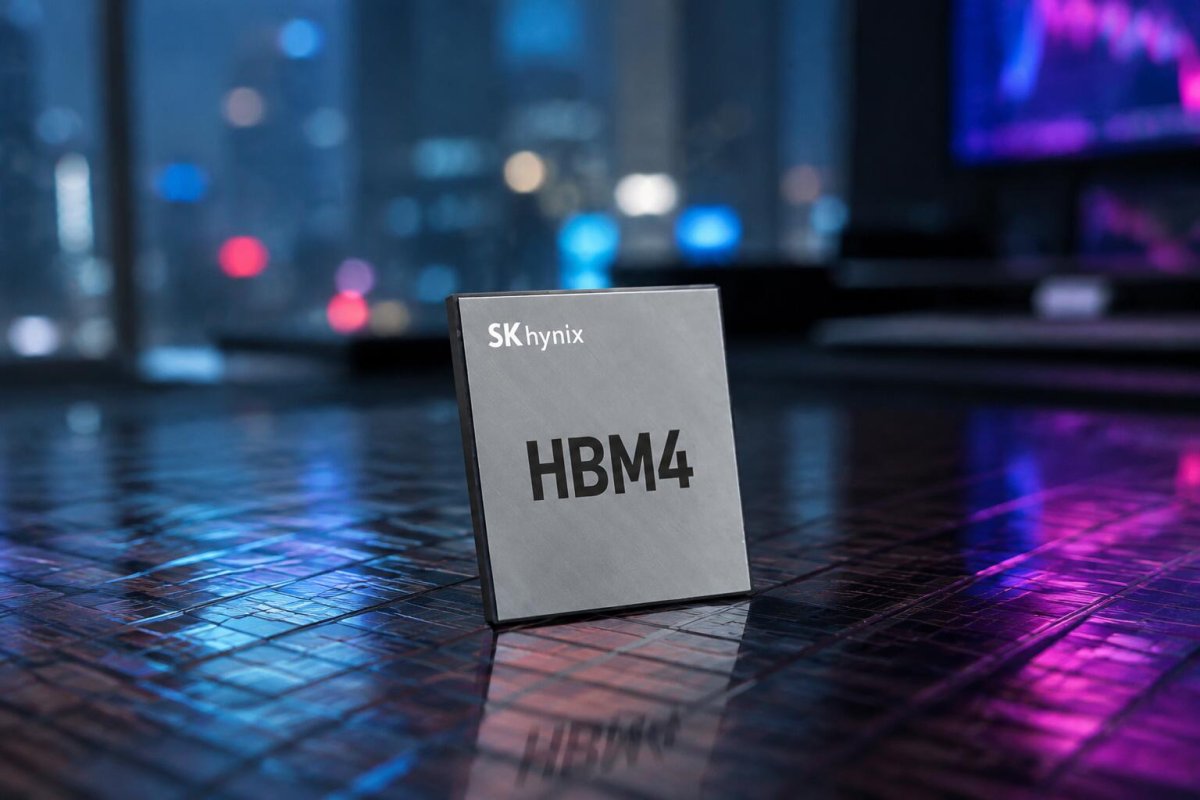
Operationally, SK hynix continues to excel. Preliminary second-quarter revenue surged 257% to 79.32 trillion won, with operating profit reaching 60.54 trillion won, a 76% margin. The company has begun mass shipments of HBM4 memory chips and plans to ramp up in the second half. Rivals Micron Technology (NASDAQ: MU) and Samsung Electronics remain key competitors.
Analysts remain bullish, with 14 out of 14 rating SK hynix as Strong Buy, according to S&P Global data. The average price target of $247.31 implies 40% upside from Friday's close. However, these targets may not fully account for the ADS premium issue. Needham's Quinn Bolton raised his target to $220 on August 24, suggesting 24% upside, while the low consensus target of $152 sits 14% below the current price.
Investors face a critical decision: owning SK hynix is one question, but paying $177 for a claim worth $121.51 in Seoul is another. The premium could compress if new ADSs are issued or if currency movements shift. As the market digests the Solidigm review and the buyback progress, the valuation gap remains a key watchpoint.