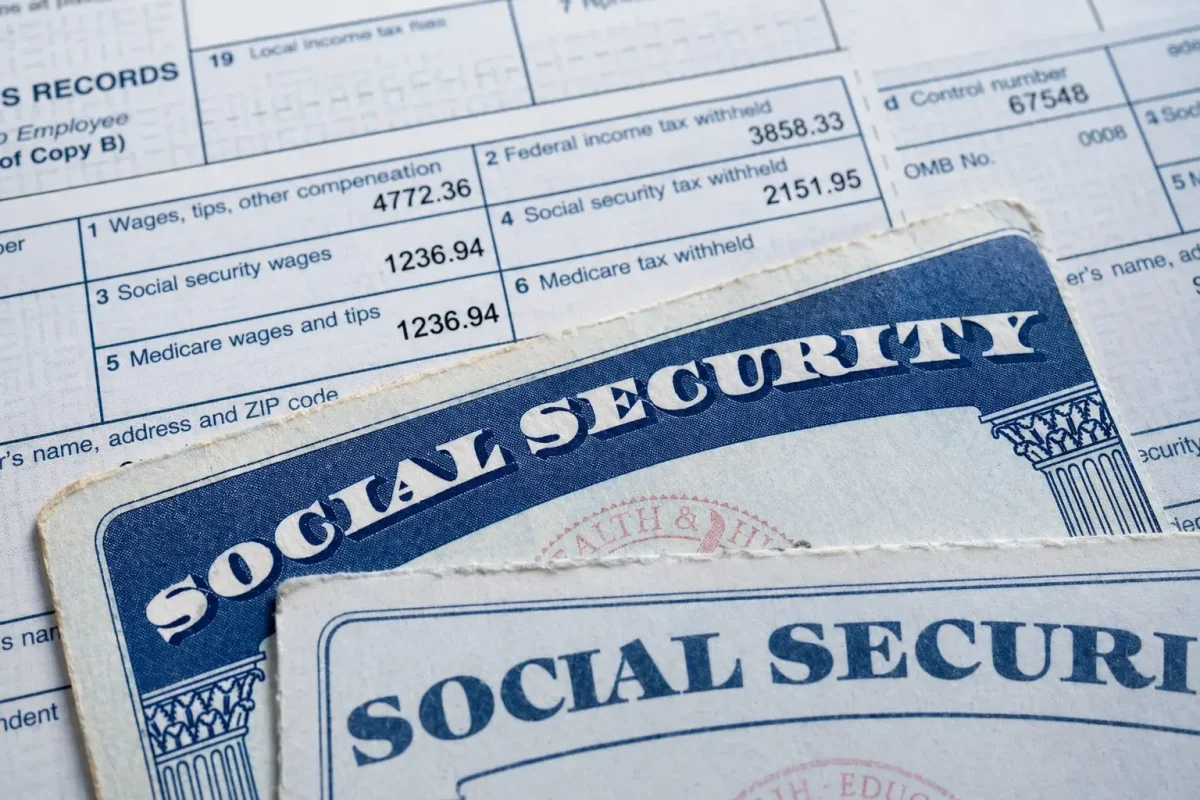
Retirees may receive a larger cost-of-living adjustment (COLA) in 2027 than initially expected, as fresh inflation data pushes the projected increase higher. The Senior Citizens League, a nonpartisan advocacy group, now forecasts a 3.8% COLA for next year, up from the 2.8% adjustment applied to 2026 benefits.
The revised estimate follows the Bureau of Labor Statistics' May inflation report, which showed the Consumer Price Index for Urban Wage Earners and Clerical Workers (CPI-W) rose 0.7% for the month and 4.4% compared to a year earlier. Broader CPI-U, a more commonly cited inflation gauge, climbed 0.5% in May and 4.2% year-over-year. Energy prices surged 23.5% annually, adding to cost pressures on fixed-income households.
Should the 3.8% projection hold, the average monthly retirement benefit would increase by approximately $77, rising from $2,026.41 to $2,103.41. While this would provide some relief, advocacy groups caution it may not fully offset the cumulative impact of inflation on essentials like housing, healthcare, and food.
Social Security's annual COLA is calculated using the average CPI-W from July, August, and September of the current year, compared to the same quarter a year earlier. The final figure is rounded to the nearest tenth of a percent and announced in October. May's data adds upward momentum, but the official COLA will depend on third-quarter readings.
Some analysts see potential for an even larger adjustment. Independent Social Security and Medicare analyst Mary Johnson projects the 2027 COLA could reach 4.7% or higher if inflation remains elevated. She noted that rising costs are placing "enormous cost pressures" on older Americans, many of whom depend heavily on their monthly checks.
A recent Senior Citizens League survey underscores that dependency: 44% of retirees—roughly 24.8 million people—now rely on Social Security as their sole source of income, up from 39% in 2025. Shannon Benton, TSCL's executive director, stated that a 3.8% increase "won't be enough" to cover basic needs for many beneficiaries.
Investors and market participants are closely watching upcoming inflation data for clues on the final COLA. The Bureau of Labor Statistics is scheduled to release June CPI figures on July 14, with the official 2027 COLA announcement expected in October after the September CPI-W report.
Beyond the immediate COLA outlook, Social Security's long-term financial health remains a concern. The program's trustees recently reported that the Old-Age and Survivors Insurance Trust Fund is projected to be depleted by the fourth quarter of 2032. At that point, incoming tax revenue would cover only 78% of promised benefits unless Congress intervenes.