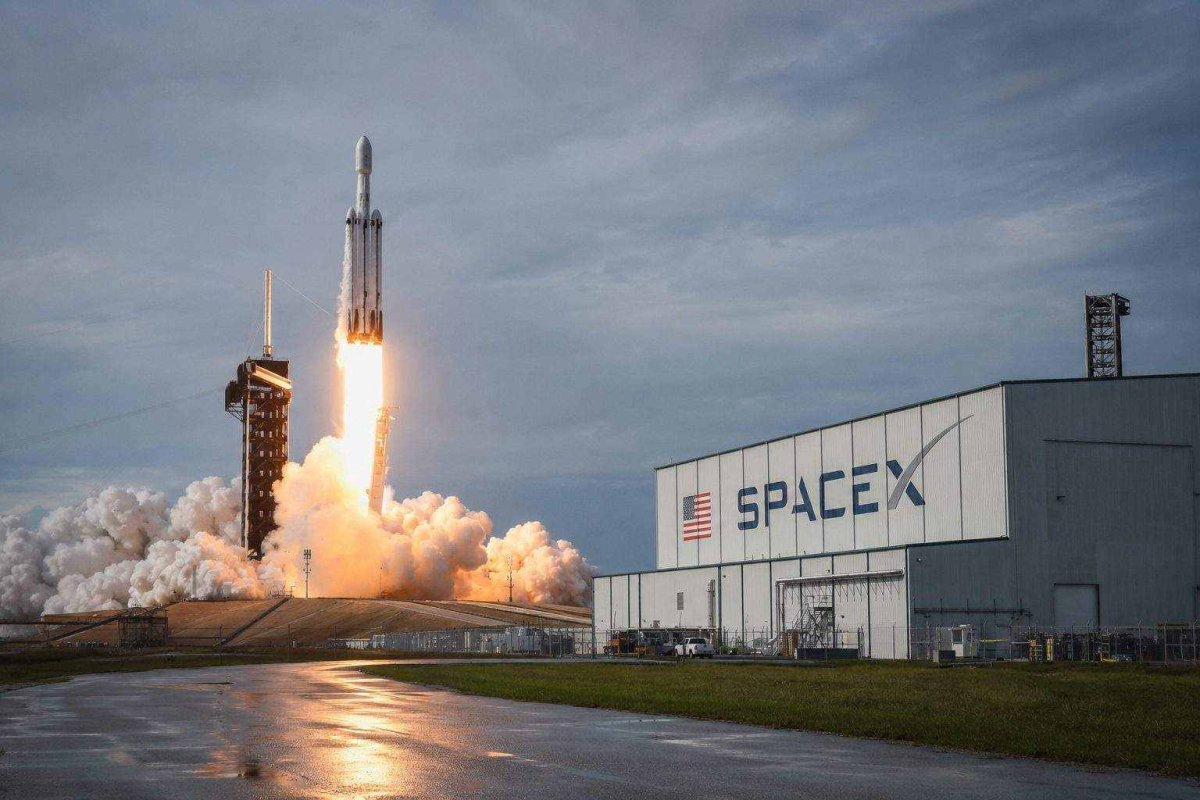
SpaceX is accelerating its highly anticipated initial public offering, targeting a Nasdaq listing as early as June 12 under the ticker SPCX, according to sources familiar with the matter. The company is seeking to raise approximately $75 billion at a valuation of around $1.75 trillion, which would make it one of the largest IPOs in U.S. history.
The aerospace and satellite communications firm plans to release its prospectus next week, with investor meetings scheduled for June 4 and pricing expected on June 11. The accelerated timeline comes as the U.S. IPO market shows signs of recovery after a volatile period, and SpaceX's debut will serve as a key test of investor appetite for high-growth, high-valuation private market giants.
SpaceX's offering is part of a broader wave of technology IPOs, with Reuters reporting that OpenAI and Anthropic are also preparing to go public. The company's business now spans rocket launches, Starlink satellite internet, and Elon Musk's xAI artificial intelligence venture, giving it a diversified revenue base but also significant execution risks.
According to Reuters, the company's registration statement includes provisions for supervoting shares, mandatory arbitration, and strict limits on shareholder proposals. These governance structures would give Musk and other insiders extensive control over the company, potentially limiting shareholder influence. Bruce Herbert, CEO of Newground Social Investment, told Reuters that the structure 'closes the voting door, the courthouse door and the proposal door.' Ann Lipton, a law professor at the University of Colorado, noted that managers could still find it 'very difficult not to buy' if SpaceX becomes large enough to be unavoidable for institutional investors.
Bloomberg reported that Brookfield has already built a $2 billion position in SpaceX ahead of the expected debut, signaling strong institutional interest. The firm has also filed confidentially for the IPO, which could come as soon as June.
The timing is critical. The U.S. IPO market has only recently reopened after a period of volatility, and SpaceX's massive raise would dwarf previous large IPOs such as Alibaba, Visa, and Meta Platforms, though those companies had stronger profit histories at the time of their debuts. Jay Ritter, a University of Florida professor who tracks IPOs, told Reuters that when the number is that big, 'lots of things have to go right.' Revenue must climb quickly while costs are contained, a trade-off that investors are being asked to accept.
Nasdaq stands to benefit from the listing. The exchange's new 'fast entry' rules, effective May 1, allow certain large new listings to join the Nasdaq-100 after just 15 trading days, potentially bringing index fund inflows sooner than previously possible.
Prediction markets are already pricing in a high probability of a near-term IPO. On Kalshi, odds reached 96% that SpaceX would announce a public offering before July 1. Polymarket gave a 90.5% market-implied probability for a June IPO, with the contract paying out only after public trading begins, not just an announcement.
Governance remains a sharp focus. The IPO registration statement includes supervoting shares, mandatory arbitration, and stricter rules on shareholder proposals, handing Musk and insiders wide control and limiting how investors can push back against management. Investors are still waiting for the public prospectus, which is expected to detail financials, risk factors, ownership structure, and insider sale plans.
The risks are clear. A delayed filing, weak market conditions, tougher SEC questions, or any pushback on valuation could shift the IPO window. Governance issues may carry more weight once investors review the full document. SpaceX's IPO is shifting from speculation to a near-term event, and the next crucial step is whether the prospectus aligns with the numbers investors are already factoring in.
