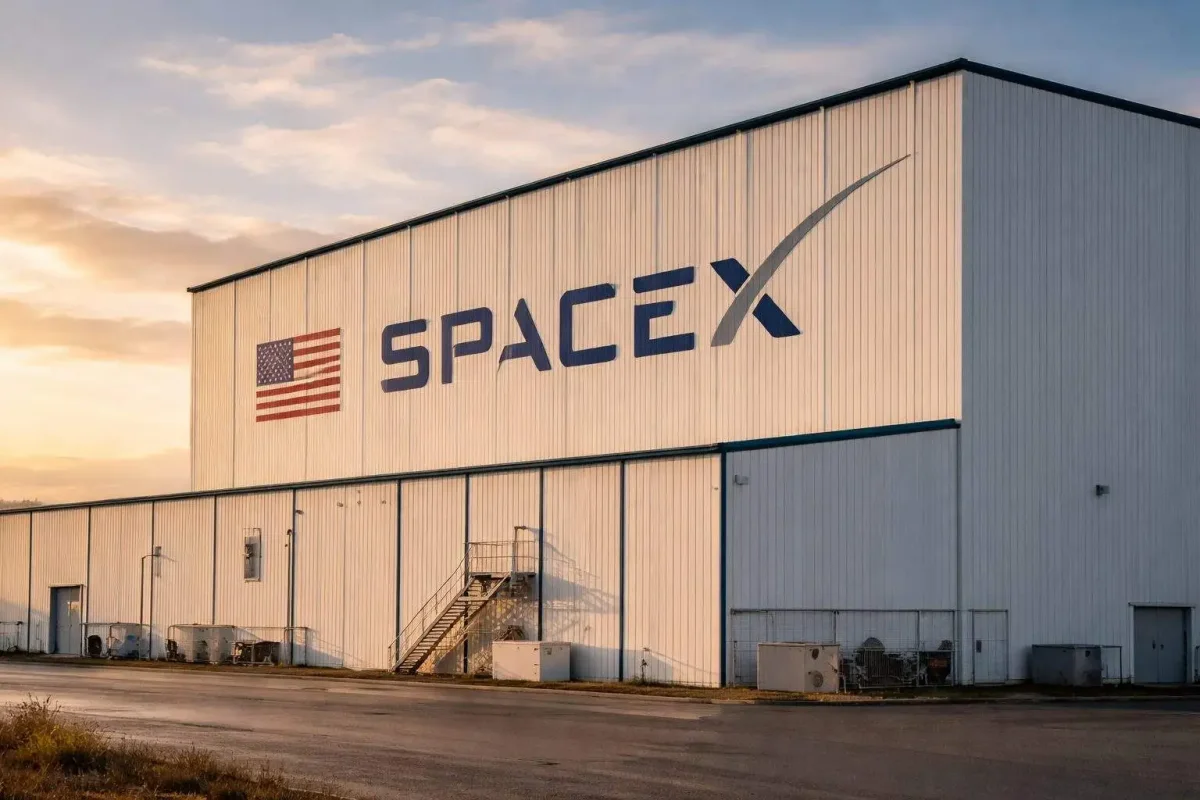
SpaceX (NASDAQ:SPCX) is set for a major index event this Friday as the Russell index rebalance approaches, with potential buying from index-tracking funds estimated at $2.68 billion. This demand could absorb about 21% of the current short interest, which Ortex reports at 83 million shares, representing roughly 13% of the free float. The stock closed Wednesday at $154.54, down 1%, but still 14.5% above its $135 IPO price.
Russell Rebalance Dynamics
Jefferies Financial Group (NYSE:JEF) estimates that funds tracking Russell indexes may purchase approximately 17.3 million shares at Wednesday's closing price. This buying represents about 2.7% of the free float but only 6.4% of average daily volume, suggesting limited market impact. Ortex co-founder Peter Hillerberg noted that short interest in SpaceX is building remarkably fast for a stock that has only been public a few weeks. S3 Partners provided a lower estimate, placing short interest between 5% and 7%.
Bond Sale and Financial Pressures
SpaceX is finalizing its inaugural $25 billion bond offering, with settlement scheduled for Friday. The five tranches carry coupons ranging from 5.35% to 6.65%, resulting in $1.464 billion in annual interest payments, equivalent to a weighted average coupon of 5.855%. The deal attracted nearly $85 billion in orders, about 3.4 times oversubscribed, but credit spreads remained elevated: the 2036 notes priced at 140 basis points over U.S. Treasuries, roughly 40 basis points above the average for similarly rated BBB debt.
The company reported $100.8 billion in cash during the bond marketing, with 2025 revenue of $18.67 billion, up 33% year-over-year, though it still posted a net loss. The annual bond coupon payments represent 7.8% of last year's revenue. Adam Sarhan, CEO of 50 Park Investments, noted that issuing bonds allows existing shareholders to maintain economic ownership without diluting equity through new share issuance.
Market Context and Outlook
SpaceX shares have fallen 31.5% from their post-IPO peak, adding pressure on supply as the Russell rebalance approaches. The broader market saw declines on Wednesday, with the Nasdaq and S&P 500 dropping as tech stocks and companies tied to AI debt spending faced headwinds. Michael Monaghan, portfolio manager at Founder ETFs, observed that investors favor companies benefiting from AI spending while punishing those doing the spending, a dynamic that SpaceX's hefty coupon bill highlights.
SpaceX is scheduled to join the Nasdaq-100 in early July, but the immediate focus is on Friday's closing auction for Russell-linked funds. Interactive Brokers (NASDAQ:IBKR) chief strategist Steve Sosnick noted that options activity has become more balanced, moving away from the initial euphoria seen on the first day of trading.
The inclusion rule change by FTSE Russell in May allows qualifying large IPOs to be added to its U.S. indexes just five days after trading begins. Vanguard indicated that when SpaceX enters, the opening fund weight will be 1% or less, but that weight could increase as more insider shares become available.