Space Exploration Technologies Corp. (NASDAQ:SPCX) faces a pivotal week as the stock heads into Monday trading following a mixed performance from its latest Starship test. While Flight 13 successfully deployed 20 upgraded V3 satellites and demonstrated improved reentry capabilities, the booster stage experienced engine issues that prevented a full recovery. The stock closed the after-hours session at $113.37, down 1.5%, shortly after the test concluded.
SpaceX shares ended the regular trading week at $115.07, a decline of 2.7% on Friday and 7.2% over the five-day period. The stock now trades 14.8% below its initial public offering price and remains 49% below its intraday high reached in June. The broader space sector also saw declines, with Rocket Lab (NASDAQ:RKLB) falling 8.7% on the week and AST SpaceMobile (NASDAQ:ASTS) dropping 2.8%.
Starship Flight 13: Progress and Setbacks
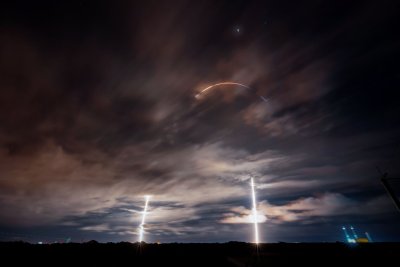
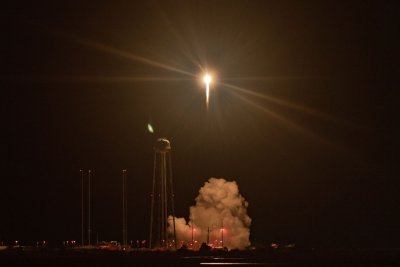
Flight 13, which lifted off at approximately 6:50 p.m. EDT on Friday, marked a significant step forward for SpaceX's Starship program. The upper stage successfully deployed 20 V3 Starlink satellites into a suborbital trajectory, and the satellites briefly connected with SpaceX's constellation of nearly 10,000 orbiting units. The upper stage also demonstrated improved heat shield performance, with minimal visible damage during atmospheric reentry before executing a controlled landing in the Indian Ocean. This achievement brings SpaceX closer to routine reusability of the Starship upper stage.
However, the booster stage fell short of expectations. Five of its engines failed to relight during descent, causing the Super Heavy booster to hit the ground at excessive speed. SpaceX spokesperson Dan Huot acknowledged the issue, stating it came back “with quite a bit of velocity still.” The incomplete booster recovery tempered investor enthusiasm, as full reusability remains a key milestone for the program.
Lockup Expiry Looms Large
The primary concern for traders is the impending expiry of a lockup agreement on August 6, which will make up to 911.5 million restricted shares eligible for sale. This figure represents 1.41 times the current public float of 646 million shares as of Friday. While eligibility does not guarantee selling, the potential supply overhang is substantial. Ortex Technologies estimates that approximately 360 million shares were out on loan as of Tuesday, representing about 56% of the free float, highlighting the significant short interest in the stock.
Short sellers have maintained their positions despite the stock's decline, with unrealized gains reaching $15.5 billion as of Tuesday. Ortex co-founder Peter Hillerberg noted, “There is no sign of short sellers taking profits on SpaceX. If anything they are leaning in harder.” This persistent short interest could fuel a sharp rally on positive news, but the upcoming share unlock poses a countervailing risk.
Financial and Operational Outlook
SpaceX's financial strategy extends beyond launch operations. The company has indicated that funds from its IPO would support investments in AI computing, new launch infrastructure, and expansion of its satellite network. Delivery of Starship is thus critical to multiple aspects of the capital strategy. The next major catalyst is the second-quarter earnings report, scheduled for release after market close on August 4, with a webcast at 4:30 p.m. EDT. The initial tranche of restricted shares may become available two trading days thereafter.
Prior to earnings, investors will have additional operational data points. SpaceX plans a Starlink launch from California on July 28, followed by the NROL-95 national security mission from Florida on July 30. Both schedules remain subject to change. The company also aims to launch functional V3 satellites before year-end, a key benchmark for the Starship program.
Market Implications and Risks
The immediate focus for Monday is whether the smoother Starship launch can lift shares above Friday's close of $115.07. If the stock fails to hold this level, the supply overhang from the lockup expiry is likely to dominate sentiment. Risks are balanced: additional Starship delays, disappointing Starlink subscriber figures, or insider share sales could exacerbate losses. Conversely, the heavy short interest could trigger a significant bounce if positive news emerges. The next official short interest assessment is due August 4, coinciding with the earnings report.
As SpaceX navigates this critical juncture, the interplay between operational progress, financial catalysts, and market positioning will determine the stock's trajectory in the weeks ahead.