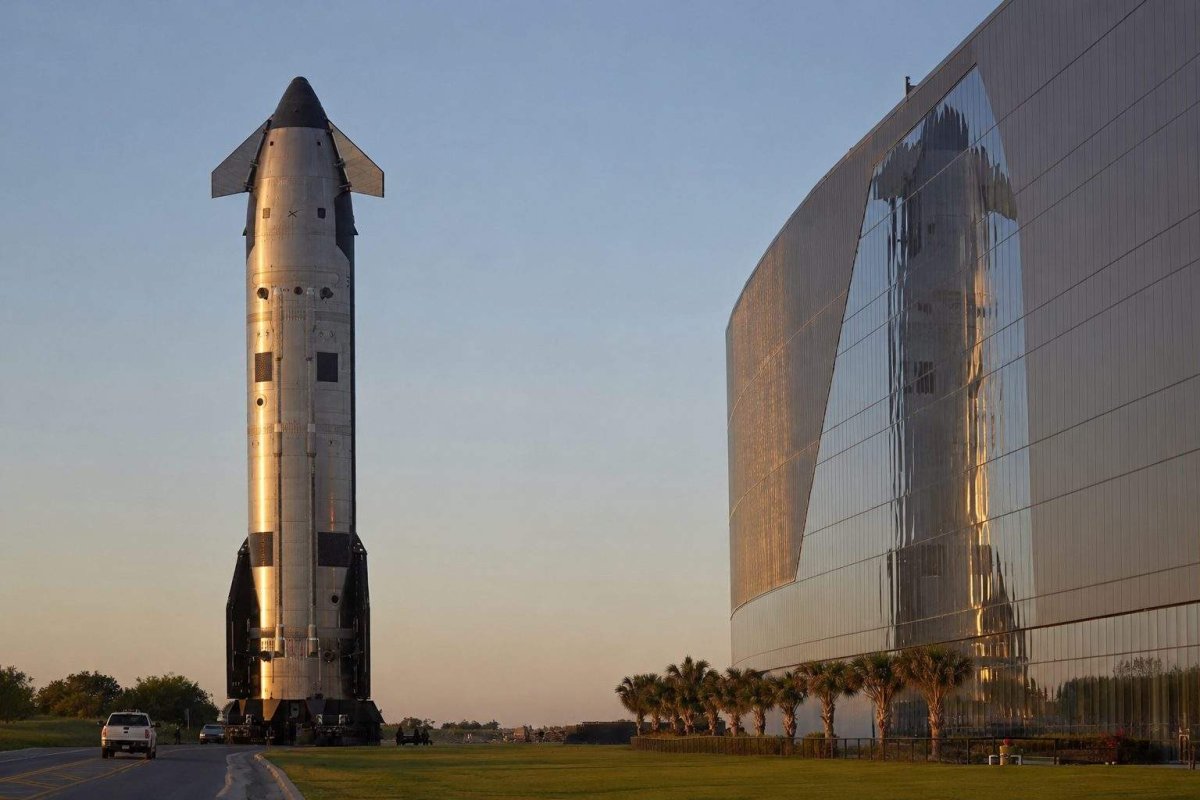
SpaceX is set to launch the first Version 3 Starship from its Starbase facility in South Texas on Thursday, marking a critical step in the company's push toward routine satellite launches, lunar missions, and eventual full reusability. The 90-minute launch window opens at 5:30 p.m. local time (CDT), with the suborbital flight designated as Flight 12, the first Starship test of 2026 and the 12th overall since the integrated vehicle began flying in 2023.
Technical Details and Payload
The 407-foot rocket combines the Super Heavy booster Booster 19 with the upper-stage spacecraft Ship 39. According to Spaceflight Now, the booster is expected to perform a landing burn and splash down in the Gulf of Mexico about seven minutes after launch, while Ship 39 will target a controlled splashdown in the Indian Ocean after a flight lasting just over an hour. Unlike previous tests, SpaceX will not attempt to catch either stage at Starbase, treating the new design as a shakedown vehicle.
The upper stage will deploy 20 Starlink simulator satellites and two modified Starlink satellites. SpaceX has stated that the modified spacecraft will inspect Starship's heat shield and send imagery to operators, a check tied to future plans for returning the vehicle to its launch site. The flight plan also includes a relight of one Raptor engine while Ship 39 coasts in space, a crucial test for orbital missions that require engine restarts to steer back toward Earth.
Market and Investor Implications
Version 3 is the Starship variant SpaceX is counting on for heavier payloads, in-space refueling, and NASA's Artemis lunar work. The rocket is designed to carry 100 metric tons or more to orbit, far exceeding the lift capacity of the workhorse Falcon 9. This capability is central to SpaceX's plan to deploy larger next-generation Starlink satellites and lower launch costs through full reuse. Investors are closely watching the vehicle ahead of an expected SpaceX initial public offering next month. PitchBook senior research analyst Franco Granda called the launch the "single most important pre-IPO catalyst" left on SpaceX's calendar, as reported by Reuters.
NASA's Stake and Competitive Landscape
NASA is monitoring the flight closely ahead of its Artemis lunar missions. The agency's Artemis III, planned for 2027, will test docking between Orion and one or both commercial lunar landers from SpaceX and Blue Origin. Artemis IV is intended to support the next U.S. astronaut landing on the Moon. Jeremy Parsons, a senior NASA Moon-to-Mars official, described Artemis III as "an important stepping stone" toward that landing. Blue Origin's Blue Moon lander is also in the competitive frame, as NASA seeks to avoid relying on a single lunar-lander provider.
Risks and Test Record
The risk is straightforward: this is a substantially redesigned rocket, and SpaceX has chosen an offshore landing profile rather than a return-to-pad catch. A delay, a failed engine relight, or heat-shield trouble would not end the program, but it could slow the move toward orbital flights and add pressure to NASA's already tight lunar schedule. SpaceX's test record has improved after early explosive failures. According to Space.com, the previous two Starship flights, Flights 10 and 11, met their main goals, including booster splashdowns and upper-stage payload deployments, giving Thursday's flight a higher baseline but not a simple one.