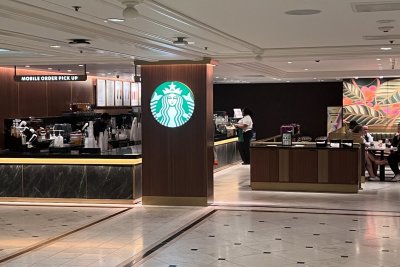
Starbucks Corporation (SBUX) saw its shares climb approximately 10% to $107.03 on Wednesday, following the release of stronger-than-expected second-quarter results and an upgraded full-year outlook. The gains mark the most convincing evidence yet that CEO Brian Niccol's revival plan is taking hold, with customers returning to stores in greater numbers.
For the 13 weeks ended March 29, global comparable store sales increased 6.2%, driven by a 3.8% rise in transactions and a 2.3% increase in average ticket size. Net revenue reached $9.5 billion, up 9% from the prior year, while adjusted earnings came in at $0.50 per share. Analysts surveyed by LSEG had anticipated a 3.7% same-store sales gain and adjusted earnings of $0.43 per share.
Raised Outlook and Strategic Shift
Buoyed by the quarterly performance, Starbucks lifted its fiscal 2026 guidance. The company now expects global and U.S. comparable store sales to grow at least 5%, up from its previous forecast of at least 3%. The upward revision underscores management's confidence in Niccol's "Back to Starbucks" strategy, which focuses on improving service speed, reducing wait times, increasing staffing, and simplifying the menu.
"Our second quarter marked the turn in our turnaround," Niccol said in the earnings release. Chief Financial Officer Cathy Smith added that the company had deliberately prioritized sales recovery over immediate profit gains, but noted that tighter cost controls were beginning to lift margins.
North America Drives Recovery
The recovery was led by North America, where comparable sales rose 7.1%, powered by a 4.4% increase in transactions. U.S. comparable sales matched that 7.1% gain. However, the North American operating margin slipped to 9.9% from 11.6% a year earlier, reflecting higher labor spending, product mix changes, tariffs, and increased coffee costs. Management expects some relief from these cost pressures later in the fiscal year.
Niccol highlighted that Starbucks continues to attract customers across income brackets, positioning the brand as a "little touch of luxury" despite broader consumer concerns about rising costs. He acknowledged the company still has work to do to convince customers it remains "worth it."
Operational Improvements and Competition
Central to the turnaround is faster service. Approximately 80% of stores are now meeting Starbucks' internal 4-4-12 benchmarks: four minutes for in-cafe orders, four minutes for drive-through, and mobile orders completed in under 12 minutes, according to Reuters.
Competition remains intense, particularly from McDonald's, which has expanded into refreshers and handcrafted sodas. Niccol, however, suggested that increased activity in the space could ultimately benefit Starbucks as the market leader.
China Challenges and Joint Venture
In China, comparable sales edged up just 0.5% during the quarter, as a slight increase in transactions was offset by a decline in average ticket size. Starbucks finalized its joint venture with Boyu Capital in April, with Boyu taking a 60% stake in Starbucks China retail operations. Starbucks retains a 40% stake and maintains control over the brand and intellectual property.
Wall Street Reaction
Analysts responded positively to the results. At least five brokerages raised their price targets following the earnings release. Stifel and Morningstar analysts noted strong demand across income brackets and age groups, signaling broad-based consumer engagement.
While the quarterly results provided a clear validation of Niccol's strategy, the company now faces the challenge of sustaining momentum and demonstrating that increased investments in labor and stores will translate into sustained returns for shareholders.