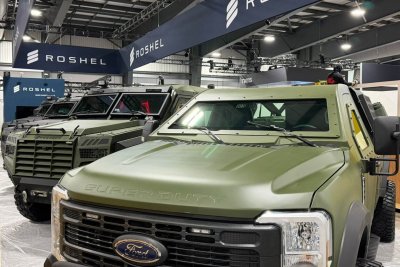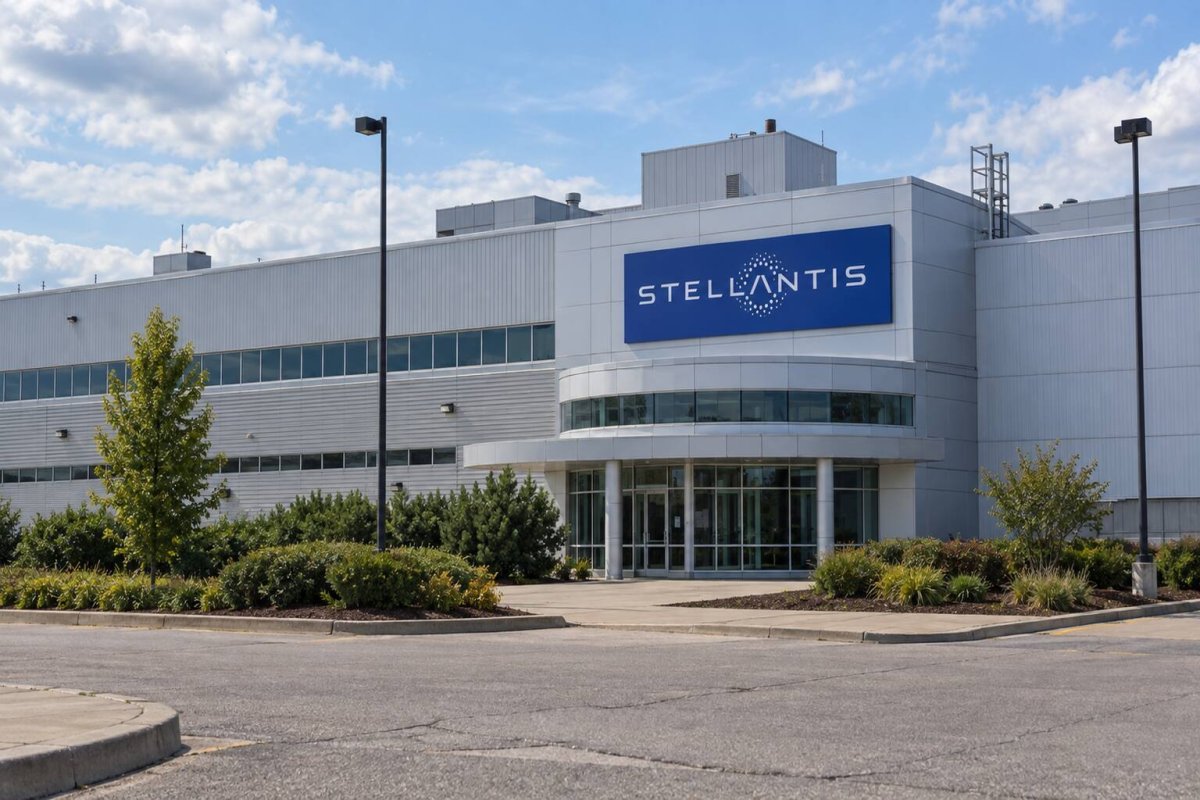
Stellantis (STLA) has taken a tentative step toward divesting its idle Brampton Assembly plant in Ontario, Canada, by signing a memorandum of understanding (MOU) with Roshel, a private Canadian manufacturer of armored vehicles. However, the agreement, announced on September 11, is far from a done deal, and several significant hurdles remain before a transaction can be finalized.
The MOU outlines a potential path for Roshel to acquire the facility and convert it into a defense-manufacturing hub. Yet, investors should note that this is not a binding purchase agreement. Neither company has disclosed a purchase price, financing details, or a target closing date. Roshel is privately held, so there is no publicly traded buyer whose valuation would reflect the proposed conversion.
Stellantis shares traded at $5.02 on September 16, down 1.8% from the previous close, according to Yahoo Finance intraday data. The stock movement cannot be directly attributed to the Brampton MOU, which was announced five days earlier. The company has not provided any transaction economics for shareholders to model, leaving the financial impact unclear.
Brampton's Uncertain Future
The Brampton plant ceased vehicle production in December 2023 to prepare for a planned retooling. Over 2,200 Unifor members remain on indefinite layoff, according to the union's August 14 update. Stellantis later canceled the planned Jeep Compass program for the site, leaving its future in limbo.
Roshel presents a different industrial approach: repurposing the large assembly footprint for defense manufacturing rather than waiting for another Stellantis vehicle allocation. The company says it aims to establish a Canadian defense-manufacturing center at Brampton. While this could shorten the plant's idle period, an available factory does not guarantee immediate production. Roshel still needs firm orders, financing, and a conversion plan that fits the property's specifications.
Four Key Hurdles
Before the MOU can become a reality, four critical gates must be cleared:
- Definitive Agreement: The MOU must be converted into a signed purchase agreement with a price, assumed liabilities, closing conditions, and a funding plan. Until then, Stellantis has no disclosed cash proceeds to recognize.
- Labor Resolution: Unifor paused formal contract talks after Stellantis maintained its proposal to close and sell Brampton. The current agreement expires September 20 at 11:59 p.m., and the union says it will not accept a tentative settlement without a suitable outcome for Brampton workers. Unifor also asserts that the existing agreement requires at least one year's notice of a closure or sale.
- Land-Use Approval: Brampton City Council moved in February to protect the 2000 Williams Parkway site for automotive assembly and related manufacturing. A defense-vehicle conversion may be compatible, but the city's planning protections mean the proposed use cannot be treated as a simple change.
- Commercial Demand: Roshel must match the plant's scale with funded customer programs. First consideration for former workers would not determine how many people return, when production begins, or whether the operation approaches its previous automotive employment levels.
Why Brampton Isn't an Earnings Catalyst Yet
The plant is strategically and politically significant, but Stellantis is much larger than this single asset. The company reported €43.5 billion in second-quarter revenue, €773 million in adjusted operating income, and €1.0 billion in industrial free cash flow on July 30. Its adjusted operating margin was only 1.8%, leaving investors sensitive to restructuring cash costs and execution even as North American sales improved.
A completed sale could remove an idle asset from management's agenda and limit further carrying costs. Conversely, selling also closes off future vehicle-production flexibility in Canada, and labor obligations or conversion support could reduce net proceeds. With no price or liability allocation, any conclusion is premature.
The next hard checkpoint is the September 20 labor deadline. After that, investors need three documents rather than another statement of intent: a definitive sale agreement, a municipal path for the defense use, and evidence that Roshel has funded programs large enough to justify restarting a plant that once supported thousands of auto jobs.