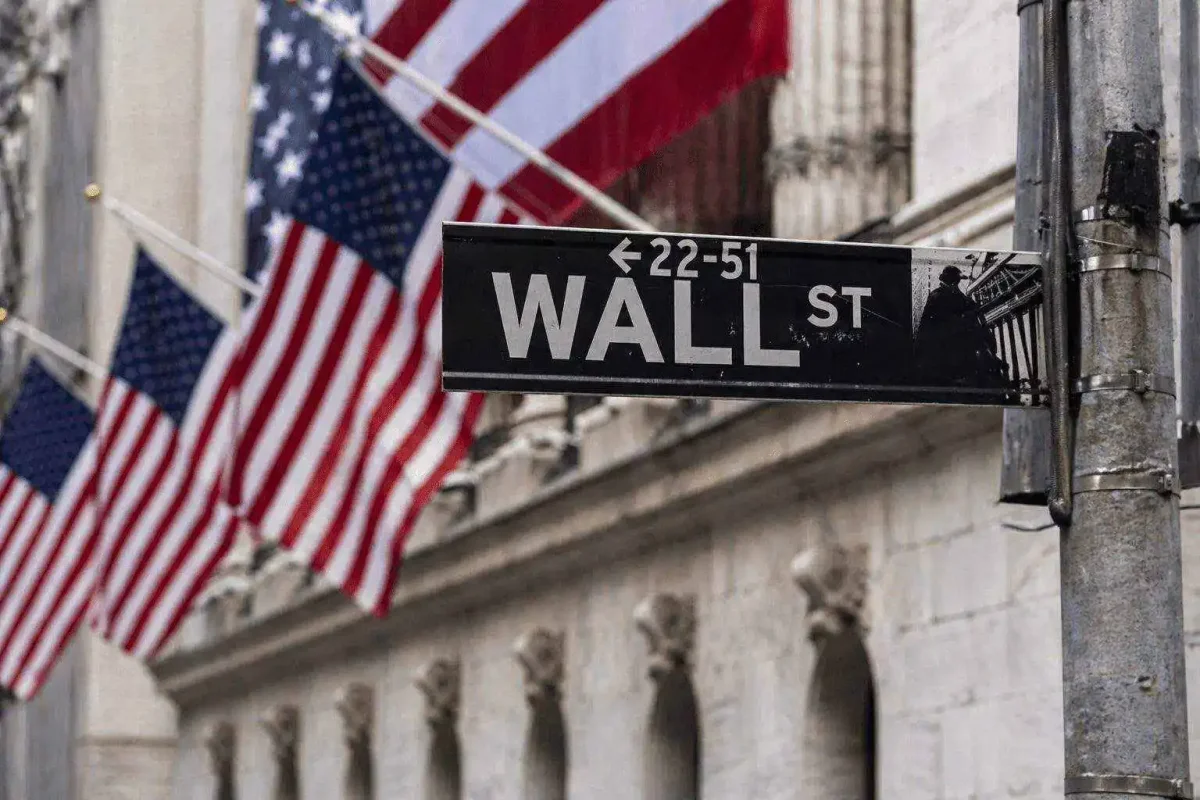
Wall Street gave back some of its recent gains Tuesday after a hotter-than-expected inflation report and a sharp rise in oil prices reignited concerns about the Federal Reserve's ability to cut interest rates anytime soon. The S&P 500 slipped 11.88 points, or 0.16%, to 7,400.96, while the Nasdaq Composite dropped 185.92 points, or 0.71%, to 26,088.20. The Dow Jones Industrial Average bucked the trend, edging up 56.09 points to 49,760.56, supported by gains in healthcare stocks.
The April Consumer Price Index (CPI) showed consumer prices rose 0.6% month-over-month and 3.8% year-over-year, according to the Bureau of Labor Statistics. Core CPI, which excludes volatile food and energy prices, increased 0.4% for the month. The data came in above expectations, pushing the 10-year Treasury yield to 4.46% by 4 p.m. ET and weighing heavily on growth-oriented stocks.
Oil Prices Surge, Adding to Inflationary Pressure
Energy markets added to the bearish tone as Brent crude settled at $107.77 a barrel, up 3.4%, while West Texas Intermediate rose 2.8% to $102.30. The rally was driven by ongoing supply concerns tied to the Iran conflict, further stoking inflation fears. Higher oil prices ripple through the economy, lifting costs for transportation, utilities, and food, which in turn pressures corporate margins and consumer spending.
“Inflation is not getting any better unless oil prices go down,” said Jay Hatfield, CEO and portfolio manager at InfraCap. He warned that even a strong earnings season could be overshadowed if macro risks continue to escalate.
Tech and Chip Stocks Take the Brunt
The technology sector bore the brunt of the selloff, with the Philadelphia Semiconductor Index falling 3%. Qualcomm tumbled 11%, Intel dropped 6.8%, and Micron lost 3.6%. Nvidia managed a slight gain of 0.6%, reaching an intraday high, but the broader AI trade showed signs of fatigue. Analysts noted that lofty valuations in chip stocks made them particularly vulnerable to a shift in rate expectations.
“The AI rally isn’t lifting all boats anymore,” one market observer noted. While Nvidia remains a key beneficiary of AI compute demand, other chipmakers like Intel and Micron, which had recently hit new highs, saw sharp reversals.
Fed Rate Cut Bets Fade
The inflation data prompted a swift repricing of Fed policy expectations. On prediction market Polymarket, traders assigned a 98% probability that the Fed will hold rates steady at its June 17 meeting, with only 2% betting on a 25-basis-point cut. For the remainder of 2026, the market showed 63% odds of zero rate cuts, versus 18% for a single cut. Kalshi’s Fed markets echoed this sentiment, with 61% of contracts pointing to exactly zero cuts this year.
“Sticky inflation keeps the Fed from moving on rate cuts, and pricier borrowing takes the biggest toll on growth stocks,” said James McCann, senior economist at Edward Jones.
Earnings Season Still Strong, But Caution Grows
Despite the market’s downturn, first-quarter earnings have largely exceeded expectations. Of the 440 S&P 500 companies that had reported, 83% topped earnings forecasts, according to Reuters. AI-related capital expenditures are translating into actual revenue, supporting the bullish narrative. However, the combination of persistent energy inflation and a patient Fed is narrowing the market’s margin for error.
“Households continue to feel the brunt of surging energy costs,” McCann added. Peter Cardillo of Spartan Capital flagged the risk that pricier energy could drive inflation higher across the board, squeezing both consumers and corporate profits.
Individual Stock Movers
In after-hours trading, Humana climbed 7.7% after Bernstein raised its price target, providing a boost to the Dow. Zebra Technologies surged 11.4% after lifting its full-year sales growth outlook. On the downside, GameStop slipped 3.5% after eBay rejected its $56 billion offer. Hims & Hers tumbled following a surprise loss, and Under Armour struggled on weak guidance.
The overall market action suggests a selective pullback rather than a broad risk-off move. Defensive sectors like healthcare and consumer staples found buyers, while appetite for high-priced AI names cooled. With oil prices elevated, inflation sticky, and the Fed on hold, investors are becoming increasingly cautious.