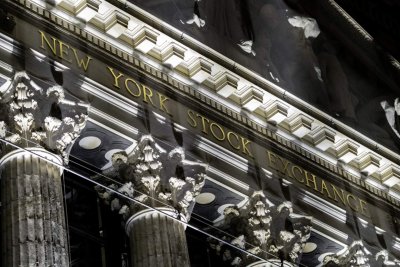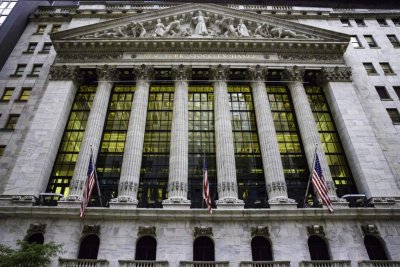
U.S. stock futures turned lower during the second hour of premarket trading on Monday, as escalating tensions in the Gulf region pushed crude oil prices higher and weighed on technology shares. The Nasdaq-100 futures reversed earlier gains, slipping 0.13% by 06:00 EDT, while S&P 500 futures fell 0.17% and Dow Jones Industrial Average futures edged down 0.18%.
At the 06:00 snapshot, S&P 500 futures stood at 7,708.50, Dow futures at 53,489, and Nasdaq-100 futures at 29,454.50. The tech-heavy index had been up 0.07% just an hour earlier, marking a notable reversal as investors reassessed the impact of rising oil prices on inflation and growth.
Oil Prices Surge on Geopolitical Risk
Brent crude, the international benchmark, climbed to approximately $90.86 per barrel, up from $90.40 at 05:00 EDT, representing a gain of more than 3% above the previous settlement. West Texas Intermediate (WTI) held steady near $85.54, showing a modest uptick of 0.04% over the same period.
The rally in crude was attributed to fresh U.S.-Iran strikes, which raised concerns about the security of shipping routes in the Strait of Hormuz, a critical chokepoint for global oil supplies. The geopolitical premium embedded in oil prices has become a key driver for energy markets and a potential source of inflationary pressure for the broader economy.
Energy Stocks Lead Premarket Gains
In premarket trading, oil producers and service companies emerged as the top gainers, reflecting the surge in crude prices. Halliburton (HAL) led the advance, jumping 2.27%, followed by Valero Energy (VLO) with a 2.17% gain. Occidental Petroleum (OXY) rose 1.79%, while integrated majors Chevron (CVX) and Exxon Mobil (XOM) gained 1.58% and 1.30%, respectively.
The divergence between energy and technology stocks highlighted a focused inflation trade, where investors rotated into sectors that benefit from higher oil prices while shunning longer-duration assets like tech that are more sensitive to interest rate expectations. As of 06:00 EDT, the Nasdaq-100 had slipped 0.19% over the last hour, while the S&P 500 and Dow futures only fell 0.02% and 0.03%, respectively.
Market Implications and Risks
The rise in oil prices could exacerbate inflationary pressures, potentially influencing the Federal Reserve's monetary policy stance. Higher energy costs may also squeeze consumer spending and corporate margins, adding headwinds to economic growth. Analysts noted that the current oil price levels are more than 3% above the prior settlement, signaling a significant shift in market sentiment.
Premarket breadth and consolidated volume data were not yet available at the time of the snapshot, and trading conditions remained fragmented due to thin liquidity typical of early hours. Investors were advised to monitor military news updates, as any escalation could trigger rapid reversals in both crude and equity futures.
With the cash market set to open at 09:30 EDT, the key question is whether the Nasdaq's decline will broaden. Additional gains in Brent or Treasury yields would place further strain on rate-sensitive industries, potentially leading to a more pronounced selloff.
As the trading day progresses, market participants will closely watch energy prices and geopolitical developments for cues on the sustainability of the current risk-off sentiment.