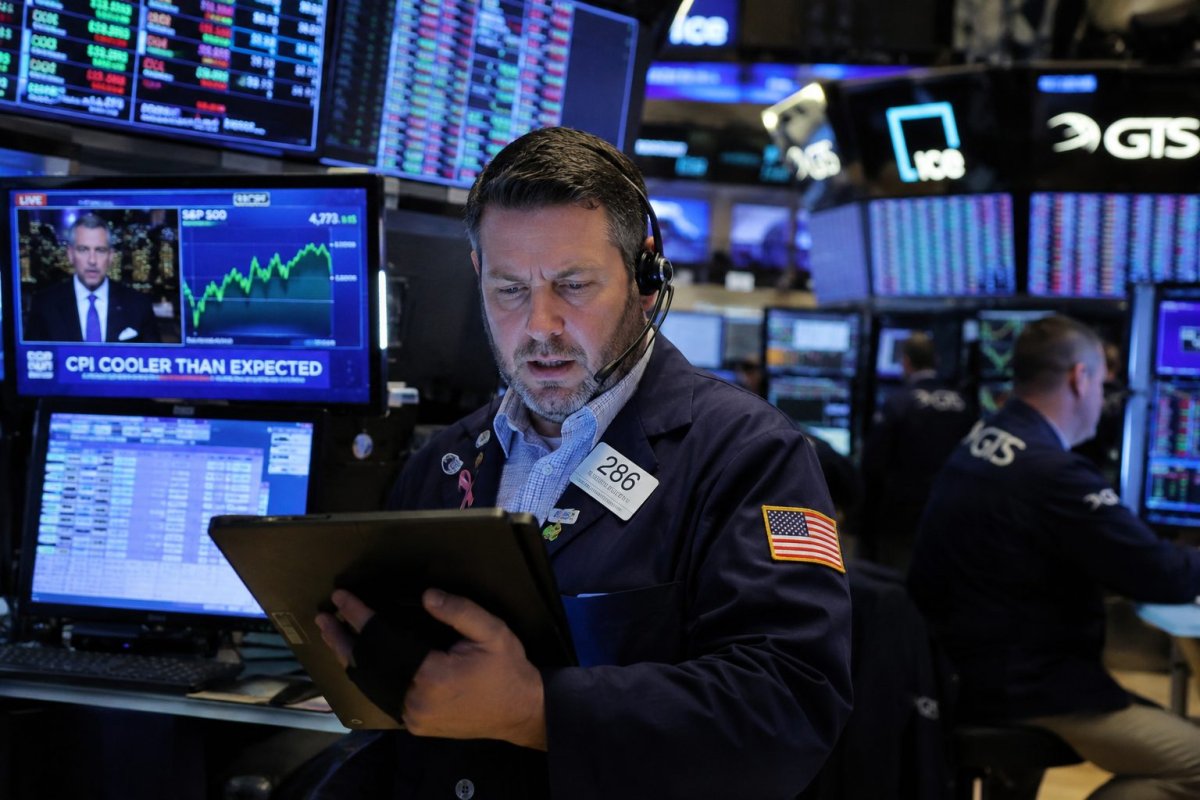
U.S. stock futures staged a mixed recovery early Wednesday, with technology shares leading the charge as renewed interest in artificial intelligence helped markets shake off a disappointing inflation report. Nasdaq 100 futures climbed 255.75 points, or 0.9%, to 29,425.75 as of 4:15 a.m. EDT, while S&P 500 futures added 25.50 points. Dow futures, however, edged down 29 points, underscoring the narrow nature of the rebound.
The bounce comes less than 24 hours after the S&P 500 and Nasdaq Composite retreated from record levels following the release of April's Consumer Price Index. The headline CPI rose 3.8% from a year ago, with energy prices surging 17.9%—a stark reminder that inflation remains stubbornly elevated. Core CPI, which excludes food and energy, increased 0.4% month-over-month, keeping pressure on the Federal Reserve to maintain its restrictive stance.
Investors are not betting on any near-term easing from the central bank. According to DeFi Rate's aggregator, which tracks prediction markets including Kalshi, Polymarket, and Gemini, there is a 97.5% probability that the Fed will hold rates steady at its June meeting. Polymarket alone shows a 97.6% chance of no change, while Kalshi sits at 96.5%. Looking further ahead, Polymarket prices a 57% likelihood that the Fed will not cut rates at all in 2026.
AI Stocks Lead the Recovery
The divergence between the Nasdaq and the Dow highlights a clear preference for growth and technology stocks, particularly those tied to artificial intelligence. Nvidia continues to lead the charge, but other chip names such as Intel, Micron, and Qualcomm are also gaining. This rally is supported by strong AI-driven export data from South Korea, Japan, Singapore, and Malaysia, according to Nomura analysts, which is helping to offset the drag from higher energy costs.
However, the tech sector's vulnerability to rising interest rates was on full display Tuesday, when the Philadelphia Semiconductor Index dropped 3% despite its massive 65.4% year-to-date gain. The index's rapid ascent, fueled by AI hype, makes it particularly sensitive to any shift in rate expectations. As Treasury yields climb—the 10-year note hovered around 4.46% early Wednesday—investors demand higher earnings from richly valued tech stocks.
Oil Prices and Inflation Concerns
Oil remains a key wildcard. Brent crude eased slightly but still trades above $100 a barrel, a level that acts as a tax on consumers and businesses. Persistent energy inflation raises costs across the board—from gasoline and airfares to wages, shipping, and utilities—squeezing corporate margins and complicating the Fed's policy path. "Inflation is not getting any better unless oil prices go down," said Jay Hatfield of InfraCap, underscoring the challenge facing both policymakers and investors.
The bond market is also flashing warning signs. The 10-year Treasury yield, now near 4.46%, is approaching levels that historically spark valuation debates in the equity market. Higher yields offer investors an alternative to stocks, putting additional pressure on growth names to justify their premiums.
Earnings Season Delivers Mixed Signals
Corporate earnings continue to provide pockets of support. Zebra Technologies raised its 2026 sales growth outlook to 10%–14%, citing faster momentum in e-commerce, automation, and what it calls "Physical AI"—AI deployed in equipment like machines, scanners, and robots. The upbeat guidance helped lift sentiment in the industrial tech space.
On the other side, Hims & Hers stumbled after shifting its strategy toward branded weight-loss drugs, a move that brought higher costs and an unexpected loss. The company pivoted away from cheaper compounded GLP-1 treatments in favor of brands like Novo Nordisk's Wegovy, a dynamic that has allowed Novo Nordisk and Eli Lilly to reclaim the lucrative core of the obesity-drug market.
Looking Ahead: PPI and Market Sentiment
All eyes now turn to the Producer Price Index, due at 8:30 a.m. ET. A softer-than-expected reading could help Nasdaq futures maintain their footing, while a hotter number might reignite fears that inflation is not yet under control, potentially reversing the AI-driven optimism. For now, bulls are clinging to the narrative that earnings remain solid and that AI-driven capital expenditure is a genuine growth driver, not just hype. As Tim Urbanowicz at Innovator ETFs notes, as long as the 10-year yield holds under 4.5%, it is not a "meaningful headwind for equities."