Telesat (NASDAQ:TSAT) has revised its deployment timeline for the Lightspeed broadband constellation, pushing the global service target back by three months to the end of June 2028. The company confirmed the updated schedule during its October 29 update, which also outlined a shared rocket launch for two test satellites ahead of the main deployment wave.
Despite the global adjustment, Telesat is retaining its earlier target for high-latitude commercial operations, expected around the end of March 2028. This regional rollout will serve Canadian military and northern broadband customers, allowing them to access the network before worldwide coverage is complete.
Launch Sequence and Testing
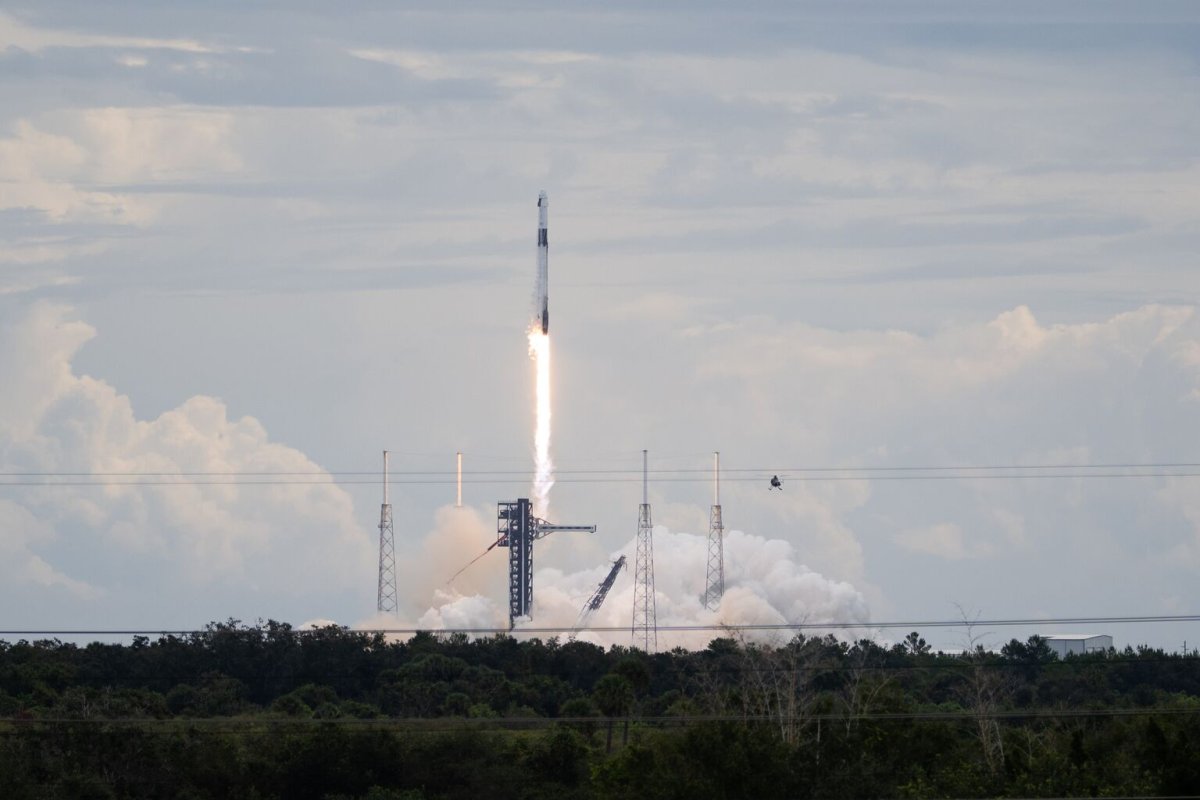
The revised plan hinges on a two-month orbital testing phase for the first two spacecraft, which will validate the network before production missions begin. These production launches are scheduled to carry 15 satellites each, with the first full load slated for September 2027. Telesat's chief executive, Dan Goldberg, explained that the company was reluctant to dedicate a full Falcon 9 launch to just two satellites, so it will instead share another customer's SpaceX mission around June 2027.
The company currently has 14 Falcon 9 rockets under contract, with a fifteenth agreement pending finalization. Production launches are planned roughly three weeks apart. This cadence is designed to accelerate the constellation's build-out once testing is complete.
Milestone Table
- Test pair launch: June 2027 (2 satellites)
- First production launch: September 2027 (15 satellites)
- Arctic service: End of Q1 2028 (retained)
- Global service (original): End of Q1 2028
- Global service (revised): End of Q2 2028
- All 225 satellites launched: End of 2028 (some may still be raising orbits)
These dates are targets and subject to change based on testing outcomes and launch availability.
Constellation Expansion and Military Role
The 225-satellite plan includes a significant expansion over previous figures. In August, manufacturer MDA Space reported that Telesat's funded fleet had grown from 156 to 225 satellites, an increase of 69 units (44.2%). The factory order also expanded from 198 to 225, a 27-unit increase (13.6%). Each satellite will carry 500 MHz of military Ka-band spectrum, replacing an equal amount of commercial Ka-band, a shift that affects the network's customer mix.
Canada's Defence Investment Agency has valued the initial Arctic communications contract at approximately C$2.3 billion before tax, with two option periods adding about C$214 million and C$218 million. The broader program combines low and medium Earth orbits to support military communications in areas with limited existing coverage.
Financial Adjustments and Investment
The revised launch calendar is also impacting Telesat's spending forecasts. The company cut its 2026 Lightspeed capital expenditure guidance to C$1.1 billion–C$1.3 billion, down from C$1.3 billion–C$1.5 billion, attributing the change to the timing of satellite and launch payments. The midpoint of the range is now C$200 million lower.
Despite the shift, Telesat continues to invest heavily in the program. In the third quarter, it reported C$368 million invested in Lightspeed, including C$344 million in capital expenditure. Nine-month program investment reached C$705 million. The company maintains that the 225-satellite constellation is fully funded and is also developing supporting ground infrastructure.
Market Context and Outlook
Goldberg anticipates that all 225 satellites will reach orbit by the end of 2028, though some may still be raising orbits or joining the constellation at that point. This means launch completion and operational availability will occur on different dates. The next major milestone is the planned June 2027 test launch, which will determine whether the network can complete trials in roughly two months and keep the September production mission on schedule.
Risks remain, including the unfinished test pair and the shared launch arrangement. Spacecraft, software, and rocket availability must align, and any extended testing could compress the timeline for production launches, putting pressure on regional and global service schedules. Investors will be watching closely as Telesat works to deliver on its ambitious broadband vision.
