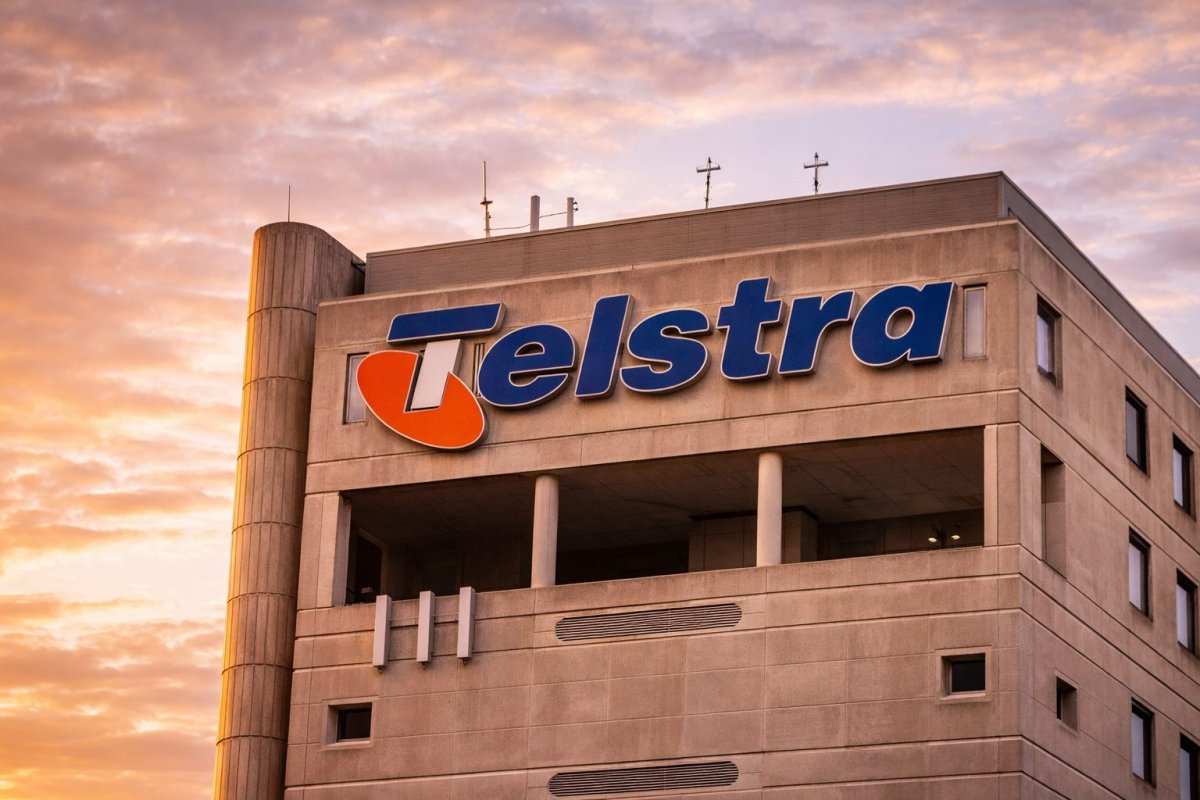
Shares of Telstra Group Limited (TLS.AX) closed lower on Wednesday, mirroring a sharp downturn across the Australian equity market. The telecommunications giant finished the session at A$5.16, representing a decline of approximately 1% or five cents. Trading activity was notably subdued, with volume reaching only 6.7 million shares, a significant drop from the 19 to 24 million shares exchanged in each of the prior two sessions.
Broader Market Under Pressure
The S&P/ASX 200 index slumped 1.94% to close at 8,901.20, extending losses from the previous day. The sell-off was attributed to a combination of escalating tensions in the Middle East, which pushed oil prices higher, and renewed speculation about imminent interest rate increases from the Reserve Bank of Australia (RBA). This environment dampened risk appetite among investors.
Dividend Details in Focus
Telstra's interim dividend remains a key point of attention for shareholders. The company has confirmed a cash payment of A$0.105 per share, which is scheduled to be distributed on March 27. Concurrently, the pricing window for Telstra's Dividend Reinvestment Plan (DRP) is open until March 6. This program allows investors to automatically reinvest their cash dividends into additional Telstra shares. The DRP price will be determined by the average daily volume-weighted average price (VWAP) of Telstra shares between March 2 and March 6, with no discount applied.
RBA Hawkishness Weighs on Sentiment
Market sentiment was heavily influenced by shifting expectations for monetary policy. Recent economic data showed the Australian economy grew 0.8% in the December quarter, with annual expansion at 2.6%. This pace has stoked concerns about persistent inflation, particularly as energy costs rise. Comments from RBA Governor Michele Bullock further fueled rate hike fears. She indicated the central bank's March meeting would be "live" and that the board would be actively considering the case for moving interest rates sooner rather than later.
In response, financial markets rapidly repriced the odds of a rate increase. Traders now assign roughly a 30% probability to a hike at the RBA's March meeting, with a full 25-basis-point increase fully priced in for May. This shift presents a challenge for high-yielding defensive stocks like Telstra, which are often viewed as "bond proxies." Their appeal can diminish when rising bond yields offer competing returns.
Telstra's Capital Return Strategy
The company has heavily relied on capital returns to maintain shareholder interest. Following its first-half results in February, Telstra increased its interim dividend and expanded its on-market share buyback program to as much as A$1.25 billion. These moves were supported by growth in customer numbers and higher average revenue from mobile plans. However, the stock's near-term trajectory may depend less on company-specific performance and more on the broader macroeconomic landscape and the RBA's policy decisions.
Looking ahead, investors will monitor the close of the DRP pricing window on March 6 and the subsequent dividend payment on March 27. The focus will then shift to the RBA's monetary policy meeting on March 16-17, followed by the critical quarterly Consumer Price Index (CPI) data release scheduled for April 29, which will provide the next major clue on the inflation trajectory.