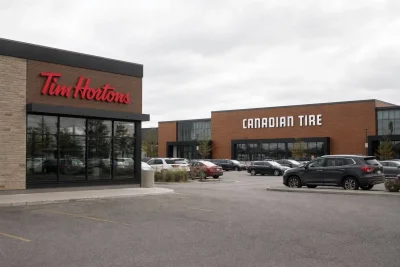
Restaurant Brands International (NYSE: QSR) is under the spotlight as its Tim Hortons chain rolls out a Harry Potter-themed menu in the United States, a move that comes on the heels of lackluster sales performance in its home market. The promotion, which begins August 12, introduces four doughnuts inspired by the Hogwarts Houses, a Golden Snitch Timbit, and cold beverages with collectible packaging. While the company has not disclosed pricing, projected sales, or licensing costs, the campaign is being closely watched by investors as a barometer of consumer demand.
The initiative follows a second quarter in which Tim Hortons' Canadian comparable sales grew by a mere 0.1%, a sharp deceleration from the 3.6% growth recorded in the same period a year earlier. System-wide sales growth also slowed to 0.4% from 3.9%, while revenue rose to $1.137 billion, up 4.9% year-over-year, boosted by stronger commodity prices and packaged goods sales. However, adjusted operating income increased only 3.2% to $287 million, as higher supply-chain costs ate into margins.
The Harry Potter menu represents a strategic push to revitalize traffic at Tim Hortons, which has struggled to sustain momentum in its core Canadian market. The brand is leveraging nostalgia and limited-edition appeal, with cups that reveal character images when hot liquids are added. Tim Hortons U.S. President Katerina Glyptis said, "We're bringing the magic of Harry Potter to life in true Tims fashion." The items are available only while supplies last, adding an element of scarcity that could drive short-term visits.
Investors are also digesting a new capital return initiative. On Monday, RBI announced plans to repurchase 2,784,549 exchangeable units held by a 3G Capital affiliate, with the transaction to be settled in cash at a 20-day volume-weighted average price on August 31. The units will be cancelled, reducing the share count by approximately 0.6% of the diluted weighted-average shares outstanding in the second quarter. The final cost is variable, but the buyback underscores management's commitment to returning capital to shareholders.
The broader RBI portfolio shows a mixed picture. Burger King delivered a standout performance with U.S. comparable sales up 8.5%, which CEO Josh Kobza attributed to "invest in the fundamentals and execute well." In contrast, Popeyes saw a 5.2% decline in U.S. same-store sales, though its international business grew 5.5%. Firehouse Subs managed a modest 0.4% increase, while consolidated comparable sales rose 3.8%.
Wall Street remains cautiously optimistic about QSR, with 27 analysts rating the stock a Buy and an average price target of $85.65, implying a 16.8% upside from Tuesday's closing price of $73.33. Recent analyst actions include J.P. Morgan's John Ivankoe (Overweight, $82), Evercore ISI's David Palmer (Outperform, $88), and Oppenheimer's Brian Bittner (Outperform, $85). However, risks persist, including elevated commodity costs and the potential that the Harry Potter promotion might only generate fleeting interest rather than sustained customer loyalty.
The stock has been volatile since the earnings release on August 6, when shares dropped 2.1% before recovering. As of Tuesday's close, QSR is up 0.6% from its post-earnings level but remains 1.6% below its pre-earnings price. The success of the Harry Potter menu and the final cost of the buyback will be key factors to watch in the coming weeks.
With the promotion launching midweek and the buyback settlement scheduled for August 31, investors will have tangible data points to assess whether Tim Hortons can rekindle growth and whether RBI's capital allocation strategy will support shareholder value.