California's high-speed rail program has disclosed a substantial cash reserve of $3.375 billion across all funding sources, a figure that significantly outweighs the current construction spending pace. This financial cushion, detailed in the latest state update as of June 30, is approximately 71 times the $47.6 million spent on Construction Package 1 (CP1) during June, signaling robust near-term payment capacity for the project's contractors.
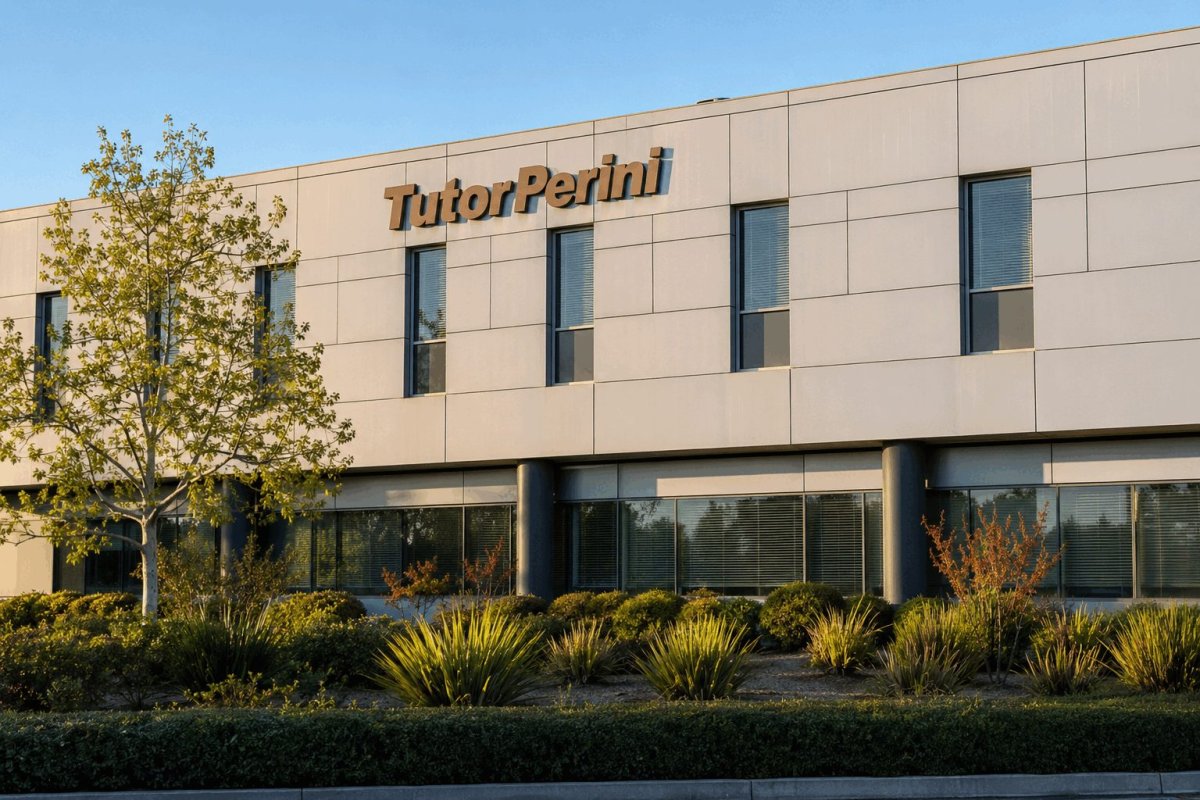
The funding news is particularly relevant for Tutor Perini Corporation (NYSE: TPC), whose joint venture manages the $4.06 billion design-build contract for the initial 32-mile segment of the rail line. The healthy cash position alleviates immediate liquidity concerns for the contractor, though it does not resolve the project's longer-term funding shortfall, which remains a topic of ongoing debate.
Financial Details and Composition
According to the state's financial documents, the total ending cash balance fell by $254.6 million from May to June, primarily due to a decrease in the Greenhouse Gas Reduction Fund, which dropped by $176.5 million to $3.312 billion. Proposition 1A cash also declined by $78.3 million to $47.9 million. Notably, the authority reported no outstanding invoices, and June CP1 spending included $3.4 million in approved change orders.
The composition of the cash reserve is critical. Nearly all of the existing balance comes from the Greenhouse Gas Reduction Fund, with about $192.6 million from the May auction still being processed. California has also guaranteed a stable $1 billion in annual appropriations through 2045, providing a predictable revenue stream. Federal funding currently accounts for only 7% of the program's total finances, a figure that dropped after the authority cut approximately $4 billion in canceled federal grants from its budget in late 2025. Reuters has previously estimated the entire project could cost between $89 billion and $128 billion.
Impact on Tutor Perini
For Tutor Perini, the CP1 contract represents a significant portion of its backlog. The company's total backlog stood at $19.9 billion as of June 30, with the CP1 deal accounting for 20.4% of that figure. This is a substantial commitment, but the company's market capitalization of $5.11 billion as of August 17 suggests the contract's headline value is roughly 79.5% of its market cap, highlighting the importance of this project to its financial health.
Tutor Perini has been performing strongly. In the second quarter of 2026, revenue climbed 19% year-over-year to $1.64 billion, while construction operating profit surged 54% to $117.7 million. Diluted earnings per share more than tripled to $1.23, and adjusted EPS rose 23% to $1.74. The company generated $334.1 million in operating cash flow for the first half of the year, and at quarter-end, cash exceeded debt by $542 million. Chief Executive Gary Smalley noted the strong results and raised the adjusted EPS outlook to a range of $5.15 to $5.45.
Market Reaction and Analyst Views
Shares of Tutor Perini closed Monday at $97.22, up 0.4%, and are about 5% below the 52-week high of $102.30. The stock has caught the attention of analysts, with a consensus rating of Strong Buy from four analysts. Their average price target is $116.25, implying a 19.6% upside from current levels, though targets range from $105 to $125, reflecting divergent views on the company's prospects.
B. Riley and UBS both issued Buy ratings on August 6, with price targets of $120 and $105, respectively. The positive sentiment is tempered by risks, including potential declines in California's liquidity as construction spending rises, contract disputes, and partner reliability issues. The stock's elevated beta of 2.07 could amplify negative developments, and the company's valuation is already stretched.
The next key event is the public finance review scheduled for Wednesday, where investors will scrutinize the $3.4 billion cash balance, the pace of CP1 payments, and any disclosures regarding contract disputes. While the latest data supports near-term performance, the long-term funding question remains unresolved, and stakeholders will be watching closely for any signs of strain.