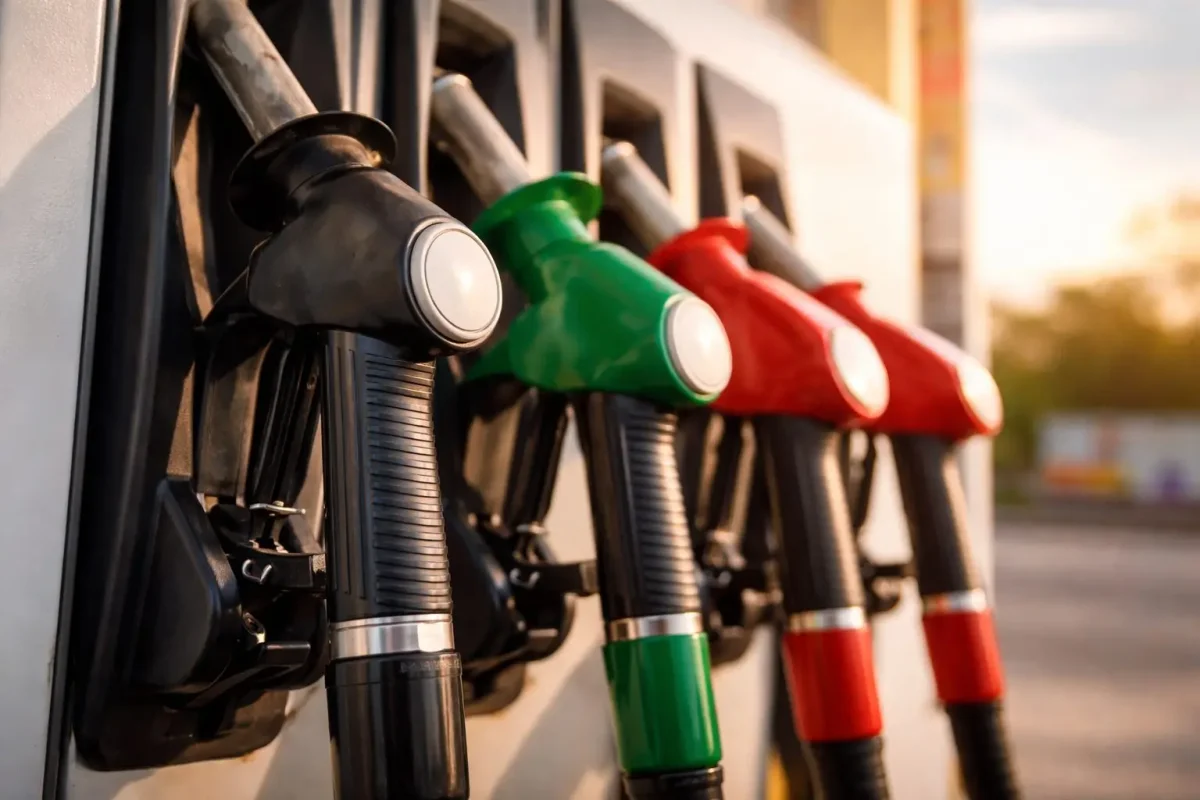
The national average price for regular unleaded gasoline in the United States climbed sharply on Tuesday, crossing the psychologically significant $3 per gallon threshold. According to data from the American Automobile Association (AAA), the average pump price rose to $3.109 per gallon, marking an increase of approximately 11 cents from the previous day's level. This move higher reflects a rapid pass-through of soaring wholesale fuel and crude oil costs to consumers.
Crude Oil Leads the Rally
The primary catalyst for the surge at the pump was a powerful rally in global crude oil benchmarks. Brent crude futures, the international standard, surged by $6.07, or 7.8%, to settle at $83.81 per barrel. U.S. West Texas Intermediate (WTI) crude followed closely, gaining $6, or 8.4%, to reach $77.23. Both benchmarks traded near their highest levels since mid-2024. The dramatic increase was fueled by intensifying geopolitical tensions in the Middle East, which raised immediate concerns over the security of global oil supplies.
Specifically, market participants grew anxious about potential disruptions to tanker traffic through the critical Strait of Hormuz. Reports indicated a thinning of vessel traffic following the withdrawal of insurance coverage for ships transiting the region. Analysts warned that the situation could worsen significantly if regional actors targeted additional energy infrastructure, leading to more prolonged supply outages.
Refined Products and Refiner Margins Spike
The rally extended forcefully into the market for refined products. On the New York Mercantile Exchange (NYMEX), futures for RBOB gasoline, the benchmark for wholesale fuel, climbed nearly 5% to around $2.48 per gallon. Diesel futures experienced an even more pronounced jump, soaring close to 14%. This surge in product prices relative to crude oil significantly expanded refinery profit margins, commonly tracked via "crack spreads." These spreads represent the difference between the price of crude oil and the refined products like gasoline and diesel derived from it, offering a key gauge of refiner profitability.
Consequently, shares of major U.S. refining companies traded higher during Tuesday's session. Valero Energy (VLO) saw its stock advance by 2.3%, while Marathon Petroleum (MPC) gained 1.5%. Phillips 66 (PSX) edged 0.4% higher. These stocks are particularly sensitive to movements in crack spreads, often reacting more directly to fuel margin dynamics than the broader energy sector.
Market Context and Consumer Impact
The Tuesday price of $3.109 per gallon sits just above the $3.097 average recorded at the same time last year and represents a sharp increase from the $2.883 average seen just one month prior. Analysts note that gasoline prices possess a unique psychological weight for consumers, serving as a highly visible and frequent reminder of inflationary pressures. Historical correlations suggest that each $10 per barrel increase in the price of crude oil typically adds roughly 25 cents to the price of a gallon of gasoline. With the current crude rally, some market observers are now bracing for a potential move toward $3.25 per gallon in the near term.
The price spike carries potential political ramifications as well. A recent Reuters/Ipsos poll indicated that nearly half of respondents said rising oil and gasoline costs would make them less likely to support President Donald Trump's current approach to Iran policy, highlighting the immediate economic and political sensitivities tied to energy prices.
Inventory Data and Potential Mitigating Factors
Traders and analysts are now closely monitoring upcoming inventory data for signals on the tightness of gasoline supplies. The American Petroleum Institute (API) was scheduled to release its weekly stockpile numbers Tuesday afternoon, followed by the more definitive report from the U.S. Energy Information Administration (EIA) on Wednesday morning. As of the latest EIA data from February 20, U.S. gasoline inventories stood at 254.8 million barrels, representing approximately 30 days of supply at current consumption rates.
Several factors could temper or reverse the recent price surge. A decline in crude oil prices would naturally relieve pressure on pump prices. Additionally, the White House retains the option to authorize a release from the Strategic Petroleum Reserve (SPR) to increase supply. Market experts also note that the seasonal transition by refineries to more expensive summer-grade gasoline blends, undertaken ahead of the peak travel season, can contribute to a gradual upward drift in prices independent of crude moves.
Outlook and Trader Focus
In the immediate future, gasoline prices and refiner equity valuations are likely to remain highly reactive to headlines concerning crude oil supply and the evolving situation in the Middle East. The market will watch for any signs of easing in the shipping and insurance bottlenecks affecting the Persian Gulf. For now, the combination of geopolitical risk and strong refinery margins has created a volatile environment for energy markets, with consumers bearing the direct cost at the fueling station.