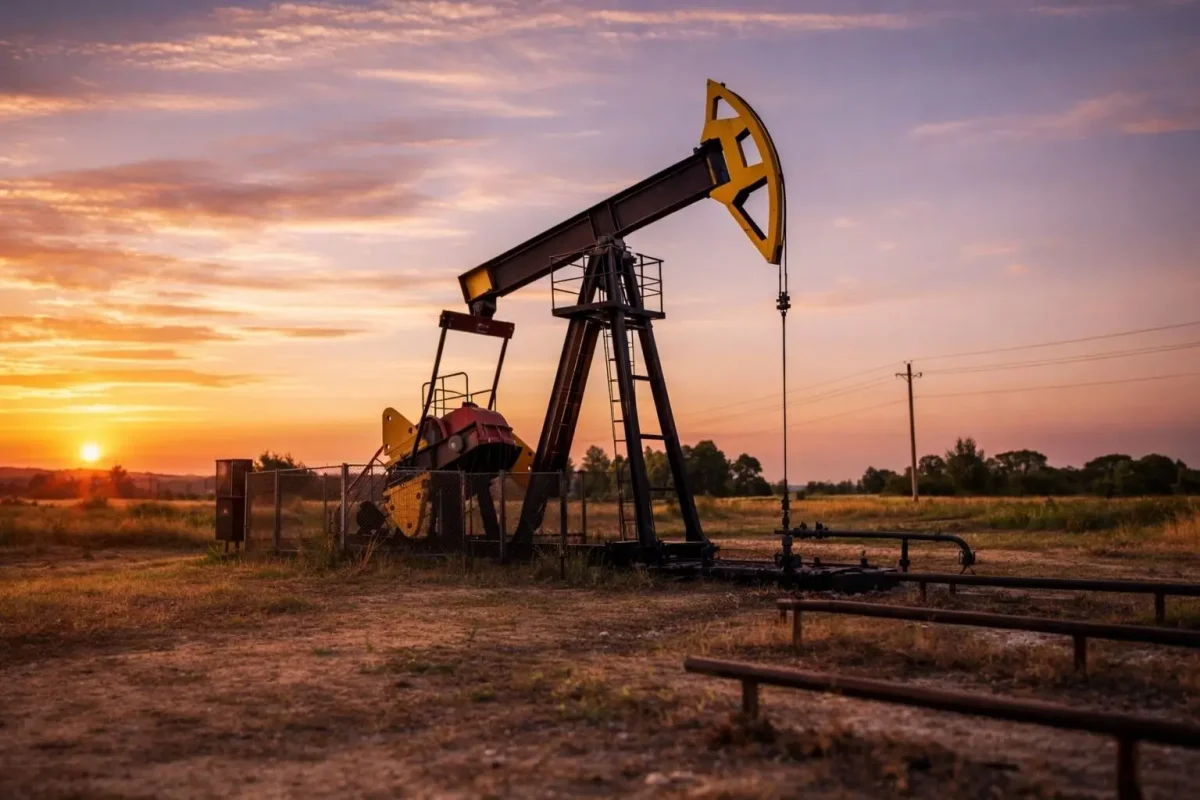
The global energy and financial markets were thrown into turmoil on Monday following a decisive U.S. military move. A notice to mariners confirmed the United States will enforce a blockade on all Iranian port traffic, effective 1400 GMT. The immediate reaction saw Europe's physical crude market skyrocket, with North Sea Forties crude for immediate delivery hitting an unprecedented $148.87 per barrel.
Futures markets echoed the panic. Brent crude futures jumped 7.2% to $102.01 a barrel in late London trading, decisively breaking the $100 threshold. U.S. benchmark West Texas Intermediate (WTI) surged 7.8% to $104.07. The dramatic price action reflects fears that the blockade could sideline approximately 2 million barrels per day of Iranian crude exports, a significant portion of global supply, especially after the collapse of weekend talks in Islamabad.
Market and Shipping Disruption
The ripple effects extended far beyond commodity pits. U.S. equity futures pointed to a sharply lower open, with Dow E-minis down 0.54%, S&P 500 E-minis falling 0.63%, and Nasdaq 100 E-minis dropping 0.65%. The CBOE Volatility Index (VIX) climbed to 21.32, signaling rising investor anxiety. While energy giants like Chevron and Exxon Mobil edged higher in pre-market trading, airlines such as Delta Air Lines fell on renewed jet fuel cost concerns.
Shipping through the critical Strait of Hormuz, a chokepoint for nearly 20% of the world's oil, showed immediate signs of disruption. Reuters reported tankers rerouting and at least two vessels linked to Iran departing the Gulf. The U.S. notice states the blockade will cover the Gulf of Oman and the Arabian Sea, east of Hormuz, applying to all vessels regardless of flag. Ships entering or leaving Iranian waters without clearance risk being stopped, redirected, or seized, though the U.S. military asserts neutral traffic to non-Iranian ports should not be obstructed.
Diplomatic Standoff and Retaliation Threats
The blockade marks a severe escalation in the ongoing standoff between Washington and Tehran. The U.S. has held firm on demands for Iran to abandon its enriched uranium stockpiles, cease all further enrichment activities, and halt support for regional allies. Iran has countered by demanding comprehensive sanctions relief and formal recognition of its control over the strategic waterway. Tehran has condemned the U.S. action as illegal and warned that threats to its ports would put every harbor in the Gulf and Gulf of Oman at risk.
Analysts noted a rapid shift in market sentiment from ceasefire optimism to pricing in severe new risks. Erik Meyersson of SEB stated the blockade made the basic logic of the current truce, which expires on April 22, "untenable for now." Hasnain Malik of Tellimer observed that investors are now bracing for a wide range of outcomes, from renewed negotiations to outright conflict.
Global Response and Economic Implications
The geopolitical shockwave prompted a fragmented international response. European Commission President Ursula von der Leyen called the restoration of freedom of navigation through Hormuz "paramount," urging EU coordination after the bloc's fossil-fuel costs jumped by an estimated 22 billion euros since the conflict began. Britain, however, broke ranks, refusing to back the U.S. blockade and stating its priority is to reopen the passage.
The economic implications are profound, with U.S. annual consumer inflation for March hitting 3.3%—the sharpest monthly increase in almost four years—adding pressure on central banks. While supply cushions exist, including over 180 million barrels of Iranian oil floating in storage and Saudi Arabia's East-West pipeline operating at near 7 million barrels per day capacity, analysts warn these are temporary relief valves.
Dana Stroul of the Washington Institute for Near East Policy, a former senior Pentagon official, pointed out Washington would struggle to maintain the blockade unilaterally. Investment bank Morgan Stanley maintained its second-quarter Brent projection at $110 per barrel, warning that global supply chains might require months to normalize even if the strait were reopened promptly. The consensus is clear: oil, shipping, and equity markets are bracing for a prolonged period of elevated risk and volatility, with no swift diplomatic resolution in sight.