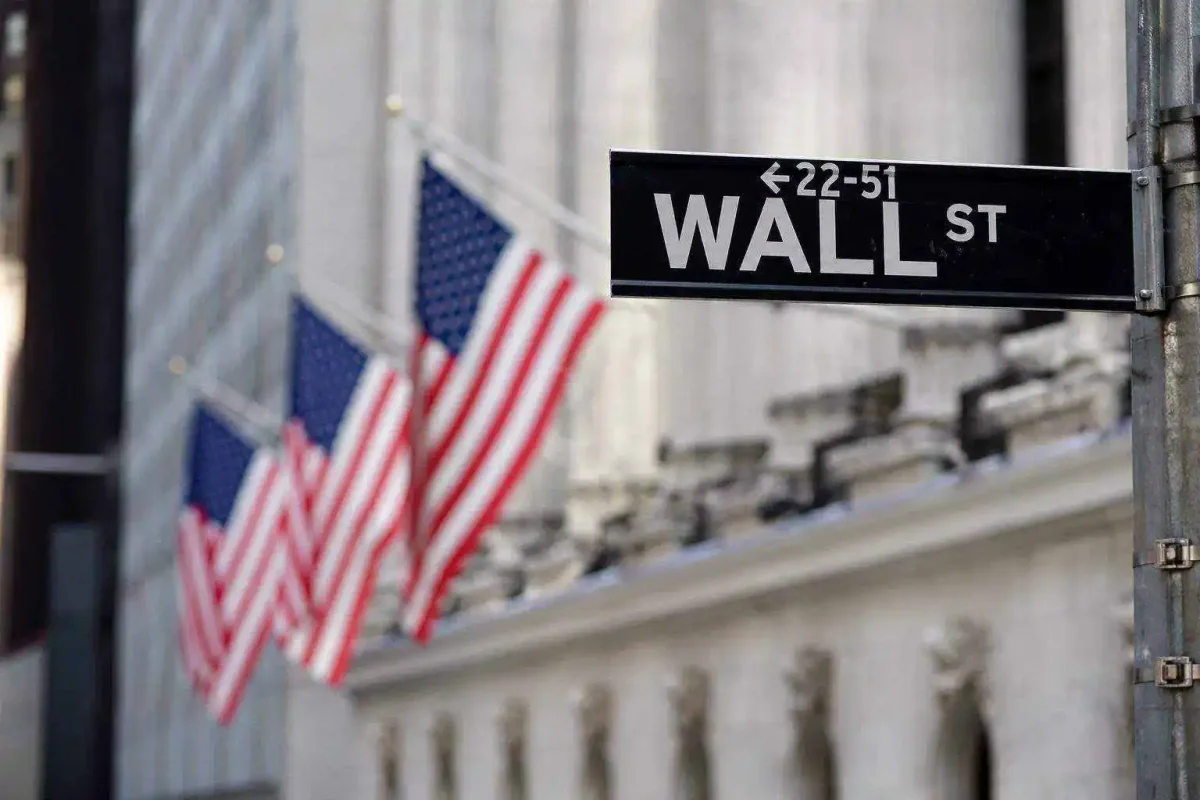
U.S. equity markets edged lower on Wednesday, April 29, 2026, as investors adopted a cautious stance ahead of the Federal Reserve's interest rate decision and a wave of earnings reports from major technology companies. The Dow Jones Industrial Average slipped 0.59%, the S&P 500 lost 0.24%, and the Nasdaq Composite declined 0.31%, according to LSEG data cited by Reuters.
Tech Giants in the Spotlight
After the closing bell, Microsoft Corporation (MSFT), Alphabet Inc. (GOOGL), Amazon.com Inc. (AMZN), and Meta Platforms Inc. (META) are scheduled to report quarterly results. These four companies now command a combined market value exceeding $10 trillion, representing roughly 17% of the S&P 500, per Reuters. Investors are keen to see whether substantial investments in artificial intelligence are translating into revenue growth rather than merely inflating expenses.
Fed Decision Awaited
The Federal Reserve is widely expected to hold its benchmark overnight rate steady in the 3.50%-3.75% range. This decision carries significant weight for stock valuations, as higher rates tend to discount the present value of future earnings. Michael Feroli, chief U.S. economist at JPMorgan, described recent economic data as "more hawkish" for the Fed's discussion but insufficient to prompt new rate hikes, according to Reuters.
Oil Prices Surge
Brent crude oil climbed 6.62% to $118.63 per barrel, adding to inflationary concerns. The U.S. 10-year Treasury yield rose to 4.394%. Higher oil prices often stoke inflation worries, and elevated yields can pressure growth stocks, particularly technology names that rely on long-term earnings expectations.
AI Optimism Persists
Despite the broader market's dip, the Philadelphia Semiconductor Index managed a 1.8% gain, signaling continued optimism around AI-related stocks. Chuck Carlson, CEO of Horizon Investment Services, noted that megacap cloud companies remain the "straw that stirs the drinks" for both the AI supply chain and major index funds, as reported by Reuters. However, Ron Albahary, chief investment officer at Laird Norton Wetherby, warned that earnings growth expectations may be "exceedingly optimistic," cautioning that investor enthusiasm could outpace what companies can deliver.
Economic Data and Corporate Movers
Core capital goods orders, a key indicator of business investment, surged 3.3% in March—the largest increase since June 2020. This boost was attributed to AI-related investment and data center construction, though tariffs and Middle East tensions continued to weigh on costs.
In individual stock moves, GE HealthCare (GEHC) fell after lowering its full-year profit outlook, citing inflation in memory chips, oil, and freight, along with a supplier issue in its pharma diagnostics segment. Visa Inc. (V) rose after beating profit expectations and raising its full-year earnings forecast, driven by continued consumer spending strength. Robinhood Markets Inc. (HOOD) declined as sluggish cryptocurrency markets dragged down trading revenue, with crypto revenue dropping 47% year-over-year.
Policy and Outlook
On the policy front, Kevin Warsh, nominated by President Donald Trump to lead the Fed, advanced through a key Senate Banking Committee vote, moving closer to replacing Jerome Powell when his term ends on May 15. Investors are also watching whether Powell will remain as a Fed governor.
Market participants remain on edge, with support levels at risk. Walter Todd, chief investment officer at Greenwood Capital, told Reuters that any signs of caution on AI spending from Microsoft, Alphabet, Amazon, or Meta could trigger a "very negative" reaction in semiconductor and data-center stocks. Conversely, a more hawkish message from the Fed could lift yields further.