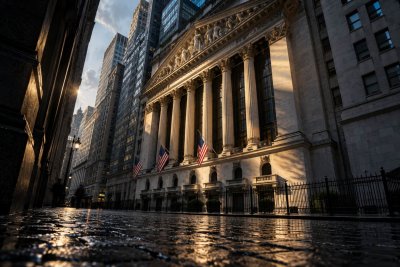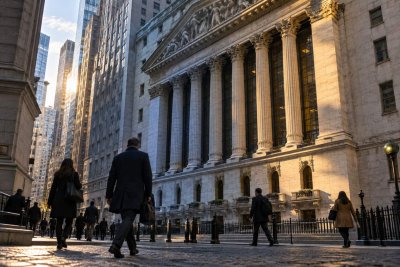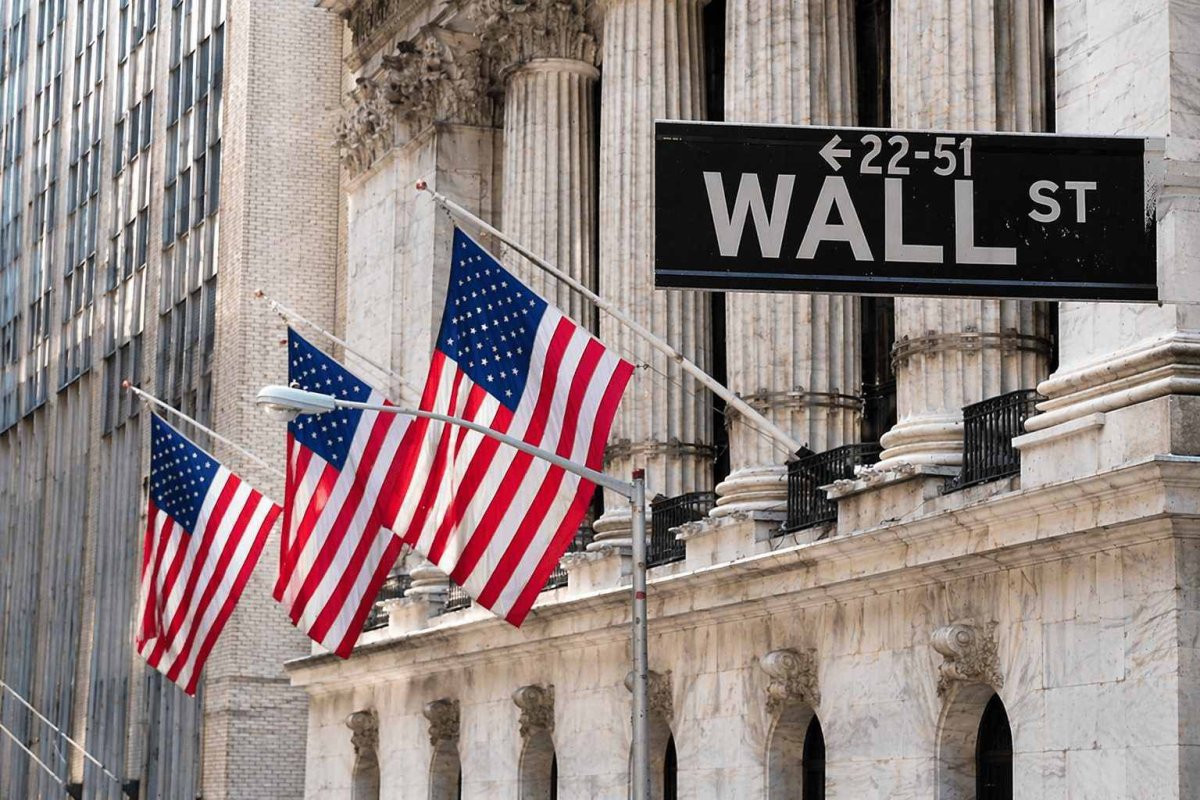
U.S. equity markets reversed early gains and closed lower on Tuesday, as investors weighed a significant leadership change at a tech giant, testimony from a nominee for the Federal Reserve's top post, and escalating geopolitical concerns. The Dow Jones Industrial Average, S&P 500, and Nasdaq Composite all finished the session in negative territory, erasing an initial boost from corporate earnings.
The shift in sentiment arrives as Wall Street navigates record-high territory amid concurrent shifts in oil prices, interest rate expectations, and first-quarter earnings reports. The S&P 500 was trading just below its all-time highs during the morning session, according to market data.
Corporate Moves: Apple and Amazon in Focus
Technology heavyweight Apple (AAPL) announced a major executive transition, stating that Tim Cook will move to the role of Executive Chairman, with John Ternus, currently Senior Vice President of Hardware Engineering, set to become Chief Executive Officer effective September 1. The rare leadership change at one of the world's most valuable companies contributed to downward pressure on the stock during late-morning trading.
Separately, Amazon (AMZN) saw its shares edge lower after announcing a deepened artificial intelligence partnership with Anthropic. The AI firm committed to spending over $100 billion on Amazon Web Services (AWS) technology over the next decade. Amazon, in turn, is making an immediate $5 billion investment in Anthropic, with the potential to increase that commitment to $20 billion. The strategic move is seen as an effort to bolster Amazon's competitive position in the cloud and AI sector against rivals Microsoft and Google.
Earnings and Economic Data Provide Mixed Signals
UnitedHealth Group (UNH) provided a bright spot, lifting the broader market after the healthcare insurer raised its full-year profit outlook and reported quarterly earnings and revenue that exceeded analyst forecasts. "Margins are improving," noted Brian Mulberry, Chief Market Strategist at Zacks Investment Management, in remarks to Reuters. He added that corporate restructuring and the adoption of artificial intelligence could provide further tailwinds for earnings.
On the economic front, data from the U.S. Census Bureau showed retail and food-services sales for March rose 1.7% from February to a total of $752.1 billion. However, the report highlighted that these figures were not adjusted for inflation, a critical detail given the recent upward trend in fuel prices.
Geopolitical and Policy Uncertainties Weigh
Oil prices remained a central focus for traders. Brent crude futures hovered in the mid-$90s per barrel as the market awaited the scheduled expiration of a U.S.-Iran ceasefire agreement on Wednesday. Prices had previously spiked to $119 during the height of recent Middle East tensions, driven by anxiety over potential disruptions to shipping through the critical Strait of Hormuz.
"It's become cliched to say that the economic hit will depend on the duration of the Middle East conflict, but that cliché does ring true," said Brian Jacobsen, Chief Economic Strategist at Annex Wealth Management, in comments to the Associated Press. The concern for investors is that a collapse in diplomacy or a prolonged closure of the strait could trigger a sharp spike in oil prices, increasing costs for consumers and businesses and complicating the inflation outlook.
In Washington, the confirmation hearing for Kevin Warsh, nominated for Chair of the Federal Reserve, introduced another layer of policy uncertainty. Media reports indicated the nominee advocated for significant changes at the central bank and proposed a new approach to inflation targeting, while still emphasizing the importance of monetary policy independence. The Fed's decisions on short-term interest rates have wide-ranging effects on mortgages, credit cards, business loans, and bond markets.
The timing of any leadership transition at the Fed was also questioned during the hearing. Republican Senator Thom Tillis stated that Warsh's confirmation process would not advance until the Justice Department completes an investigation into current Fed Chair Jerome Powell, a situation that could complicate the central bank's leadership handover.
The confluence of these events created a cautious atmosphere on trading floors. While outright panic was absent, the market displayed heightened sensitivity to multiple unfolding narratives, from corporate boardrooms to the Middle East and the halls of the Federal Reserve.