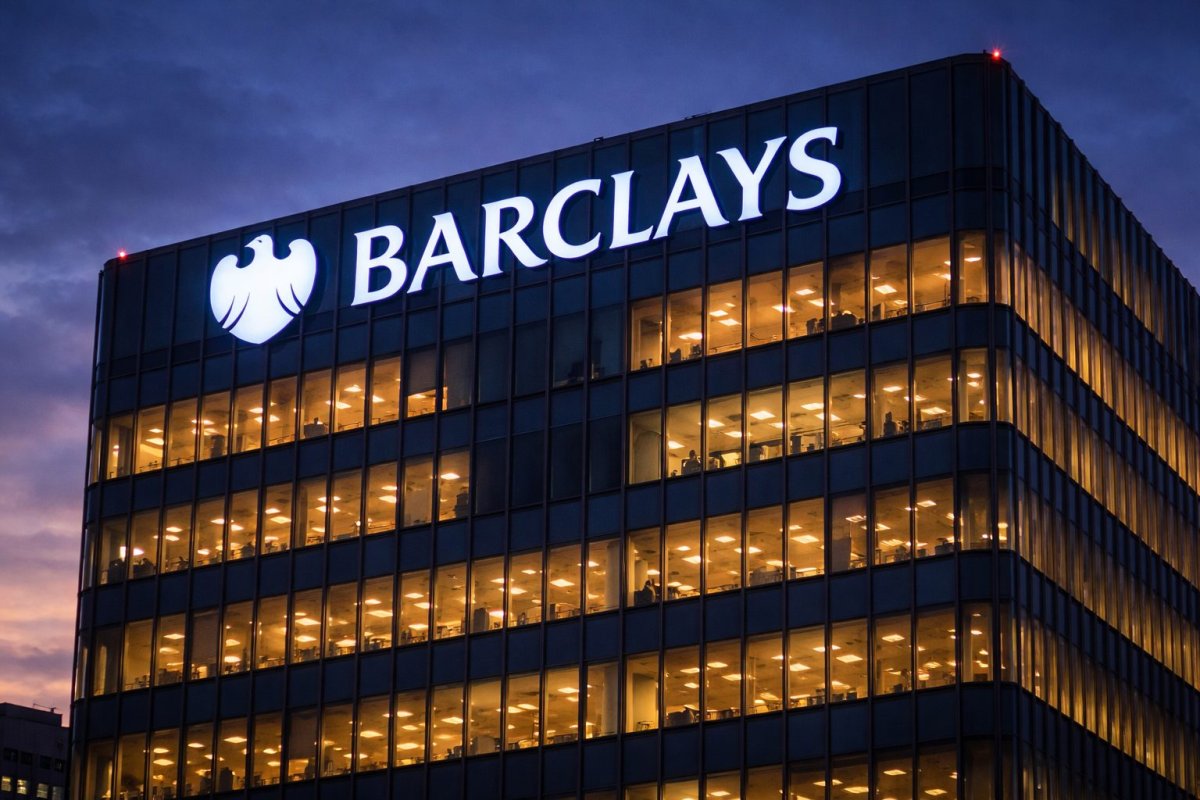
London-listed banking stocks faced significant selling pressure on Tuesday, with shares of Barclays and HSBC each declining roughly 4.5% during the session. The sell-off extended losses for UK financial institutions amid a broader market retreat linked to escalating geopolitical tensions and a sharp rally in energy prices.
Market Context and Broader Sell-Off
The declines contributed to the FTSE 100 index posting its most severe single-day drop in nearly a year. Banking stocks, which constitute a substantial portion of the UK's primary equity benchmark, were particularly hard hit as investors reassessed the economic outlook. The downturn followed a wider market rout that began earlier in the week, which also saw notable losses for airlines and travel-related shares, while investors sought refuge in energy and defense sectors.
Oil Prices and Inflation Concerns
The primary catalyst for the market anxiety was a renewed surge in crude oil prices. Brent crude futures jumped 3.3% to reach $84.07 per barrel, while U.S. West Texas Intermediate crude gained 3% to $76.80. Analysts attributed the spike primarily to heightened conflict in the Middle East, with the situation between the U.S. and Iran cited as a key near-term driver. This sharp increase in energy costs has reignited concerns over persistent inflationary pressures, complicating the monetary policy landscape for central banks.
The inflationary implications prompted a swift repricing of interest rate expectations. Data from LSEG, cited by market reports, showed traders slashing the implied probability of a Bank of England rate cut at its upcoming meeting to just 22%. This marks a dramatic shift from earlier expectations that the central bank was poised to begin an easing cycle. The British pound touched a three-month low against other major currencies, reflecting these adjusted bets.
Analyst Commentary and Economic Risks
Financial analysts highlighted the dual risks posed by the energy shock. David Rees, Head of Global Economics at Schroders, warned that sustained higher energy prices could squeeze real household incomes and prevent the Bank of England from cutting rates, thereby dashing hopes for an economic growth pickup. Dan Coatsworth, Head of Markets at AJ Bell, noted that persistent issues would lead markets to worry about new inflationary pressures.
Paul Dales, Chief UK Economist at Capital Economics, emphasized that the Bank of England is likely to be highly sensitive to upside inflation risks in the current environment. The consensus view suggests that the timeline for monetary policy easing is now directly tied to the duration and severity of the energy price spike.
Company-Specific Factors
Beyond the macro headwinds, Barclays faced additional scrutiny. Recent court filings related to the collapse of UK mortgage lender Market Financial Solutions (MFS) indicated a potential £930 million shortfall in collateral, with only £230 million of "true value" backing loans totaling £1.16 billion. While some analysts downplayed the risk of systemic fallout, the situation drew fresh attention to potential vulnerabilities within private credit markets.
Separately, Barclays had been the subject of retail investor commentary following a notable rally earlier in the year. Analysis from late February noted the stock was trading at £4.60, while one fair-value model estimated it closer to £4.92. Despite a 4.2% slide over the preceding month, the bank had delivered a total return of 60.9% over the previous year as of that date.
Broader Market Movements and Outlook
European shares showed tentative signs of stabilization on Wednesday, with the STOXX 600 index edging up 0.6% by late morning. However, the index remained almost 5% below the record high set the previous Friday, indicating that underlying investor anxiety had not fully dissipated.
The path forward for UK banks appears heavily contingent on the evolution of energy markets. A rapid de-escalation of tensions and a subsequent drop in oil and gas prices could revive rate-cut expectations and support a bank stock recovery. Conversely, a prolonged energy price spike threatens to entrench inflation, potentially stifling economic growth and increasing the risk of loan defaults, which would necessitate larger provisions from lenders.