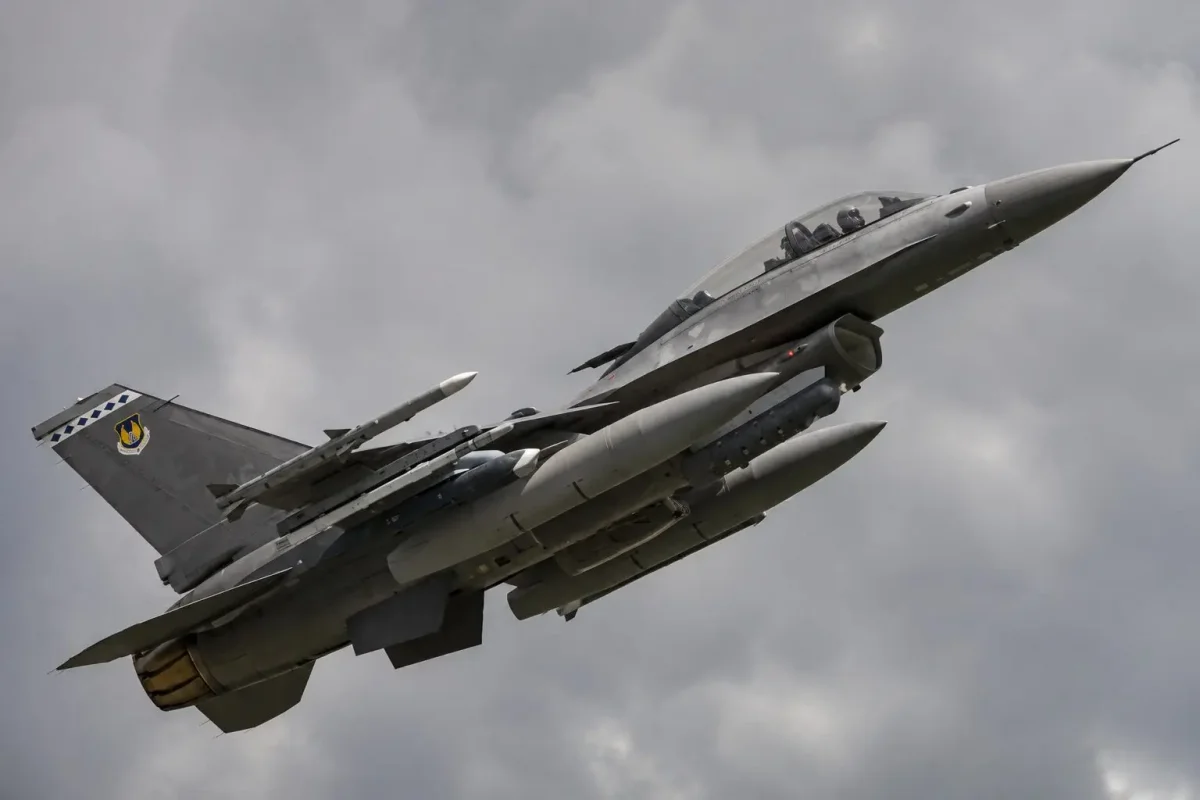
NEW YORK, July 23, 2026 – A Ukrainian F-16 fighter jet achieved its first air-to-air kill, a milestone that underscores the growing importance of Lockheed Martin's missile business. General Dan Caine told senators that the F-16 downed a Russian fighter, though he did not specify the timing, location, weapon, or aircraft model involved.
Lockheed Martin (NYSE: LMT) shares climbed 5.3% in premarket trading ahead of the U.S. market open, reflecting investor optimism about the company's defense portfolio. The company also raised its 2026 sales and earnings guidance, driven by strong demand for its missile systems.
Missile Segment Outperforms
In its second-quarter results, Lockheed's Missiles and Fire Control segment posted sales of $4.10 billion, a 19% year-on-year increase. The segment contributed 35% of total sales growth and 20% of overall revenue, with an operating margin of 14.5%—5.1 percentage points higher than the Aeronautics segment.
Growth was fueled by funded production expansions, with PAC-3 and THAAD systems adding $560 million in revenue. The Precision Strike Missile contributed an additional $100 million. In contrast, F-16 and C-130 sustainment sales declined by $120 million.
Aeronautics Segment Shows Modest Growth
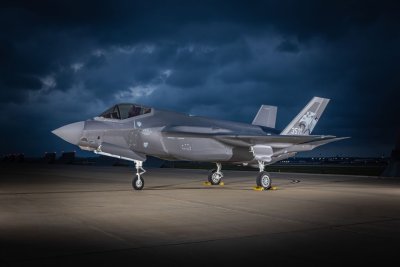
Lockheed's Aeronautics segment reported sales of $8.11 billion, up 9% year-on-year, aided by increased F-35 output and a favorable comparison to a prior contract charge. However, the decline in F-16 and C-130 sustainment volume partially offset gains.
The company secured $65 billion in new orders during the quarter, representing 3.2 times its sales. The backlog reached $230.4 billion, roughly 2.9 times the midpoint of projected 2026 sales.
Guidance Raised, European Partnerships Eyed
Lockheed raised its 2026 sales outlook to a range of $79.75 billion to $81.75 billion and increased its free-cash-flow projection to between $7.0 billion and $7.2 billion. CFO Evan Scott highlighted opportunities for partnerships to scale production faster, particularly in Europe, as allied nations restock their inventories.
The F-16 demonstration could drive future demand for training, upgrades, and ongoing support, though revenue generation depends on government agreements. Risks include budget delays, export permits, supplier issues, and fixed-price execution challenges.
Overall, the F-16 kill serves as a powerful symbol of Lockheed's expanding role in modern warfare, with earnings increasingly led by munitions rather than aircraft sustainment.