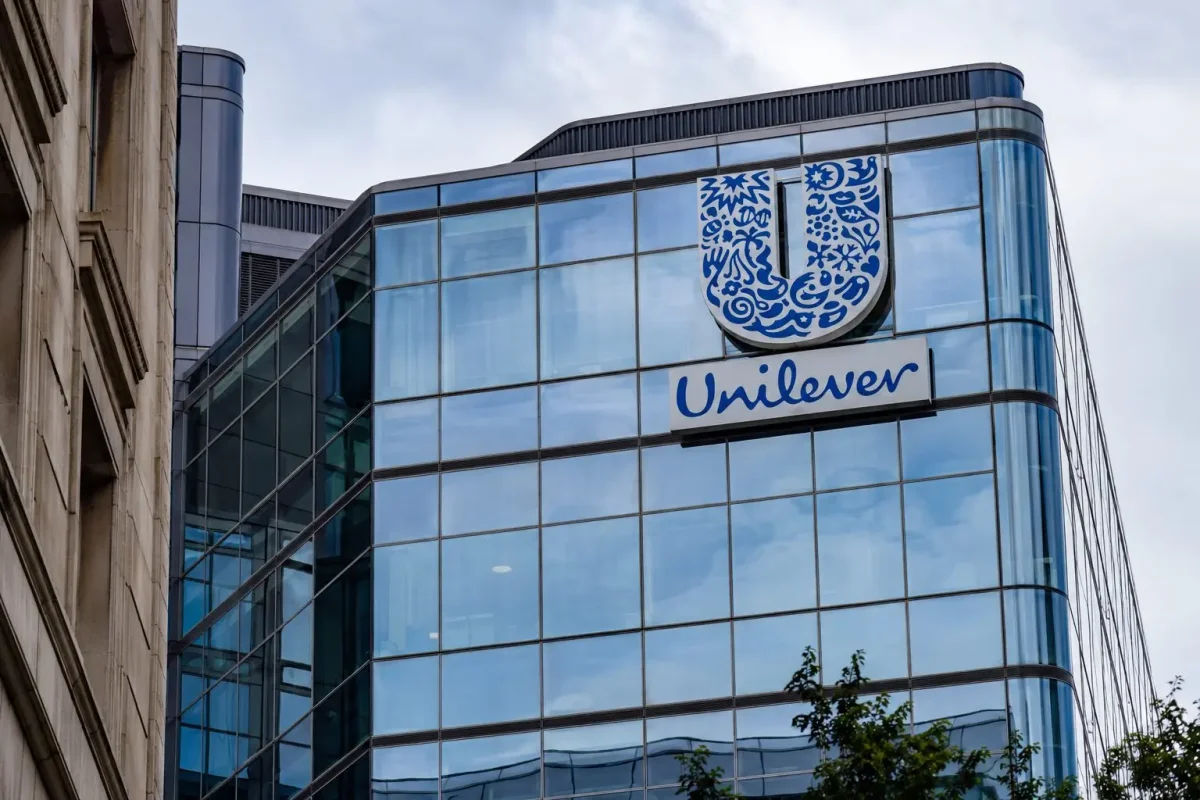
Unilever PLC (LON:ULVR) saw its shares decline by 1.4% on Monday, trading at 4,608 pence as of 09:58 BST, ahead of its second-quarter earnings report scheduled for July 28. The drop comes amid cautious investor sentiment, with the stock now trading approximately 17% below its 52-week high, though it still commands a valuation of nearly 21 times trailing earnings.
Analysts are projecting a 4.3% increase in underlying sales for the second quarter, a notable acceleration from the 3.1% growth recorded in the same period last year. Volume growth is expected to be the primary driver, contributing 2.5 percentage points, compared to just 1.1 points a year ago. Pricing is forecast to slow to 1.8 points, down from 2.1 points in Q2 2025, meaning volumes would account for roughly 58% of growth, a significant shift from the 35% contribution seen last year.
This transition toward volume-led growth presents both opportunities and challenges. While increasing unit sales can signal strong brand demand, it also places greater pressure on supply chains and may require higher marketing investment. The company reported a similar trend in the first quarter of 2026, where volumes rose 2.9% while pricing contributed only 0.9%.
For the first half of the year, consensus estimates point to underlying sales growth of 4.1%, with underlying earnings per share (EPS) expected to rise by just 1.6%. Operating margin is projected to increase by a modest 10 basis points to 20.3%, highlighting the ongoing challenge of converting volume gains into meaningful profit expansion.
Chief Financial Officer Srinivas Phatak has expressed optimism, stating, "We expect performance to improve from Q2, driven by Liquid I.V. and Nutrafol." These wellness brands are seen as key growth engines in Unilever's portfolio, alongside continued momentum in the Home Care division. Home Care sales rose 6.1% in the first quarter, fueled by a 6.2% increase in volume.
Regional performance remains mixed. In Asia Pacific Africa, volume growth reached 5.0% in Q1, while Europe saw a decline of 1.2%, reflecting ongoing economic headwinds and shifting consumer preferences. The company also faces input cost pressures, projecting net inflation of €750 million to €900 million for the full year, with half attributed to Home Care and 70% concentrated in emerging markets. Rising Brent crude oil prices above $90 per barrel could exacerbate these pressures, though Unilever has not updated its guidance.
On the strategic front, Unilever's planned merger of its Foods business with McCormick & Company (NYSE:MKC) is progressing, with the transaction expected to close by mid-2027. Cash proceeds from the deal are anticipated to fund up to €6 billion in share buybacks through 2029, including the €1.5 billion program completed in June.
As the market awaits the July 28 earnings release, the key focus will be on whether Unilever can sustain its volume growth trajectory of at least 2% for the full year and translate that into accelerated earnings growth. The current valuation, while below its peak, still requires strong execution to justify the multiple.