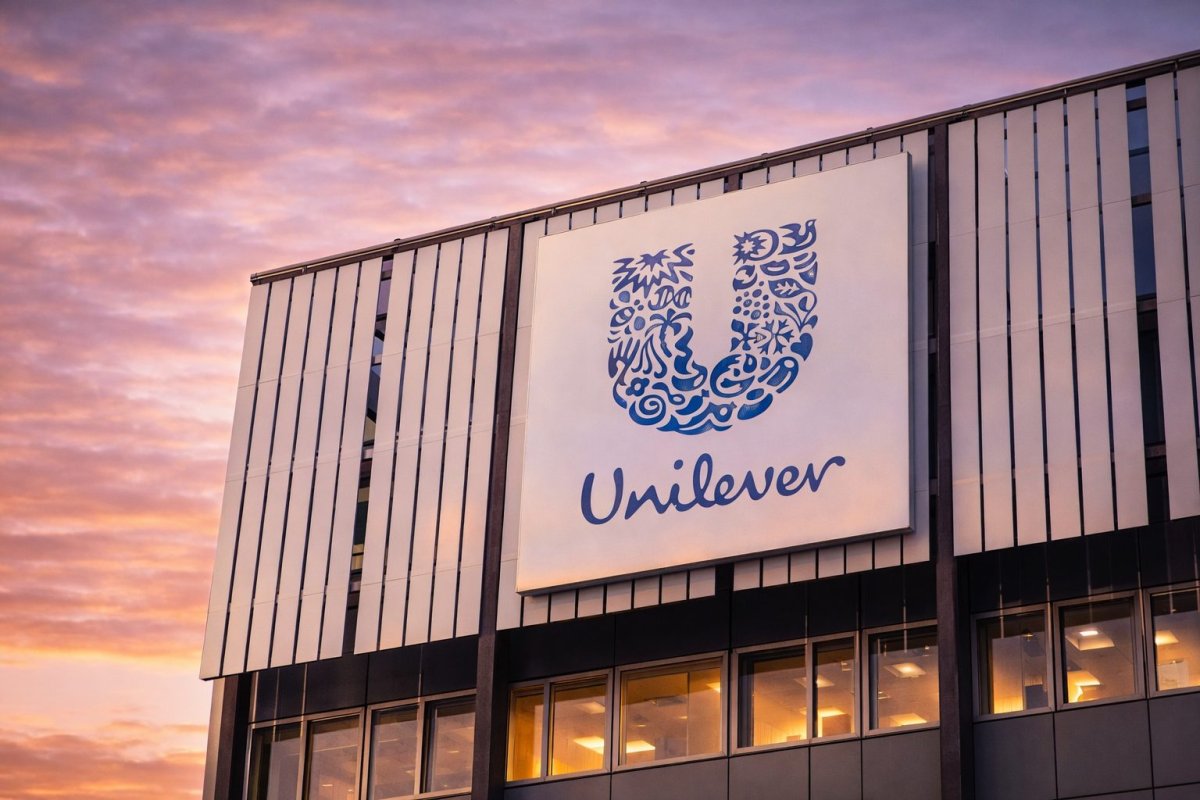
Shares of Unilever PLC (UL) advanced modestly during Wednesday's trading session in London, demonstrating resilience amid broader market turbulence. The consumer staples giant saw its stock price increase by 0.2% to reach 5,146 pence by 0900 GMT, following a significant downturn across UK equity markets the previous day. Trading activity showed the stock fluctuating between 5,134 pence and 5,168 pence since the market open.
Broader Market Context
European equities showed tentative signs of stabilization during the session, with the pan-European STOXX 600 index gaining 0.6% by 0810 GMT. This recovery attempt followed a global market sell-off triggered by escalating geopolitical tensions in the Middle East, which sent energy prices sharply higher. Brent crude futures climbed nearly 2% during the session, though they remained below recent peak levels.
The previous trading day witnessed substantial declines across UK indices, with the benchmark FTSE 100 dropping 2.8% and the FTSE 250 mid-cap index falling 3.1%. Market analysts attributed the sell-off to a combination of surging energy prices and diminishing expectations for interest rate cuts from the Bank of England. David Rees, head of global economics at Schroders, noted the potential economic implications, stating, "If higher energy prices squeeze real incomes and prevent the Bank from cutting rates, hopes would be dashed for a growth pick-up."
Corporate Developments at Unilever
Unilever disclosed significant corporate governance changes through recent regulatory filings. The company announced the appointment of Prakash Kakkad to the dual role of chief legal officer and group company secretary, effective March 1, 2026. Kakkad succeeds Maria Varsellona in these positions and will also join the Unilever Leadership Executive, the company's highest strategic decision-making body.
In a separate regulatory filing, Unilever reported having 2,184,948,966 voting rights outstanding as of February 27, 2026. This figure represents the total number of shares that investors must consider when determining whether changes in their holdings trigger UK regulatory disclosure requirements. The company simultaneously disclosed a total ordinary share count of 2,185,205,247, noting that this higher figure includes a small number of shares held within the corporate group that do not carry voting rights.
Market Implications and Sector Analysis
With no accompanying trading statement released alongside these corporate updates, Unilever's stock price movement largely reflected broader market dynamics. Current market focus remains centered on oil price volatility, inflation expectations, and the fading optimism surrounding potential central bank rate cuts.
The consumer staples sector, while traditionally considered defensive, faces significant challenges from rising energy costs. Higher transportation and packaging expenses typically translate into increased operational costs for companies like Unilever. These costs often get passed through the supply chain, ultimately affecting household budgets in major developed markets. Should geopolitical tensions persist, additional risks could emerge, including potential supply chain disruptions and increased currency volatility.
Looking Ahead
Investors await Unilever's next scheduled corporate communication, a first-quarter trading update set for release on April 30, 2026. This update will provide crucial insights into the company's operational performance amid the challenging macroeconomic environment. Additionally, the company's investor calendar indicates a dividend payment scheduled for April 10, 2026, which will be closely watched by income-focused shareholders.
The coming weeks will reveal how effectively Unilever navigates the complex interplay of geopolitical uncertainty, inflationary pressures, and shifting monetary policy expectations. The company's ability to manage input cost inflation while maintaining market share in its diverse portfolio of consumer brands will be critical to its performance in the current economic climate.