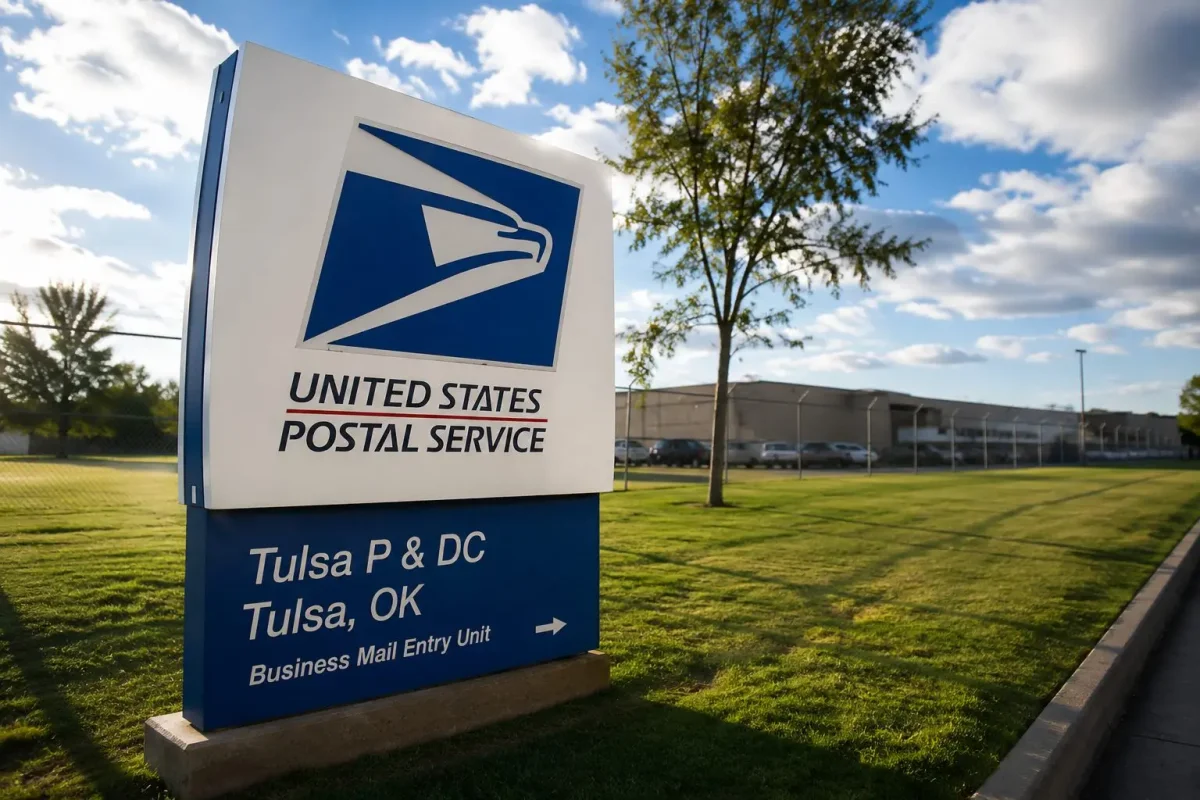
The United States Postal Service (USPS) has confirmed that all post offices and delivery services will be closed on July 4 in observance of Independence Day, with normal operations resuming on July 6. However, services will run as usual on July 3, offering a brief window for last-minute shipments before the holiday. This schedule, while routine, has drawn heightened attention from investors in parcel delivery companies, who are closely monitoring the evolving dynamics of the shipping market.
Market and Shipping Schedules
U.S. equities will be closed on July 3 for the Independence Day holiday, while bond markets, per SIFMA guidelines, will close early at 2 p.m. Eastern on July 2. The Federal Reserve notes that its branches will remain open on July 3, though its Board of Governors will be closed. For parcel carriers, the holiday creates a split in operations: United Parcel Service (NYSE:UPS) will run domestic ground, air, and international deliveries on July 3, with The UPS Store open, but air and ocean freight will not move. On July 4, domestic service halts, stores have limited hours, and only Express Critical remains operational. FedEx (NYSE:FDX) will offer modified service on July 3 and will be closed for regular parcel shipments on July 4, though FedEx Custom Critical will be available both days.
Parcel Revenue Trends
USPS reported that its Shipping and Packages revenue climbed 4.5% in the fiscal second quarter, but volume slipped 1.4%. This divergence highlights a market where higher rates and a shift in product mix are offsetting lower package counts. For investors in UPS and FedEx, the data underscores the growing reliance on USPS for last-mile delivery and economy shipping. The Postal Service's ability to generate more revenue on fewer shipments gives it increased leverage in setting service standards and pricing.
Investor Implications
The holiday schedule is more than a logistical note; it is a reminder of the structural shifts in the parcel industry. UPS disclosed in its 2025 filing a deal with USPS signed in December 2025 to handle final-mile delivery for some Ground Saver and Mail Innovations shipments starting in 2026. This agreement aims to lower costs and reduce volatility in purchased-transportation expenses. Meanwhile, USPS faces its own financial pressures. Postmaster General David Steiner warned in May of a looming "cash crisis," calling for urgent congressional action. CFO Luke Grossmann echoed that management actions alone are insufficient, signaling potential service disruptions if funding issues persist.
FedEx Developments
FedEx is undergoing its own transformation. On July 1, CMA CGM completed the acquisition of FedEx Supply Chain in a $1.4 billion enterprise value deal. FedEx CEO Raj Subramaniam stated that the sale allows the company to focus on high-value verticals, while the partnership with CMA CGM for air and ocean freight will roll out through 2028. FedEx reported fourth-quarter revenue of $25.0 billion, up from $22.2 billion a year ago, though adjusted operating margin slipped to 8.4% from 9.1%. Subramaniam maintained that the company's profitable growth strategy is working.
Market Context
As of 13:07 EDT on July 2, U.S. cash equities were trading normally on the New York Stock Exchange, which will be closed on July 3. Nasdaq Inc. (NASDAQ:NDAQ) also confirmed the market closure. Parcel-related stocks showed mixed performance: UPS rose 0.6% to $110.19, FedEx slipped 0.04% to $313.78, and Amazon.com (NASDAQ:AMZN) gained 1.6% to $245.50. The broader market context includes a focus on how the USPS's financial health and operational changes will affect the competitive landscape for shipping, particularly in the economy segment where low-cost parcel volume is increasingly tied to postal rates.
Looking Ahead
The July 4 shutdown is a routine event, but for parcel investors, it highlights the delicate balance between volume, pricing, and service reliability. With USPS revenue growing on lower volume and both UPS and FedEx adapting their strategies, the coming quarters will be critical in determining how these trends shape the market. Investors will be watching for further data on parcel volumes and pricing, as well as any developments in USPS's financial situation, which could have ripple effects across the shipping industry.