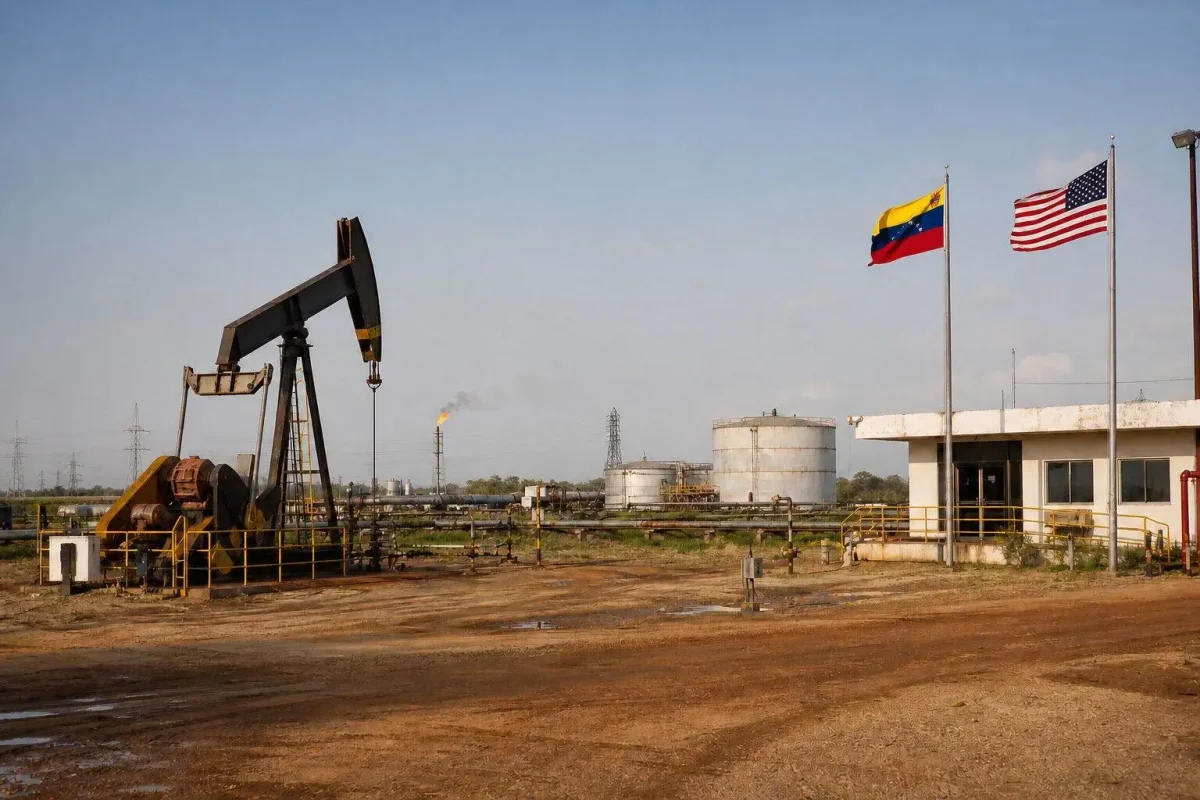
CARACAS – A landmark U.S.-Venezuela oil agreement, announced August 31, 2026, aims to unlock approximately 65 billion barrels of proved reserves across 17 fields under a 100-year concession. The project, backed by the U.S. strategic-capital office and led by NABEP, commits up to $100 billion in new infrastructure spending—a figure that translates to just $1.54 per reserve barrel, excluding lifting, transport, and financing costs.
While the scale is historic, the economic calculus remains challenging. According to Wood Mackenzie, several new Venezuelan projects require Brent crude at $80 per barrel to break even. With Brent trading at $95.68 at 06:05 GMT on September 2—up $15.68, or 16%, above that threshold—the current price environment offers a cushion, but political risk and execution hurdles persist.
Market Context: Oil's Renewed War Premium
Brent surged over $4 on Tuesday, reflecting a renewed geopolitical risk premium. Front-month futures settled at $94.65 on September 1, then climbed to $95.68 by early Wednesday. WTI followed suit, rising from $90.22 to $90.83. The rally underscores how supply concerns, including tensions in the Strait of Hormuz, continue to drive volatility.
The deal's long-term nature means the 65 billion barrels represent future supply, not an immediate boost. Analysts caution that the $100 billion commitment—spread over decades—will require sustained high prices and stable policy to deliver returns.
Chevron's Expanding Role
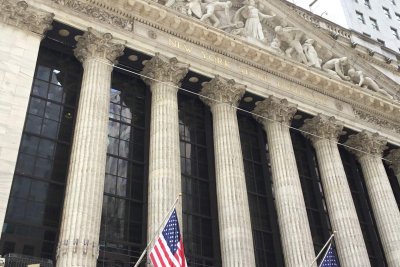
Chevron (NYSE:CVX) is poised to announce a distinct expansion in Venezuela on Wednesday, coinciding with U.S. Energy Secretary Chris Wright's visit. The company already operates significant assets, including a 30% stake in Petropiar and 49% in Petroindependencia. An April asset swap extended Petropiar's development rights to the adjacent Ayacucho 8 area.
Chevron's current Venezuelan output is estimated at 280,000 barrels per day for 2026—roughly 25% of the nation's July production of 1.12 million bpd. The company's stock rose 2.38% on Tuesday to $211.05, though this lagged Brent's 4.6% gain, suggesting investors remain cautious about the deal's near-term impact.
Washington's Strategic Footprint
The White House fact sheet reveals that the U.S. strategic-capital office holds a 35% equity stake in NABEP's parent, with the State Department entitled to purchase up to 20% of production at cost. This offtake right, while distinct from equity, provides Washington with a direct interest in output.
Regulatory barriers have also eased. On August 27, the Treasury revised oil licenses, removing a requirement under U.S. law while preserving designated venues for dispute resolution, according to OFAC.
Industry Skepticism Remains
Despite the diplomatic momentum, major oil companies remain wary. Exxon Mobil (NYSE:XOM) CEO Darren Woods reiterated in January that Venezuela is "un-investable," a stance confirmed by a spokesperson on Tuesday. Legal uncertainties persist: Venezuela's legislature has yet to ratify the deal, and potential policy shifts, inadequate infrastructure, or a downturn in oil prices could strand investments.
The agreement's terms—17 fields, 100-year concession, $100 billion in planned infrastructure, 35% U.S. equity, and 20% cost-price offtake—are ambitious. Yet the unfunded execution risk is substantial. As one analyst noted, converting reserves to revenue requires not just capital, but political stability and operational expertise.
What Investors Watch Next
The Chevron announcement on Wednesday serves as a critical test. Investors need specifics on incremental production targets, capital expenditures, fiscal terms, and the timing of first oil. Without these details, the reserve headline remains just that—a headline.
For now, the market's focus stays on oil prices and geopolitical flashpoints. Brent's premium over breakeven provides some comfort, but as history shows, Venezuelan projects carry unique risks that can erode even the most favorable price decks.