The Cboe Volatility Index, a key measure of expected stock market turbulence often called Wall Street's "fear gauge," advanced on Wednesday, March 18, 2026. The increase ended a brief three-day decline as traders reacted to a dual threat: escalating geopolitical tensions impacting energy supplies and a U.S. wholesale inflation report that exceeded forecasts.
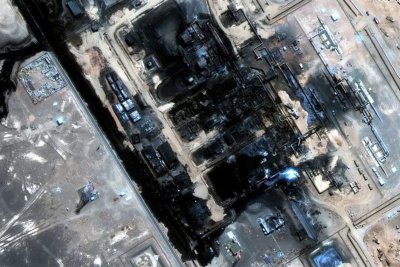
The VIX, which tracks S&P 500 index options, added nearly 3%, closing at a level of 23. This rise indicates investors are paying more for protection against potential swings in the equity market. The move coincided with reports of strikes on a major Iranian gas field, which immediately pressured global energy markets. Concurrently, the Producer Price Index (PPI) data revealed persistent inflationary pressures at the wholesale level, complicating the Federal Reserve's policy outlook.
Oil Market Turmoil Takes Center Stage
Volatility in the energy complex dramatically outpaced that of equities. The Cboe Crude Oil Volatility Index (OVX), which measures expected volatility in oil prices, spiked 15 points last week to reach 120. This marks its highest reading since the initial market chaos of the 2020 pandemic. By Wednesday afternoon, Brent crude futures were trading near $110 per barrel, while U.S. West Texas Intermediate crude hovered just below $98.
Options market activity highlighted the skewed sentiment. Mandy Xu, head of derivatives market intelligence at Cboe Global Markets, noted that call options betting on further price increases in oil were attracting significantly more interest than put options. This positioning suggests a market bracing for continued upside risk in energy prices.
Inflation Outlook Presents a Mixed Picture
The market's interpretation of inflation data appears divided. Short-term inflation expectations, as gauged by the one-year U.S. inflation swap rate, jumped to 3%, reflecting concern over immediate price pressures. However, the longer-term five-year, five-year forward inflation swap rate remained more subdued at 2.35%. This divergence suggests traders believe the current inflationary spike, exacerbated by the energy shock, may be acute but not necessarily permanent.
Angelo Kourkafas, a senior global investment strategist at Edward Jones, pointed to the PPI figures as evidence of stubborn price pressures that existed even before the latest run-up in oil. He added that the fresh surge in energy costs is creating additional complications for the Federal Reserve's efforts to manage inflation.
Capital Flows and Sector Implications
The volatility is driving significant capital movements. Global energy-sector funds have attracted approximately $2.1 billion in inflows so far in March, putting the month on track for the largest inflows since 2014. Among the funds drawing investor interest are the Xtrackers MSCI World Energy UCITS ETF and the iShares S&P 500 Energy Sector UCITS ETF. David Russell of TradeStation characterized this move as a "geopolitical risk trade."
Analysts warn that the situation remains fluid. RBC Capital Markets described the event as more of a black swan for the oil market than for other asset classes but cautioned that U.S. equities could still face a decline of up to 20% if volatility continues to ripple outward from the energy complex. Earlier in the month, investor focus had briefly shifted to the potential for a brief conflict and a swift normalization of flows through the critical Strait of Hormuz.
The disconnect between oil market panic and equity market concern remains notable. Mike Dickson of Horizon Investments warned investors to prepare for more wild swings in oil and gas prices, noting that while the OVX had tripled from its level at the start of the year, the VIX had risen much less. This gap indicates that U.S. stocks may still only be partially pricing in the full impact of the energy market shock.