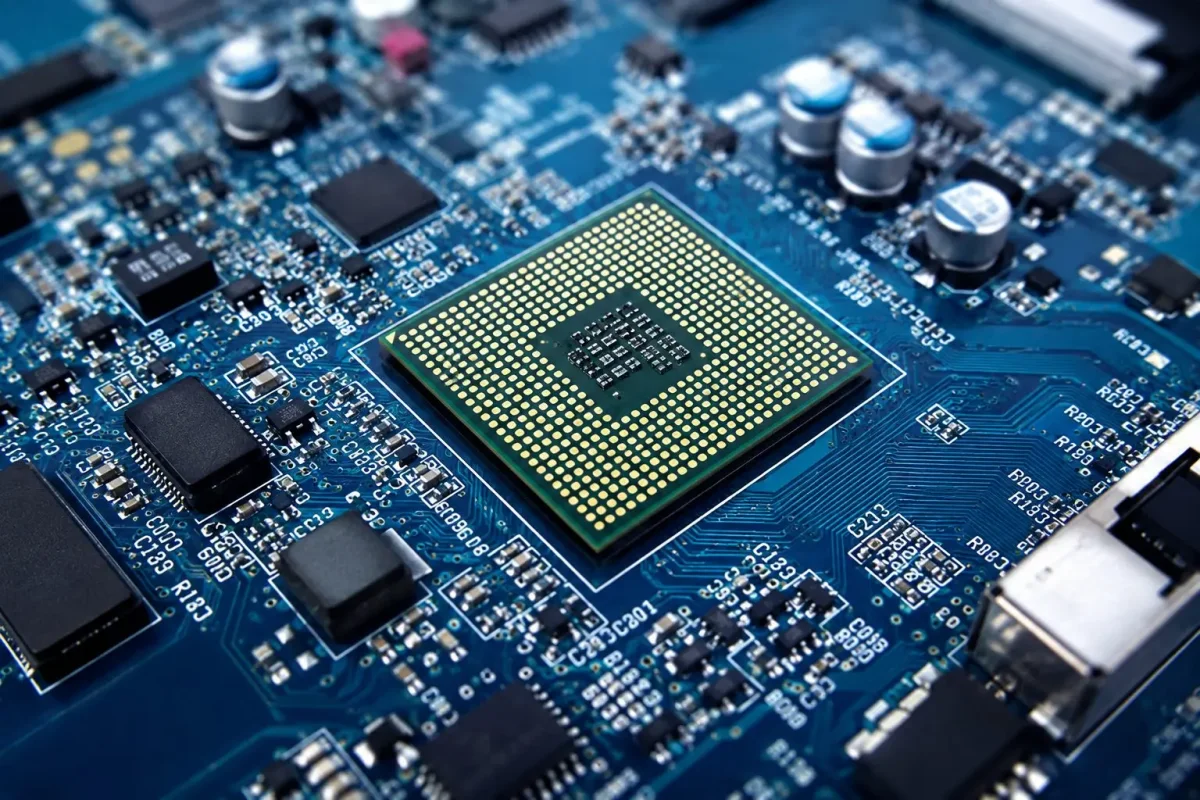
U.S. equities exhibited a mixed start on Monday, July 20, 2026, as technology stocks outperformed while blue-chip shares lagged. The Philadelphia Semiconductor Index climbed 2.5% in early trading, recovering a modest portion of the steep declines recorded since its June 22 all-time high.
According to market data, the chip sector's rebound on Monday clawed back approximately 9.9% of the losses sustained between the recent peak and Friday's close. The index remains about 18.2% below its record high, suggesting the bounce is more of a technical relief rally than a full reversal of the selloff.
Analyst expectations for S&P 500 earnings growth have risen to 26% from a year ago, up from 19.2% on April 1. Of the first 49 companies to report, 90% surpassed estimates. This upward revision in profit forecasts adds pressure on companies to deliver strong results, especially in the technology and semiconductor sectors.
In pre-market action, Nasdaq futures were positive, while oil prices initially gained but later faded. In regular trading, the tech-heavy Invesco QQQ Trust (QQQ) rose 0.64%, while the SPDR Dow Jones Industrial Average ETF (DIA) slipped 0.28%, reflecting the divergence between growth and value stocks.
Shares of Alphabet (GOOGL) advanced 2.93% following news of a new AI accelerator report. Advanced Micro Devices (AMD) gained 3.12% as it expanded its cloud-AI collaboration with Microsoft (MSFT). Tesla (TSLA) fell 1.88% ahead of its quarterly results scheduled for release after the close on July 22. Alphabet’s earnings call is set for Wednesday at 4:30 p.m. EDT, and Intel (INTC) will report on Thursday after the closing bell.
Market breadth showed a slight positive tilt on the NYSE, where advancers outnumbered decliners 1.14-to-1. On the Nasdaq, the ratio was 1.11-to-1, though new lows exceeded new highs, 55 to 31, indicating underlying caution.
“There’s just a little less room for error,” said Jack Herr, senior investment analyst at GuideStone Funds, noting that expectations have increased as the second half of the year begins. The higher earnings bar means disappointing AI outlooks could trigger a renewed selloff in semiconductor stocks.
Oil prices remained a macro headwind, with Brent crude fluctuating between roughly $86 and $91 before settling at $88.17 per barrel. The yield on the 10-year Treasury rose three basis points to 4.58%. Lombard Odier chief economist Samy Chaar commented that ensuring supply security will require increased investment: “To secure anything, you’re going to have to put down the money.”
Key risks include a new escalation in the Gulf that could push Brent back above $90, rising yields that may squeeze technology sector valuations, and disappointing AI results that could renew selling pressure on chip stocks. The chip index remains about 18% below its June high, and investors are seeking proof that AI expenditures are sustaining margins and cash flow.