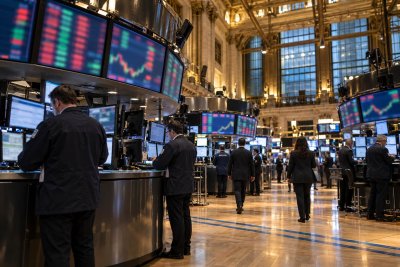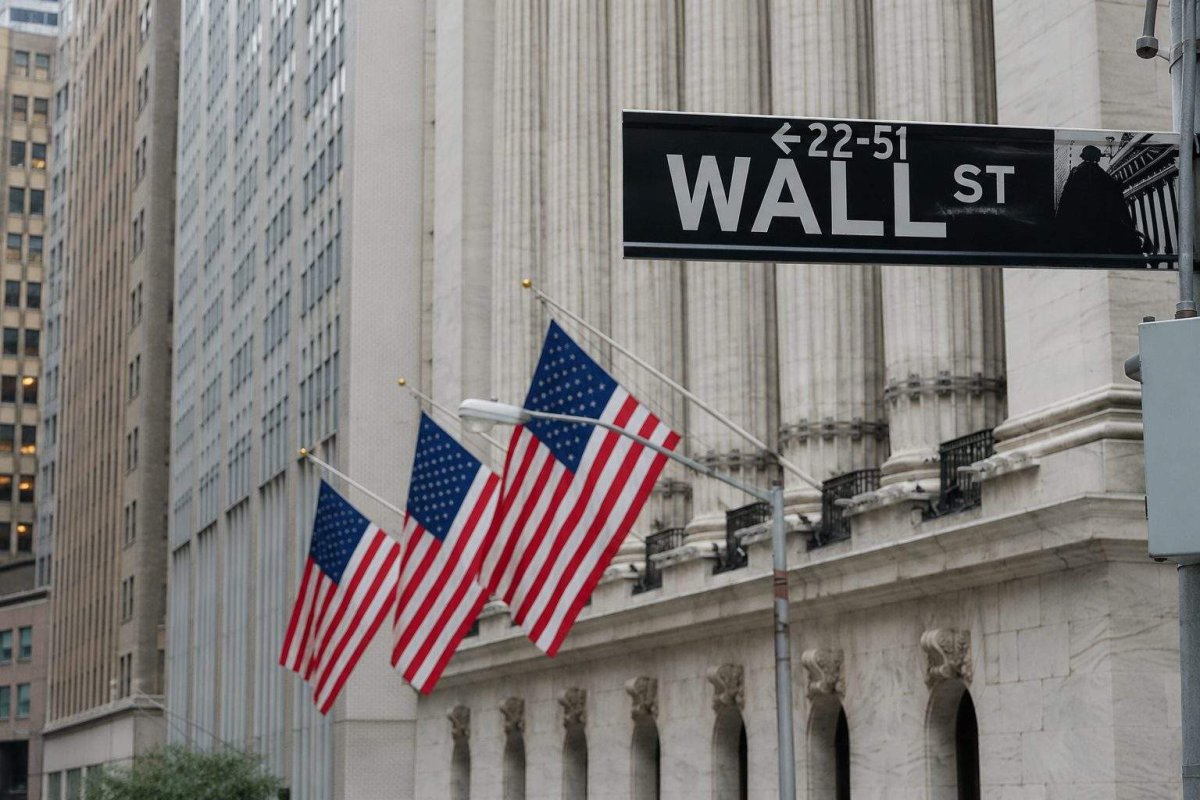
U.S. equities suffered a severe downturn on Friday, with the S&P 500 declining 2.64% to 7,383.74, ending its nine-week winning streak. The Dow Jones Industrial Average dropped 695.15 points to 50,866.78, while the tech-heavy Nasdaq Composite tumbled 4.18% to 25,709.43. The selloff was led by technology stocks, which fell 5.8%—the worst performance among S&P 500 sectors—as investors reassessed the sustainability of the artificial intelligence (AI)-driven rally.
The catalyst for the selloff was a stronger-than-expected May jobs report, which showed U.S. employers added 172,000 jobs, well above forecasts, while the unemployment rate held steady at 4.3%. The data reignited fears that the Federal Reserve may maintain higher interest rates for longer, or even hike rates again, to combat persistent inflation. According to CME's FedWatch tool, markets now see a 42.7% chance of a rate hike by December.
The tech sector bore the brunt of the losses, with U.S.-listed chipmakers losing approximately $1.3 trillion in market value in a single day. The PHLX semiconductor index plunged 10.3%, its worst one-day drop since March 2020, despite having surged 73% year-to-date. Major AI-related stocks such as Nvidia (NVDA), Advanced Micro Devices (AMD), and Broadcom (AVGO) were among the hardest hit, as investors questioned whether the AI trade had become overextended.
Market strategists offered mixed views on the selloff. Ryan Detrick, chief market strategist at Carson Group, described the day as a "dam breaking" after a prolonged rally concentrated in tech and semiconductor stocks. However, Ohsung Kwon, chief equity strategist at Wells Fargo, argued that the selloff was more about positioning than fundamentals, suggesting it was "not the end" for the chip bull market. Carol Schleif, chief market strategist at BMO Private Wealth, noted that a pause after tech's strong run was reasonable, while Anthony Saglimbene at Ameriprise emphasized that the "secular tailwinds of AI still exist."
Investors are now turning their attention to key inflation data due this week. The May Consumer Price Index (CPI) will be released on Wednesday, followed by the Producer Price Index (PPI) on Thursday. Both reports will be closely scrutinized ahead of the Federal Reserve's policy meeting on June 16-17, where the central bank will also release its updated Summary of Economic Projections. A hotter-than-expected CPI reading could exacerbate volatility and reinforce expectations of higher rates.
Adding to the market narrative is the highly anticipated initial public offering (IPO) of SpaceX, Elon Musk's space and satellite company. SpaceX is expected to set its IPO price on June 11 and begin trading on the Nasdaq on June 12, aiming for a valuation of $1.75 trillion and raising $75 billion. The deal has reportedly attracted about $150 billion in demand, nearly double the amount sought. Some analysts, including Jason Pride of Glenmede, question whether the IPO signals "market froth," while others see it as a potential test of investor appetite for high-growth stories beyond AI.
The tech earnings calendar also looms large. Oracle (ORCL) and Adobe (ADBE) are both scheduled to report earnings this week, providing a reality check for the sector. Tech stocks now account for a record 39% of the S&P 500's market capitalization, according to Reuters. Oracle shares have gained over 9% year-to-date, while Adobe has declined 28%.
The broader market context includes concerns that a combination of sticky inflation, rising Treasury yields, weak software outlooks, and a SpaceX debut that diverts capital from existing winners could create headwinds. If the CPI data fails to ease rate concerns, Kwon warned of potential "volatility into the Fed" meeting. Despite the selloff, the S&P 500 remains up about 8% year-to-date, having rallied 16% from its late-March low.