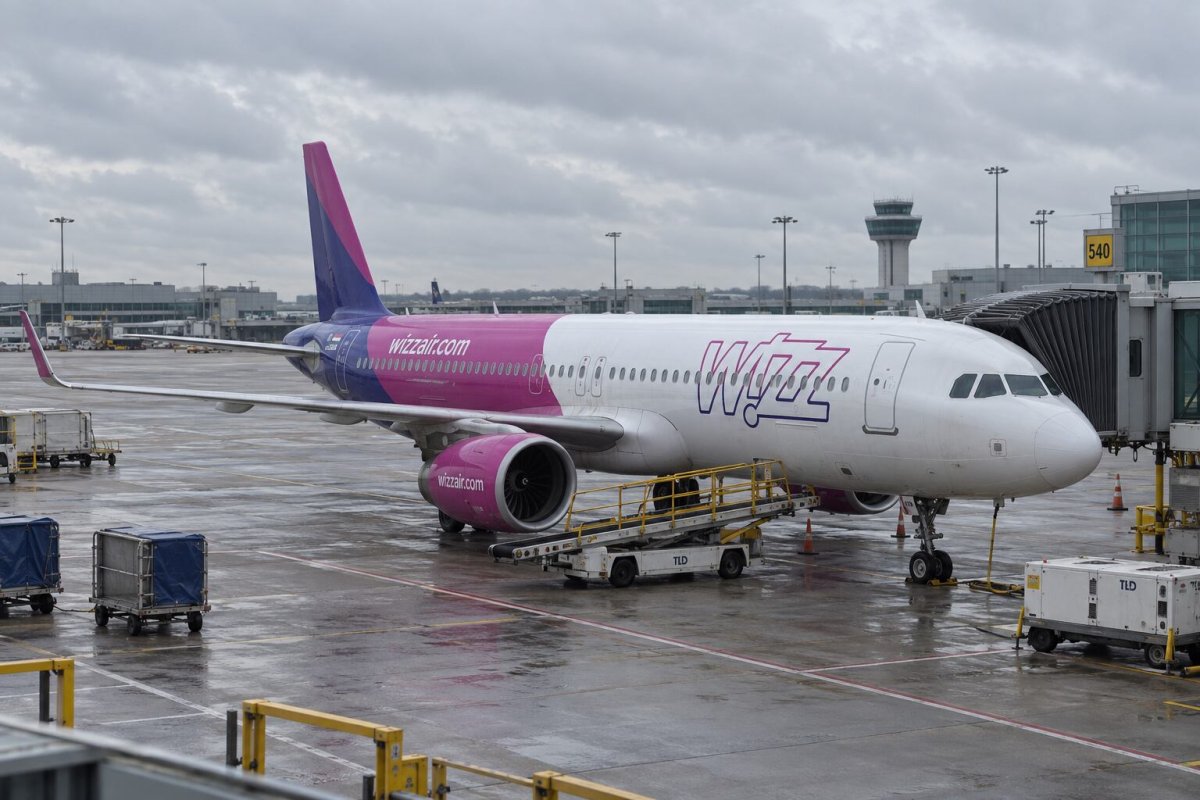
Wizz Air Holdings plc (LON: WIZZ) saw its shares decline 3.7% on Wednesday, closing at 1,014 pence, as the UK's aviation network continued to grapple with the fallout from the September 8 NATS systems outage. The decline reflects investor uncertainty about the financial impact, though the airline has yet to disclose the number of cancellations or quantify the earnings hit.
The disruption struck at a particularly inopportune moment for the Budapest-based carrier, which is striving to translate robust passenger growth into improved unit economics. NATS reported that its flight-data processing issue was resolved by Tuesday evening, but aircraft and crew positioning remained disrupted into Wednesday, with nearly 1,000 flights affected across the UK on Tuesday, according to Reuters.
Wizz Air has joined other airlines in calling for urgent reform of the air traffic control system, arguing that carriers and passengers should not continue to bear the consequences of recurring failures. The company described the current system as "not fit for purpose." A previous major NATS outage in 2014 cost the industry over £100 million, Reuters noted.
Financial Exposure: Compensation vs. Recovery Costs
The actual cost to Wizz Air is likely to be substantial but may not reach worst-case scenarios. The UK Civil Aviation Authority (CAA) indicated on September 9 that delays and cancellations caused by the outage, including knock-on effects, likely qualify as "extraordinary circumstances," meaning passengers are not entitled to statutory compensation. However, airlines are still required to offer refunds or rerouting and provide meals, refreshments, and accommodation while passengers wait.
Beyond passenger care, Wizz Air may incur additional costs from crew scheduling, airport fees, aircraft repositioning, and schedule recovery. The net exposure hinges on the number of its own cancellations, the speed of network normalization, and potential claims against NATS. None of these figures were publicly available before Thursday's market open.
Margin Pressure: Why This Outage Matters More
Demand remains robust—Wizz Air carried 8.70 million passengers in August, up 25.9% year-over-year, with a 95.6% load factor. However, volume growth has not translated into profit growth. In the June quarter, passenger numbers rose 25.1% and revenue increased 5.5% to €1.51 billion, but revenue per available seat kilometre fell 8.1%. EBITDA nearly halved to €147.4 million, and the company posted an operating loss of €183.3 million. Fuel costs surged 39%, while airport, handling, and en-route charges rose 16%.
For a carrier expanding capacity at a mid-20% pace, operational reliability is critical. Each disrupted seat cannot be resold, passenger-care costs are non-revenue, and displaced aircraft can impair the next day's schedule. This outage, though externally caused, adds to the margin pressure the company is already facing.
September 17: The Real Catalyst for WIZZ Stock
The recent selloff should be viewed as a cautionary signal rather than proof of long-term damage. Wizz Air ended June with €2.21 billion in cash and a 99.9% completion rate in the quarter, providing liquidity and a proven recovery capability. Additionally, the company expects Pratt & Whitney GTF-related groundings to decrease from 27 aircraft on June 30 to 15–20 by fiscal year-end.
Investors will gain clearer insight at Wizz Air's Capital Markets Day on September 17. Key questions include how management plans to stabilize revenue per seat while capacity grows, whether ex-fuel unit cost control can offset operational and airport cost pressures, and how quickly leverage can retreat from the 4.4 times net-debt-to-EBITDA level reported for June.
The bull case rests on high load factors, a young fleet, and fewer grounded aircraft, which could convert strong traffic into better cash generation. The bear case is equally compelling: capacity is growing faster than revenue, leaving the bottom line exposed to fuel spikes, air traffic failures, or weak fare periods. A quantified NATS impact would help, but the September 17 margin and leverage framework will be far more telling about whether 1,014 pence represents an opportunity or another step in a difficult reset.
