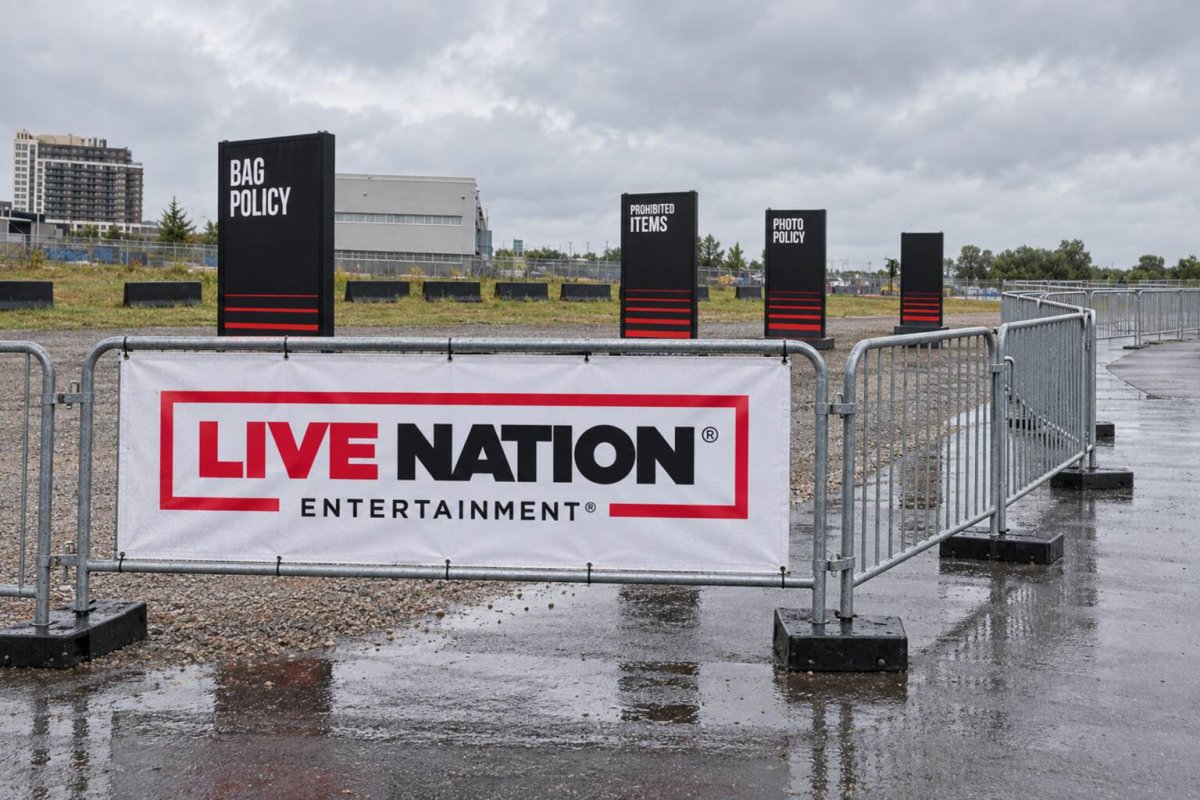
Live Nation Entertainment's cancellation of AC/DC's September 16 concert at Rogers Stadium in Toronto has triggered automatic ticket refunds and an unquantified stadium rebuild bill. While the single event is unlikely to materially dent the company's earnings—Rogers Stadium holds 50,000 fans, a fraction of the 49 million served in the second quarter—the incident raises larger questions about insurance coverage, partner cost-sharing, and the return profile of Live Nation's expanding venue portfolio.
Market Reaction and Context
Live Nation shares closed Wednesday at $169.99, down 0.27% from the prior session, according to Yahoo Finance data. That muted move, which occurred before the company's evening cancellation announcement, should not be interpreted as a complete market verdict on costs that remain undisclosed. Investors are still awaiting clarity on who pays for the damage and whether the event will have a broader financial impact.
What Happened at Rogers Stadium
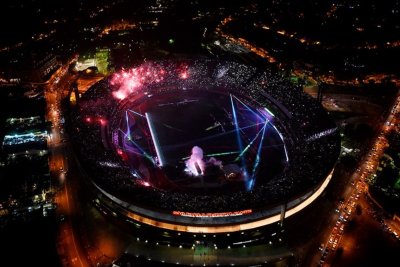
The AC/DC show, which was scheduled as the finale of Rogers Stadium's summer season, was formally canceled after engineers assessed damage from a storm the previous week. Live Nation said affected venue sections must be removed and rebuilt, making it impossible to host fans for the concert. The company, working with the City of Toronto, aims to have the venue ready by next summer, limiting the currently identified lost-event count to one rather than an open-ended series of cancellations.
Rogers Stadium, a seasonal outdoor venue with a 50,000 capacity, was described by Rogers and Live Nation as a purpose-built concert destination when it was announced. Reports before the cancellation indicated the AC/DC show was sold out.
Refunds vs. Earnings Impact
Investors should resist the temptation to multiply capacity by an assumed ticket price. Gross ticket value is not Live Nation's net revenue; artist settlements, fees, vendor contracts, sponsorships, insurance, and venue-sharing arrangements determine the final loss. None of these event-level terms have been disclosed.
Refunded cash may also have been held as event-related deferred revenue rather than recognized as profit. Live Nation ended the second quarter with a record $6.4 billion of event-related deferred revenue. Returning one event's ticket proceeds can reduce cash and future revenue without producing an equivalent charge to already reported income.
The Rebuild Cost: The Harder Variable
The stadium rebuild is the more significant financial unknown. Live Nation has not stated who bears the remediation expense, what insurance will cover, or whether the stadium partnership allocates storm losses to another party. Until those facts emerge, any precise cost estimate would be speculation. The company's second-quarter results show the scale difference: group revenue rose 9% to $7.7 billion, operating income increased 7% to $522 million, and adjusted operating income reached $817 million. The concerts segment alone generated $6.4 billion of revenue from 49 million fans.
A capacity crowd at Rogers Stadium represents roughly 0.1% of that quarterly fan count. That comparison does not make the cancellation painless—a sold-out stadium date carries high fixed production costs, and rebuilding temporary grandstands may cost more than the lost show—but it explains why the event needs a secondary effect, such as uninsured remediation, additional cancellations, or a broader safety review, to become material at the group level.
Management Outlook and Investor Watchlist
Management said in July that cancellation rates remained at historical levels and forecast 10% full-year attendance growth, including double-digit growth at operated venues. The Toronto event challenges the venue-level execution story, but it does not yet contradict the global demand data.
Investors should watch for the first meaningful disclosure: cost allocation—insurance recovery, partner contributions, and Live Nation's own rebuild spending. The second is timing. A confirmed reopening before the 2027 summer calendar would contain the revenue impact; slippage into next season would broaden it. Future filings may also identify the event as a material loss, show unusual reversals of deferred revenue, or reveal whether concert-segment adjusted margins absorb higher venue costs. These are more informative than the face value of refunded tickets.
The cancellation is a negative operational fact, but not by itself a reason to rewrite Live Nation's earnings outlook. That judgment changes if the rebuild is uninsured, if more events move, or if regulators demand wider remediation. Until then, the real shareholder question is who pays for the stadium—not how many tickets Ticketmaster refunds.