Tenon Medical's stock is experiencing extreme volatility, behaving like two different securities in consecutive sessions. On Wednesday, TNON closed at $2.44, down 27.38%, after the company announced it had repaid $5.16 million of convertible notes. By 5:15 a.m. EDT Thursday, shares were trading near $3.47 in premarket—up roughly 42% from the close.
The dramatic price swings have left investors questioning whether the debt repayment truly de-risks the company. While the repayment eliminates one particularly unfavorable source of dilution, it does not remove overall dilution risk. A late-August financing created a much larger pool of pre-funded and conventional warrants, and the medical-device maker continues to burn cash.
Why TNON Fell After Good News
Tenon's September 9 announcement revealed it had repaid original-issue-discount senior convertible notes before their September 11 maturity. The notes, issued in March for $4.3 million in gross proceeds, had $5.16 million in principal. Clearing them eliminated the holder's ability to convert at a discount to market prices—a move that is genuinely beneficial for existing shareholders.
Discount-based conversion can create a feedback loop: a lower share price produces more conversion shares, which can add selling pressure and lead to still more shares. Repayment closes that route. Yet the stock opened at $3.44, reached $3.67, then slid to a $2.40 low and finished just four cents above it. Trading data shows 12.72 million shares traded versus 1.03 million common shares outstanding on August 31—more than 12 times the basic share count. That is trading churn in a micro-cap, not a calm repricing of future cash flows.
The early Thursday rebound is just as fragile. The $3.47 premarket quote came from delayed market data and can move sharply before Nasdaq's opening auction. It reverses less than half of Wednesday's dollar loss from the prior $3.36 close.
The New Warrants Matter More Than the Retired Notes
On August 31, Tenon closed a $3.0 million private placement. Its SEC filing shows 597,610 pre-funded warrants sold at $5.019 apiece and Series A warrants covering another 1,058,517 shares. The Series A warrants have a $5.02 exercise price and a five-year life.
A pre-funded warrant is economically close to common stock because nearly all of its purchase price has already been paid; exercise costs only $0.001. Those 597,610 instruments alone equal 57.9% of Tenon's August 31 common-share count. Add the Series A warrants and the new instruments cover 1.66 million shares, or 160% of the shares then outstanding.
If every new instrument were exercised, the share count would reach at least 2.69 million before considering older warrants, preferred stock, options and restricted units. The Series A exercises could deliver about $5.31 million of cash, but only if holders choose to pay a strike price that is currently well above the stock. The pre-funded warrants would bring in virtually no additional cash.
Tenon's resale prospectus, effective this month, registers the shares behind those instruments. Registration does not mean all will be sold immediately, but it does make the overhang visible and tradable.
A .5 Million Equity Value—and a Cash Question
At Wednesday's close, the 1.03 million basic shares implied a market capitalization of about $2.52 million. At the 5:15 a.m. premarket price, it was roughly $3.58 million. Both figures understate the economic equity base because they exclude the nearly fully paid pre-funded warrants.
The cash bridge is more important. Tenon had $1.68 million of cash on June 30. A July public offering subsequently delivered approximately $3.62 million of net proceeds, and the August private placement raised $3.0 million before fees. The company then used $5.16 million to repay the notes. Tenon has not disclosed a current cash balance after the repayment, and operating activity continued during July and August.
The latest quarterly report explains why that missing number matters. Revenue more than doubled to $1.28 million in the June quarter, and gross margin improved to 63.6% from 43.4%. But operating loss widened to $3.35 million, net loss reached $4.05 million, and cash used in operations was $5.72 million for the first half.
Management said there was substantial doubt about Tenon's ability to continue as a going concern and that the June cash plus July financing would not fund 12 months of obligations. The August raise and note repayment changed the balance sheet, but they did not demonstrate self-funding operations.
What Would Make the Rebound Durable
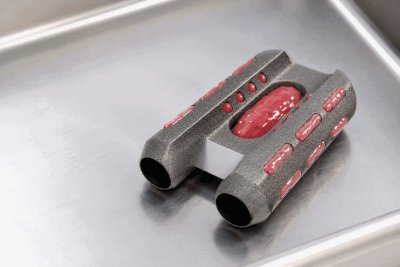
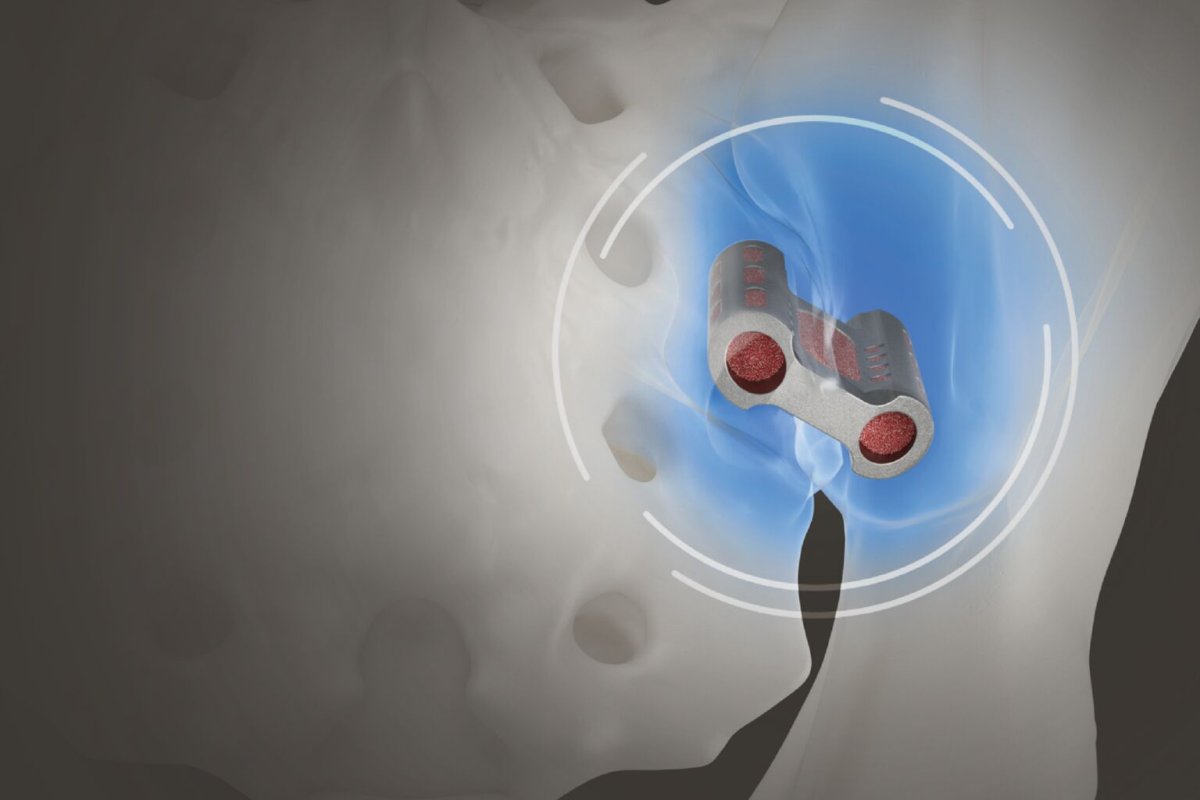
The bull case is not purely speculative. Tenon's Catamaran SI Joint Fusion System is generating real growth, and higher volume is absorbing manufacturing overhead. If quarterly revenue keeps compounding while gross margin holds above 60%, the operating loss can narrow quickly from a small base.
Three disclosures will decide whether that operating progress reaches common shareholders: cash remaining after the note payoff, exercise or sale activity in the new warrants, and the September-quarter filing. Nasdaq restored Tenon's compliance with its $2.5 million stockholders' equity rule in July based on a financing, but warned that the company must evidence compliance in the report for the quarter ending September 30 or face possible delisting proceedings.
Until those numbers arrive, calling TNON “de-risked” is premature. One convertible liability is gone. The need for capital—and the possibility that new capital arrives through more shares—remains the central fact behind both the 27% plunge and the 42% premarket bounce.