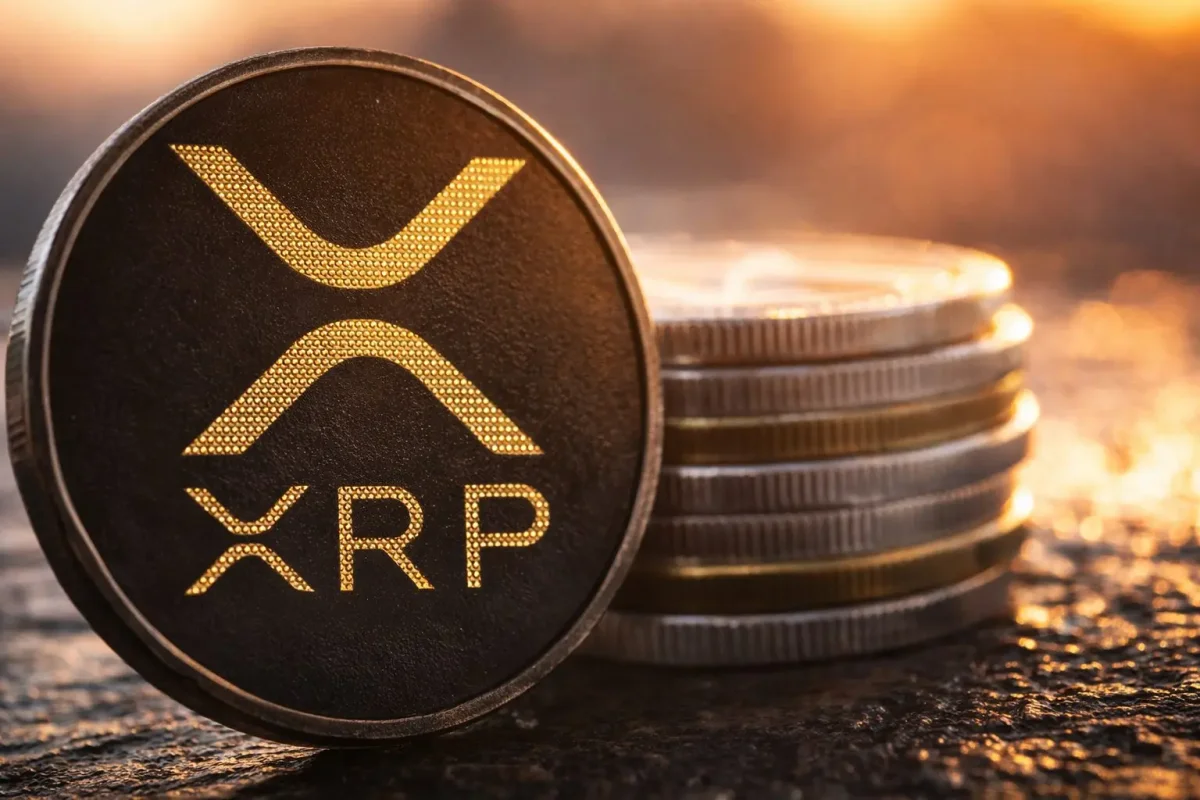
The digital asset XRP experienced a notable decline on Tuesday, March 3, 2026, dropping 2.4% over a 24-hour period to a price of approximately $1.36. According to data from CoinGecko, the token traded within a range of $1.34 to $1.40 during the session. XRP's market capitalization hovered near $83 billion, with trading volume over the past day reaching roughly $3.0 billion.
Geopolitical Jitters Drive Broad Risk-Off Move
The pullback in XRP and the broader cryptocurrency market coincided with escalating tensions in the Middle East. A widening conflict involving U.S. and Israeli strikes on Iran drove oil prices higher and triggered a sell-off in global equity markets. This environment prompted traders to reduce exposure to risk assets, including cryptocurrencies. "The market is concerned that the US is getting pulled deeper into this conflict," noted Tim Ghriskey, a senior portfolio strategist at Ingalls & Snyder. The flagship cryptocurrency, Bitcoin, mirrored the downward trend, falling 1.35% to $68,496.40.
Ripple Announces Platform Expansion
Amid the market volatility, Ripple, the company closely associated with XRP, made a significant product announcement. The firm revealed it has expanded its Ripple Payments platform to handle collections and payouts in both traditional fiat currencies and stablecoins. A key part of this expansion is the positioning of its own dollar-pegged stablecoin, RLUSD, alongside XRP as core assets on the platform. Stablecoins are digital tokens designed to maintain a stable value, typically by being pegged to a reserve asset like the U.S. dollar.
"Success in this space requires enterprise-grade infrastructure, extensive licensing, and deep liquidity," stated Monica Long, President of Ripple, in the announcement. This strategic move aims to bolster Ripple's offerings in the cross-border payments and enterprise liquidity sectors.
Regional Capital Flight Evident
Signs of financial stress emerged clearly in regional capital flows following the military strikes. Blockchain analytics firm Chainalysis reported that approximately $10.3 million worth of cryptocurrency exited Iranian digital asset exchanges between Saturday and Monday. The outflows began after U.S. and Israeli operations against Iran commenced over the weekend. Elliptic, another analytics provider, flagged a sharp spike in withdrawals from Nobitex, Iran's largest crypto exchange.
Chainalysis suggested that a portion of this activity was "almost certainly ordinary Iranians moving funds in response to rising risk," highlighting how geopolitical events can trigger capital movement in the crypto ecosystem.
Market Fault Line: Threats to Shipping
The conflict introduced a major new risk to global markets through threats to critical shipping lanes. Iranian officials issued stark warnings regarding the Strait of Hormuz, a vital chokepoint for global oil shipments. "The strait (of Hormuz) is closed," declared Ebrahim Jabari, a senior adviser to the Revolutionary Guards commander-in-chief, in remarks carried by Iranian state media. He added that Iran would fire on any ship attempting to pass, raising the specter of a significant disruption to energy supplies.
XRP's Dual Narrative: Payments vs. Macro
For XRP, the current dynamic represents a familiar tug-of-war. Positive developments from Ripple, such as platform expansions, can provide a fundamental boost to sentiment. However, these catalysts are often overwhelmed by broader macroeconomic shocks, particularly those affecting risk appetite, energy prices, and inflation expectations. The token's 24/7 trading nature can amplify rapid capital movements when traditional markets like oil, interest rates, and the U.S. dollar experience volatility.
While XRP's long-term appeal to many investors is tied to its utility in payments infrastructure, this narrative frequently takes a back seat when traders are aggressively pricing in war risk and inflationary pressures.
Market Outlook and Potential Catalysts
The immediate path for crypto markets appears tied to developments in the Gulf region and the trajectory of oil prices. Analysts warn that crypto's high market beta—its tendency to magnify broader market moves—works in both directions. If the conflict persists and energy prices remain elevated, market liquidity could thin rapidly, leading to exaggerated downside moves, especially in large, highly traded tokens like XRP and Bitcoin.
Market participants are also awaiting policy responses from Western governments. A Reuters report indicated that U.S. Treasury Secretary Scott Bessent and Energy Secretary Chris Wright were expected to announce plans to mitigate the oil price shock on Tuesday. The market's next major catalysts will likely be the real-time tape of geopolitical developments, further data on capital flows, and any coordinated policy action to address energy market instability.