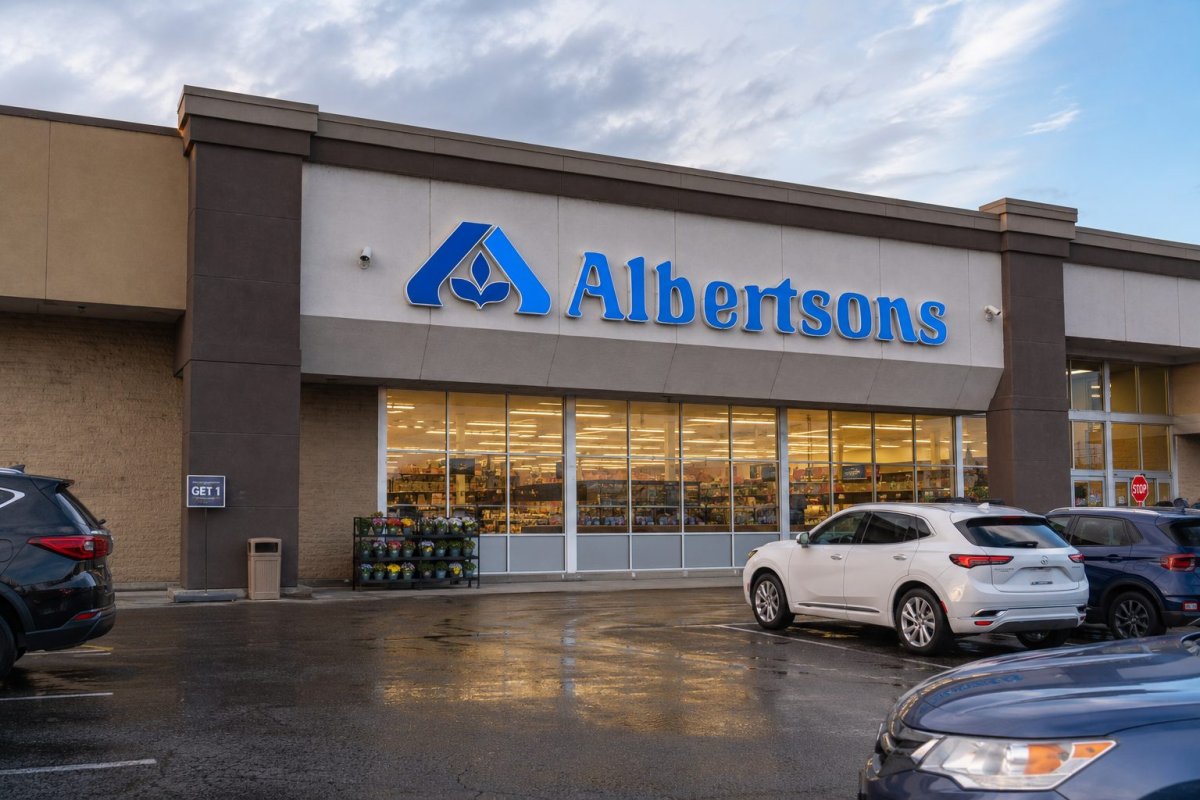
Albertsons Companies (NYSE: ACI) has announced the closure of at least 12 stores in 2026, a move that represents only 0.54% of its total 2,240 locations. The closures come as the grocery chain grapples with a sharp decline in profitability, reporting a 64% drop in first-quarter net income. This strategic reduction, while modest in scale, underscores the broader challenges facing the traditional grocery sector.
Financial Performance and Guidance
For the first quarter of fiscal 2026, Albertsons reported net income of $84.7 million, down significantly from $236.4 million in the same period last year. Adjusted earnings per share fell 23.6% to $0.42, and adjusted EBITDA declined 8.8% to $1.013 billion. The company also lowered its full-year adjusted EPS guidance by approximately 21%, now expecting between $1.75 and $1.85, down from the previous range of $2.22 to $2.32.
Revenue inched up 0.2% to $24.94 billion, but identical sales (comparable store sales) declined 0.8%, a stark reversal from the +2.8% growth seen a year earlier. Gross margin contracted by 50 basis points to 26.6%, pressured by higher delivery expenses and increased selling and administrative costs. Digital sales growth slowed to 13% from 25% in the prior year, though pharmacy operations remained steady.
Store Closures and Restructuring
The 12 closures are a fraction of the company's overall footprint. In fiscal 2025, Albertsons shuttered 35 stores, more than triple the 10 closures in fiscal 2024, while opening nine new locations. Expenses related to closed or surplus properties surged to $45.1 million, nearly three times the $15.9 million recorded previously. The net impact on fiscal 2025 sales from these closures was $63.4 million, minimal compared to annual group revenues.
CEO Susan Morris acknowledged the disappointing results, stating, "While these results did not meet our expectations, they underscored the need to move faster." In response, the company introduced ACI Edge, a restructuring initiative that consolidates 11 operating divisions into four regional groups and unifies center-store merchandising. This broader reorganization goes beyond the closure of a dozen sites, aiming to improve operational efficiency and customer focus.
Market Context and Competitive Pressures
Albertsons faces intense competition from discounters and e-commerce giants. Walmart (NASDAQ: WMT), Amazon (NASDAQ: AMZN), and Aldi have been capturing market share from traditional grocers. Kroger (NYSE: KR) has also announced plans to close 60 underperforming stores. The pricing pressure has forced Albertsons to invest more in competitive pricing, which further squeezes margins.
The company's stock closed at $12.42 on August 14, down 38% from its 52-week high and 7.6% below the average analyst target of $13.36. During the quarter, Albertsons spent $226.5 million to repurchase 13.4 million shares at an average price of $16.90, but the stock has since fallen 26.5% below that level. The board maintains a $2.0 billion share buyback authorization, and capital expenditures totaled $522.1 million, funding four new store openings, 15 remodels, and digital initiatives.
Analyst Sentiment and Outlook
Wall Street analysts are divided on Albertsons' prospects. Of 15 analysts, four rate the stock a Buy, nine recommend Hold, and two suggest Sell. Recent price targets range from $10 (Morgan Stanley) to $17 (Roth MKM), with Citi and UBS holding at $11 and $12, respectively. The average target implies limited upside from current levels.
Key risks include the potential for additional store closures, ongoing margin pressure from pricing investments, and the success of the ACI Edge restructuring. Conversely, faster regional execution or improved digital performance could make current guidance overly conservative. For now, the 0.5% reduction in store footprint does little to offset the 64% decline in profit, leaving investors focused on whether ACI Edge can revive traffic and margins.