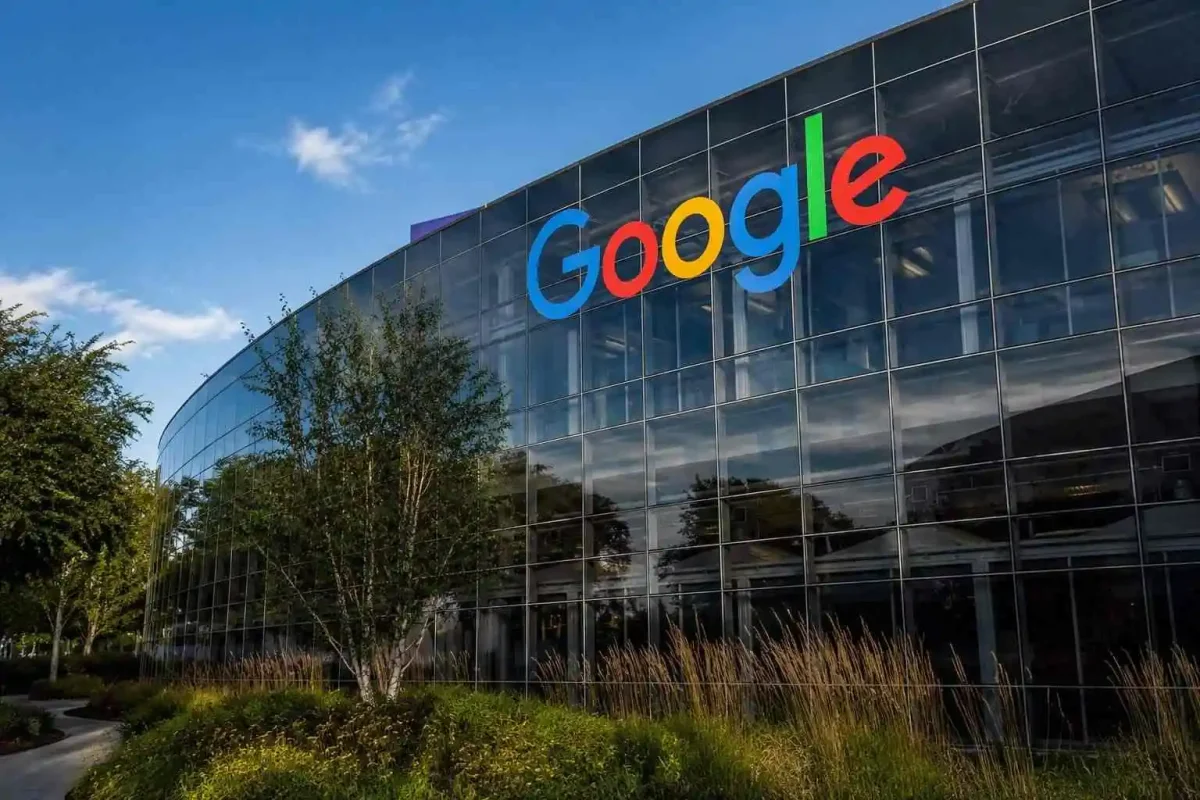
Alphabet Inc. (GOOGL) has placed an order for more than 3 million tensor processing units (TPUs) from Intel Corp. for delivery in 2028, according to a report from The Information. The move underscores the Google parent’s aggressive push to bring its AI chip production further in house as it scales infrastructure to support rapid growth in artificial intelligence capabilities. Reuters noted it could not independently verify the report.
Wall Street is closely watching whether this accelerating AI ramp will compress profit margins. Piper Sandler raised its price target on Alphabet to $445 from $425, citing strong gains from Google’s AI-assisted search features. The firm’s analyst Thomas Champion conducted a first look at citation data in Google’s AI Overview and AI Mode tools, which organize or answer search queries using AI. The analysis found that citations in AI-powered search have surged roughly 16 times since early 2025, with Alphabet properties, including YouTube, capturing a 19.2% share of those citations. Piper Sandler subsequently lifted its search revenue estimates for 2026 by 1% and for 2027 by 5%, though it cautioned that citations do not directly equate to query or revenue growth.
UBS, however, maintained a neutral rating on Alphabet with a $410 price target. The bank raised its Google Cloud revenue forecasts by approximately 24% for 2026 and 34% for 2027, but warned that moving the Cloud TPU backlog into revenue more quickly could pressure margins. UBS flagged that as revenue skews more heavily toward TPUs, it could begin to resemble low-margin hardware rather than high-margin software, potentially pushing Google Cloud’s operating margin down to 27.3% by 2027.
Alphabet’s first-quarter results have fueled the debate. Revenue climbed 22% to $109.9 billion, with Google Cloud revenue jumping 63% to $20.0 billion and posting a 32.9% operating margin. The company reported a Google Cloud backlog of $462 billion, saying just over half should convert to revenue over the next 24 months. CEO Sundar Pichai told investors in April that the company’s “AI investments and full stack approach” are driving growth, noting that Search revenue rose 19% and the Cloud backlog almost doubled.
To finance this massive AI buildout, Alphabet boosted its equity offerings to $84.75 billion last week, up from an initially planned $80 billion. The company also raised its 2026 capital expenditure outlook to between $180 billion and $190 billion and indicated that spending in 2027 would climb much higher. The equity raise comes as big tech firms compete fiercely for data center space and AI computing resources.
Alphabet shares recently traded at $362.21, down $6.32, while Intel shares jumped following the chip order report. Nvidia, which still leads in AI chips, also moved higher as investors watch the AI supply chain. The broader market is focused on the race to diversify chip manufacturing away from its heavy concentration at Taiwan Semiconductor Manufacturing Co. (TSMC). Jacob Bourne, technology analyst at eMarketer, told Reuters, “AI’s biggest players are racing to diversify a supply chain still heavily concentrated in TSMC.” D.A. Davidson’s Gil Luria noted that both Google and Nvidia now have extra incentive to work with Intel, saying “supporting Intel supports U.S.-based manufacturing,” which aligns with Washington’s push to boost domestic chip output.
The key question for investors is whether higher AI usage in Search and Cloud will actually add to earnings or simply drive up infrastructure spending. Seeking Alpha’s Rick Orford called Alphabet a “Strong Buy” on June 3, arguing that the stock’s cloud backlog and AI efforts are not yet fully priced in. However, if TPU sales boost revenue at the cost of weaker Cloud margins, or if AI-powered search fails to generate expected returns, the $84.75 billion equity raise could signal that the AI push is consuming more capital than Alphabet’s strong cash flow can handle.