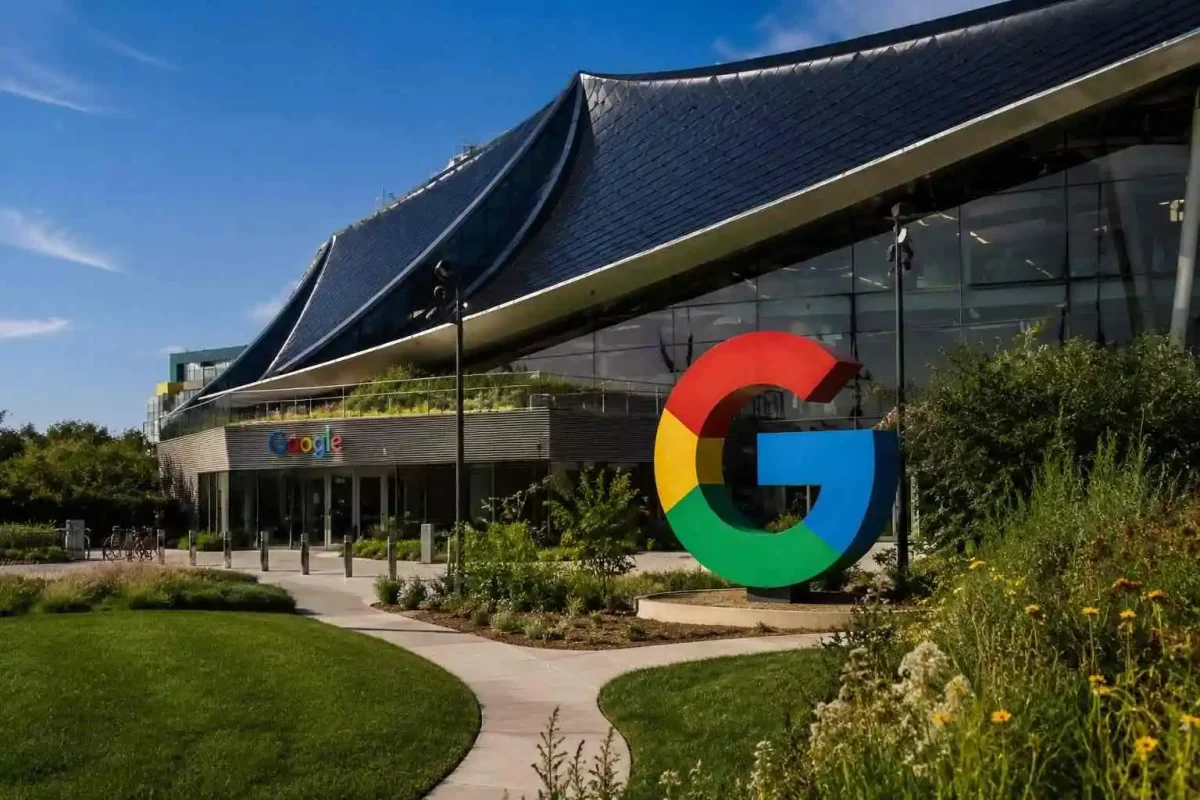
Alphabet Inc. (NASDAQ:GOOGL) shares were trading at $362.04 in premarket action on July 8, 2026, reflecting a 1.36% decline from Tuesday's closing price of $367.03. The dip comes as investors grapple with the company's ambitious capital expenditure plans for artificial intelligence, which are projected to reach between $180 billion and $190 billion in 2026. This spending is roughly triple the company's trailing twelve-month free cash flow of $64.4 billion, raising questions about the sustainability of returns.
The central debate on Wall Street is whether Alphabet can convert its massive AI outlays into tangible cash flow before the pressure from debt, stock dilution, and legal costs weighs on its valuation multiple. The company's Q1 results offer a mixed picture: Search paid clicks rose 13% year-over-year, while cost-per-click increased by 5%. Google Cloud's backlog swelled to an impressive $462 billion, with more than half expected to be recognized within the next 24 months. These metrics are the primary signals of potential payoff from the AI investments.
Alphabet's funding strategy has become a focal point. The company reported Q1 capital expenditures of $35.7 billion and has issued over $85 billion in debt recently, pushing total debt beyond the $100 billion mark. This is part of a broader trend among tech giants. Amazon.com Inc. (NASDAQ:AMZN) announced on July 7 a $25 billion bond sale aimed at AI investments. Reports from Reuters indicate that Amazon, Alphabet, Microsoft Corp. (NASDAQ:MSFT), and Meta Platforms Inc. (NASDAQ:META) could collectively spend over $700 billion on AI this year. The market is now evaluating these AI frontrunners based on funding pressure rather than just product launches.
Despite the premarket decline, Alphabet's stock retains strong analyst support. According to Google Finance, the company has received 10 buy ratings and no holds or sells from analysts in the last three months, with an average 12-month price target of $440. TD Cowen's John Blackledge reiterated a Buy rating on July 8 with a $475 target. However, such bullish targets imply that Alphabet's capital expenditures must outperform its rising funding costs to justify the valuation.
Alphabet's valuation metrics show it trading at a price-to-earnings ratio of 28.0, based on earnings per share of $13.11, with a market capitalization of $4.45 trillion. This places it close to Amazon (P/E 29.4) and NVIDIA (P/E 30.0), leaving little room for error if capital spending continues to outpace clear cash returns for several quarters. The company's operating cash flow over the twelve months to March 31 was $174 billion, but the $15.6 billion short-term legal and regulatory accrual highlights ongoing cash pressures.
From a technical perspective, the premarket price of $362.04 sits below the 5-day moving average of $368.92 and just under the 200-day moving average of $363.43. The 14-day Relative Strength Index (RSI) is at 58.321, and the Moving Average Convergence Divergence (MACD) is at 3.850, levels that do not indicate panic selling. If the stock closes below the 200-day average, the narrative could shift from sector rotation to funding risk. Conversely, a move back above the $369.27 pivot could signal dip-buying interest.
Alphabet's inclusion in the Dow Jones Industrial Average on June 29, replacing Verizon Communications Inc. (NYSE:VZ), adds another dimension. With its stock price near $360, Alphabet now carries significant weight in the price-weighted index. Some portfolio managers view this as a more direct AI capex play within benchmark-tied funds, potentially altering demand dynamics, though it does not fully control trading action.
Management remains optimistic about returns. CEO Sundar Pichai emphasized a return on invested capital (ROIC) approach, though he acknowledged that Google Cloud is currently "compute constrained in the near term." CFO Philipp Schindler noted that search queries continue to grow, pointing to "upside in that coverage number" for ads. These comments underpin the bull case: more queries lead to more monetization opportunities and increased cloud demand. However, with capital expenditures projected to triple free cash flow, the market is watching closely for evidence that these investments will generate the promised returns.