Amazon's ambitious satellite internet project, formerly known as Project Kuiper, has been rebranded as Amazon Leo, signaling a new phase in its quest to challenge SpaceX's Starlink. The company has announced that it will begin limited fixed-broadband service before the end of 2026, but as of now, it has not disclosed pricing, initial service areas, or a consumer-ready product. This leaves Amazon Leo as a credible entrant rather than a direct competitor to Starlink, which already operates a vast, revenue-generating network.
The Scale Gap: A Stark Reality
The disparity between the two networks is striking. As of September 10, Amazon had deployed nearly 400 Leo satellites across 14 missions. In contrast, SpaceX reported 9,600 Starlink satellites in orbit, serving 10.3 million subscribers across 164 countries and territories as of March 31. Even using an older figure, Starlink's fleet is roughly 24 times larger than Amazon Leo's current deployment. This gap underscores the challenges Amazon faces in catching up to Starlink's operational scale.
Launch Pace and Regulatory Hurdles
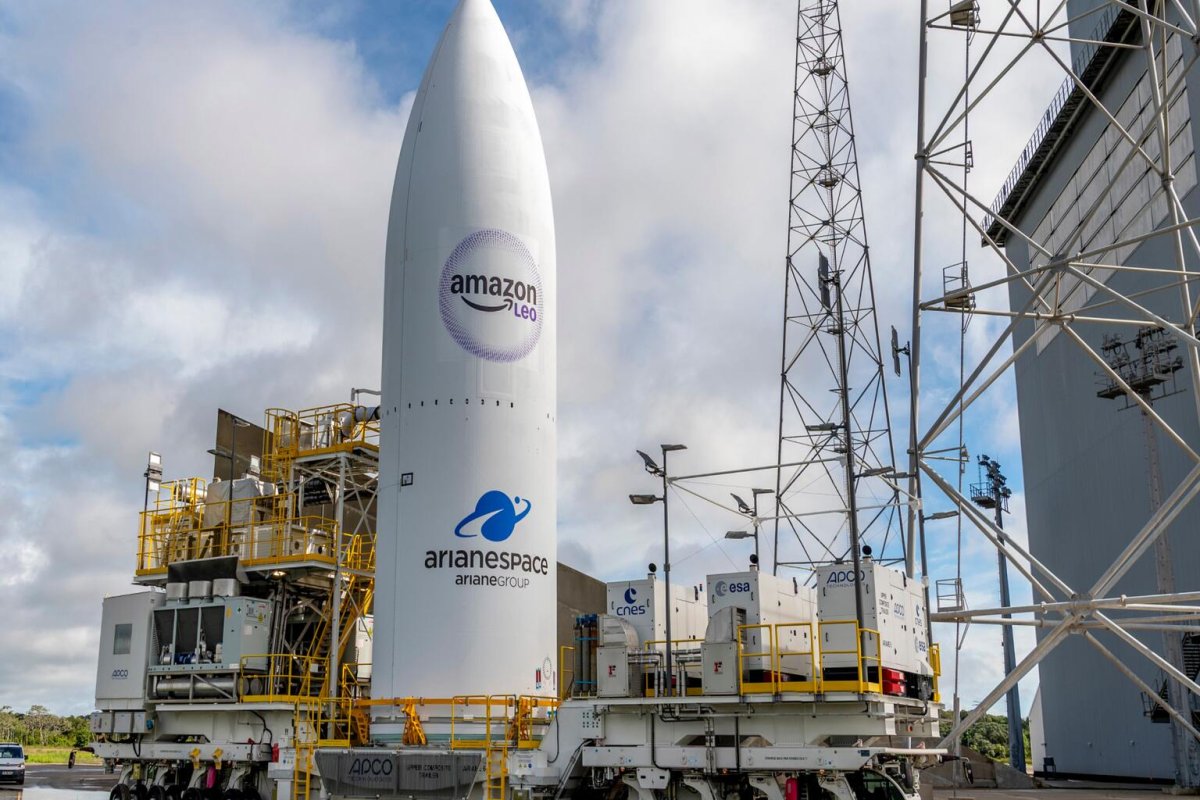
Amazon's launch cadence remains a critical risk. The company has secured over 100 launches and expanded its Arianespace order to 24 Ariane 6 missions, but an FCC order from June 5 revealed that Amazon had expected to have about 700 satellites in orbit by July 30. The actual count was below 400 after its July campaign. The FCC waived the interim milestone of 1,616 satellites by July 30, 2026, but maintained the final deadline for all 3,232 first-generation satellites by July 30, 2029. Satellites launched after the missed milestone temporarily lose spectrum priority until the halfway point or the FCC's time condition expires. This waiver keeps the constellation viable but highlights the deployment challenge ahead.
Performance Claims vs. Real-World Data
Amazon has designed three phased-array terminals: the Leo Nano (up to 100 Mbps), the Leo Pro (up to 400 Mbps), and the enterprise-focused Leo Ultra (up to 1 Gbps down, 400 Mbps up). However, these figures come from limited preliminary testing and are not guaranteed, with caveats about geography, weather, congestion, and plan policy. The devices have not yet received FCC equipment authorization. In contrast, SpaceX reported a median residential download speed of 225 Mbps and median latency of about 25 milliseconds as of March 31. Amazon's figures are maximums for different terminal classes, making direct comparisons meaningless without independent, same-location tests.
Pricing: The Missing Variable
Amazon has not published retail hardware costs, monthly fees, data allowances, or congestion policies. Starlink, on the other hand, allows customers to check availability and order service in supported markets, with prices varying by country and service type. As of September 19, Amazon Leo remains in an advance-registration phase, offering no concrete pricing to prospective customers.
Enterprise Focus: A Potential Advantage
Amazon's strongest early differentiation lies in its integration with AWS. Enterprise customers can route traffic directly into AWS via Transit Gateway or Direct Connect Gateway, and establish private interconnects to data centers without using the public internet. This pitch targets companies and governments that prioritize private routing, managed deployment, and upload capacity. Amazon is already shipping Leo Pro and Leo Ultra terminals to selected organizations in an enterprise preview. Notable customers include Delta (planned 500-aircraft rollout in 2028) and South African provider Herotel (consumer service due in 2027). These contracts demonstrate demand, but not yet proof of performance.
Starlink's Counter-Moves
SpaceX is not idle in these markets. It already sells aviation, maritime, mobility, enterprise, and government products. Its March disclosure also counted about 7.4 million monthly unique devices using satellite-to-mobile data, messaging, or internet voice across roughly 30 countries. Amazon's proposed direct-to-device system is a later contest, with an FCC application covering up to 5,105 additional satellites, with deployment planned to begin in 2028.
What Amazon Leo Needs to Prove
To become a true Starlink challenger, Amazon must disclose the countries and postal codes where service is available, publish full pricing for terminals and plans, and provide independent peak-hour performance measurements. The launch cadence must also accelerate to close the gap between its 396 satellites and the 1,616 needed by mid-2026. Until then, Amazon Leo remains a promising but unproven contender in the satellite broadband race.