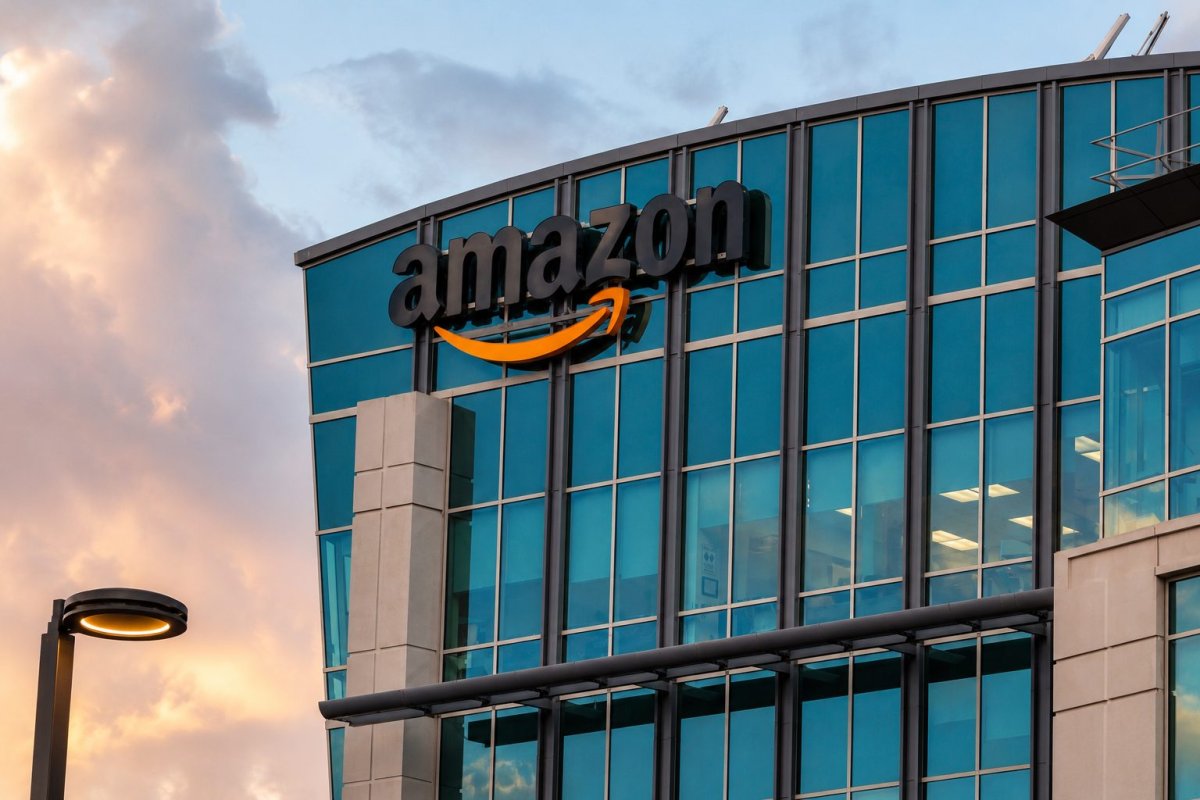
Amazon.com (NASDAQ:AMZN) saw its stock tumble 2.6% to $228.13 in early afternoon trading on Thursday, wiping out approximately $67 billion in equity value. The decline more than doubled Adobe's (NASDAQ:ADBE) $26.3 billion forecast for total U.S. online spending during the four-day Prime Day event, underscoring the market's focus on regulatory and profitability concerns rather than retail sales.
EU Regulatory Pressure on AWS
The primary catalyst for the sell-off was news that European Union antitrust regulators have taken steps to classify Amazon Web Services (AWS) under the Digital Markets Act (DMA) gatekeeper rules. The DMA imposes strict obligations on large online platforms, including prohibitions on self-preferencing, requirements for data portability, and interoperability mandates. AWS generated nearly 60% of Amazon's first-quarter operating income, making any regulatory threat to its business model a significant risk factor for investors.
The European Commission issued preliminary conclusions on Tuesday that both AWS and Microsoft's (NASDAQ:MSFT) Azure should be designated as gatekeepers. Amazon and Microsoft have been given an opportunity to respond, with a final decision expected within the next few months. Microsoft shares also fell 4.4% on the news, reflecting broader market concerns about hyperscaler spending and regulatory headwinds.
Prime Day Performance
Despite the stock's decline, Prime Day got off to a strong start. U.S. online shoppers spent $8.3 billion on day one, up 5.3% from the previous year, according to Adobe Analytics. Adobe called it the biggest e-commerce day of 2026 so far and reaffirmed its $26.3 billion forecast for the entire event. Discounts across categories ranged from 10% to 24%. However, the strong consumer spending data was overshadowed by the regulatory overhang.
Market Context and Technicals
Amazon shares slipped below their 200-day moving average for the first time since April, according to Investor's Business Daily. The broader tech sector also faced pressure, with Alphabet (NASDAQ:GOOGL) losing 1.5% and Meta Platforms (NASDAQ:META) falling 2.6%. In contrast, the Invesco QQQ Trust (NASDAQ:QQQ) added 0.6%, indicating that the selling was concentrated in mega-cap names rather than the overall tech sector.
"Trees don't grow to the sky," said Robert Conzo, CEO at the Wealth Alliance, commenting on the market's reassessment of hyperscaler spending. The Nasdaq faced pressure from concerns that capital expenditure on artificial intelligence may not yield immediate returns.
Financial Highlights
AWS remains Amazon's profit engine. In the first quarter, AWS reported operating income of $14.2 billion out of Amazon's total $23.9 billion, representing an operating margin of approximately 37.7%. By contrast, Amazon's North American retail segment posted an operating margin of just 7.9%. CEO Andy Jassy highlighted that AWS grew 28% year-over-year, calling it the "fastest growth in 15 quarters."
However, Amazon's trailing 12-month free cash flow dropped sharply to $1.2 billion from $25.9 billion a year earlier, primarily due to a $59.3 billion increase in property and equipment spending for AI investments. This cash flow compression adds to investor anxiety about the sustainability of AWS's growth trajectory amid rising regulatory scrutiny.
Zoox Update
Separately, Amazon's autonomous vehicle subsidiary Zoox unveiled a redesigned vehicle on Wednesday, with its Hayward, California plant capable of producing up to 100 vehicles per week. However, the company still requires federal approval to launch paid rides. "The changes further distinguish the Zoox experience," said design director Chris Stoffel. The update did little to lift the stock.
Outlook
Amazon's second-quarter earnings report is scheduled for July 30, with analysts expecting EPS of $1.81. The upcoming results will be a critical test for the stock, as investors weigh the impact of regulatory risks, AI investment costs, and the sustainability of AWS growth against a still-strong consumer backdrop.