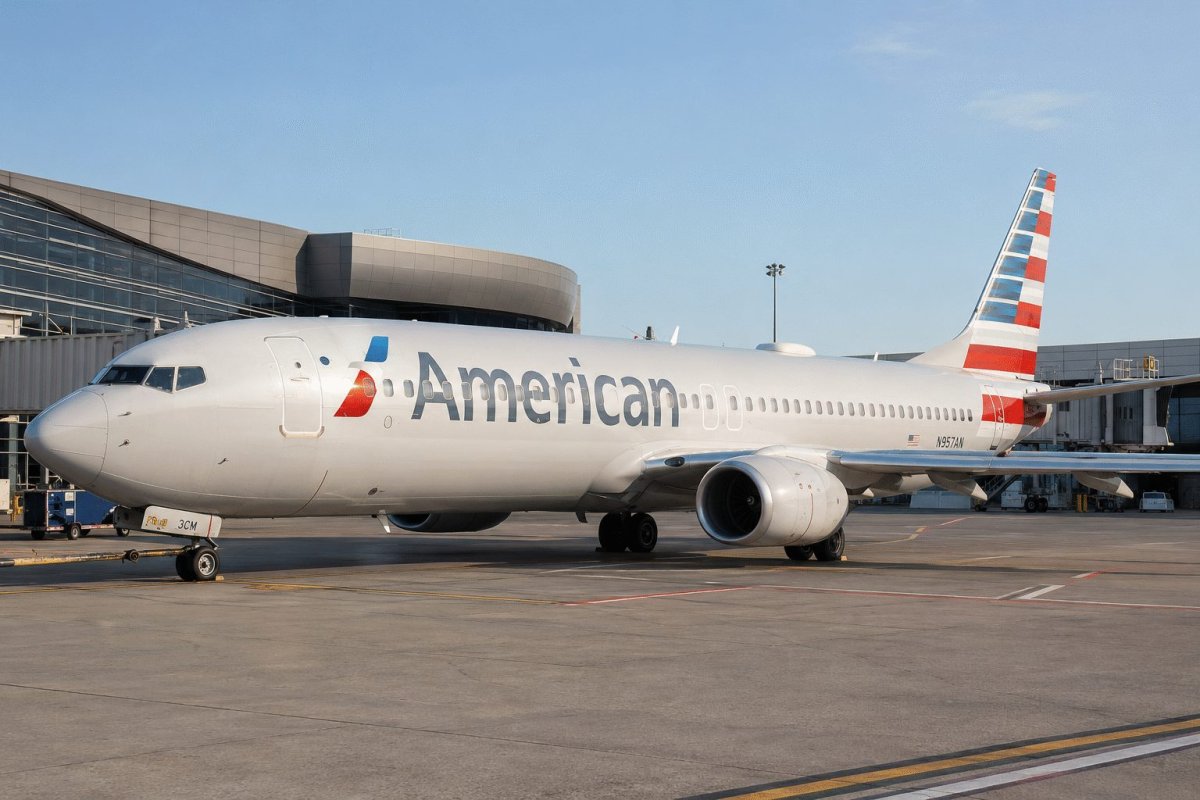
American Airlines Group Inc. (NASDAQ:AAL) is under renewed scrutiny regarding cabin safety after a passenger's laptop caught fire as Flight 2398 landed at Dallas Fort Worth International Airport on Friday. The aircraft landed without further incident, and one passenger received treatment before being released.
The incident occurred on a flight from Atlanta to Dallas-Fort Worth, carrying 133 people. According to pilot audio, the crew quickly secured the device. One passenger was assessed and released, though the pilot mentioned four or five possible cases of burns, which remain unconfirmed.
Shares of American Airlines ended Friday at $13.82, up 2.2% for the day, but down 7.9% for the week. The broader market reaction is expected on Monday when trading resumes. The incident highlights ongoing concerns about battery-related fires on aircraft.
Rising Battery Incidents
The Federal Aviation Administration (FAA) has documented at least 56 battery-related incidents in 2026, as of August 11. This averages to about one incident every four days. The FAA cautions that this list may not be exhaustive, indicating the potential scale of the issue.
While the financial impact of this single incident appears limited, the broader trend of battery incidents could lead to increased regulatory oversight and potential costs for airlines. American operates over 6,000 flights daily, so this one flight represents a fraction of its operations.
Market Context and Valuation
American Airlines' weekly decline of 7.9% was less severe than its major rivals. Delta Air Lines (NYSE:DAL), United Airlines (NASDAQ:UAL), and Southwest Airlines (NYSE:LUV) all fell between 9.5% and 10.1% for the week, suggesting a broader sector downturn rather than a safety-driven repricing specific to American.
Despite the recent dip, American trades at a higher valuation compared to its peers, with a trailing EV/EBITDA multiple of 11.9x. This premium reflects investor expectations for margin improvement and debt reduction, but also leaves little room for error.
Financial Performance and Strategy
American posted record second-quarter revenue of $16.7 billion, up 16.3% year-over-year. However, GAAP net income was just $71 million, or about 0.4% of revenue, as fuel costs surged by over $2.2 billion. The company's adjusted EPS guidance for fiscal 2026 ranges from a loss of $0.65 to a profit of $0.65, indicating significant uncertainty.
In response, American is focusing on premium travel. The airline plans to increase premium seating to nearly 40% of capacity on its narrowbody fleet, up from about 25% currently. Additionally, over 800 narrowbody aircraft will be retrofitted with seatback screens starting in 2028.
Analysts remain divided on the effectiveness of this strategy. Price targets range from $13 to $25, representing a potential downside of 6% and an upside of up to 81% from Friday's close. Recent ratings include a Buy from UBS ($18 target), a Sell from Goldman Sachs ($13), and a Buy from JPMorgan ($24).
Risks and Outlook
The preliminary count of medical cases from the laptop incident may increase, and an FAA assessment could reveal shortcomings in cabin protocols. Lawsuits, aircraft damage, or operational limits could drive costs higher. Conversely, if the device malfunction is managed within existing regulations, the impact may be minimal.
Investors should monitor any revised injury figures, FAA statements, and operational updates from American ahead of Monday's market open. Without further negative developments, the focus is likely to remain on margin improvement and fuel costs, which are more significant drivers of the stock's performance.