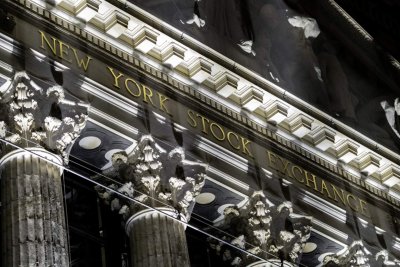
In a surprising turn of events, Anthropic announced on Monday that it has submitted a confidential draft registration for an initial public offering (IPO), positioning itself ahead of OpenAI in the race to debut on Wall Street. The move allows Anthropic to proceed with its public listing once the U.S. Securities and Exchange Commission completes its review, though the company has not yet determined the number of shares or the price range for the offering.
Market Context and Implications
This development shifts the dynamics among frontier AI companies vying for public market validation. OpenAI, which was widely expected to be the first to test investor appetite, is now playing catch-up. The news has sparked debate over whether private AI valuations approaching $1 trillion can withstand the scrutiny of audited financial statements and public market discipline.
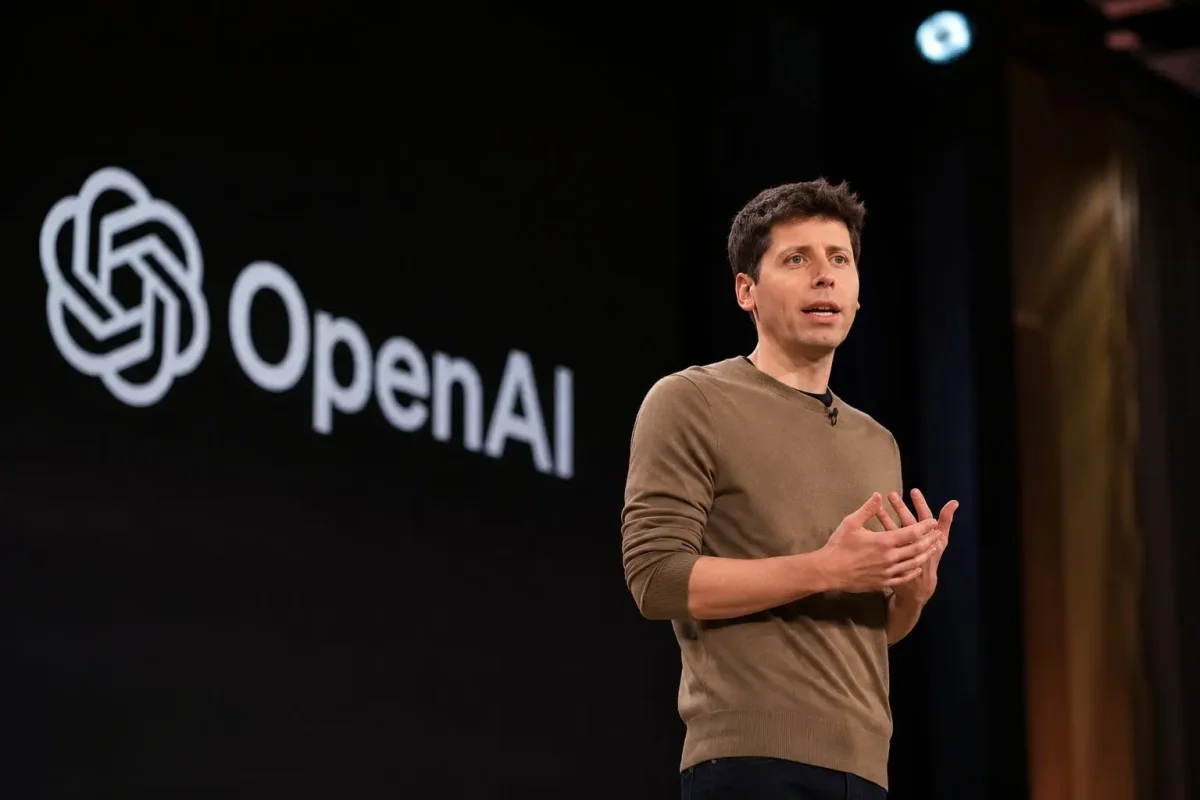
OpenAI CEO Sam Altman downplayed the significance of the timing, telling CNBC that going public is merely a financing event and that the company is not focused on being first. He emphasized that the AI market will not be a winner-takes-all scenario, predicting that customers will choose from multiple providers.
OpenAI's IPO Preparations
Despite Anthropic's head start, OpenAI is moving forward with its own IPO plans. Reports from Reuters indicate that the ChatGPT developer is preparing to confidentially file for a U.S. IPO within the next few weeks, working with Goldman Sachs and Morgan Stanley on a draft prospectus. A public debut could come as soon as September, potentially valuing the company at up to $1 trillion.
OpenAI's private funding rounds have been massive by industry standards. In March, the company completed a funding round with $122 billion committed, giving it a post-money valuation of $852 billion. The company's corporate structure is also noteworthy: its for-profit arm, OpenAI Group PBC, operates as a public benefit corporation, balancing shareholder interests with its mission. Control remains with the OpenAI Foundation, while Microsoft holds approximately 27% of OpenAI Group, and the foundation owns 26%.
Analyst Perspectives
Analysts are divided on whether Anthropic's move will help or hinder OpenAI. Kat Liu of IPOX noted that Anthropic seized the opportunity while the IPO window remains favorable. PitchBook's Harrison Rolfes highlighted that Anthropic now holds a narrative advantage but faces early disclosure risks. Gil Luria of D.A. Davidson suggested that being first could be a significant advantage, especially with multiple high-profile companies like SpaceX, OpenAI, and Anthropic all seeking capital.
IPO watchers are eager for a comparison. Patrick Corrigan, a Notre Dame law professor specializing in IPOs, remarked that many had expected OpenAI to go first. Dan Ives of Wedbush Securities described the rush to list as an opening of the floodgates, while IDC's Tim Law called it a healthy development for the sector once these companies must report quarterly and demonstrate technology spending.
Retail Investor Access and Microsoft's Role
OpenAI is not exclusively targeting institutional investors. CFO Sarah Friar told CNBC in April that the company plans to reserve a portion of IPO shares for retail buyers, citing strong demand from individual investors in the last private round. She described the move as good hygiene for a company of OpenAI's size to begin operating more like a public company.
Microsoft remains a central figure in OpenAI's strategy. In April, Reuters reported that Microsoft would retain its position as OpenAI's primary cloud partner and hold a license for the startup's intellectual property through 2032. OpenAI also committed to spending at least $250 billion on Azure by 2032. Luria called the updated agreement essential for OpenAI's plans to attract business clients, as it enables the company to better pursue customers using Amazon and Google for cloud services.
Risks and Challenges Ahead
The listing faces several risks, and shares could price below current forecasts. Public investors may be more stringent than private backers regarding computing costs, governance, losses, and product bets. Reuters Breakingviews flagged higher chip expenses, increased competition from Anthropic, a $6.5 billion hardware agreement, and growing investor scrutiny of major infrastructure spending as potential hurdles for the IPO story.
As of now, Anthropic has set a first date on the AI IPO timeline, while OpenAI's investors await a formal filing and prospectus detailing revenue, losses, ownership, and risk factors. The race to go public among AI leaders is heating up, with significant implications for the broader technology sector.