Apple Inc. (AAPL) shares declined 1.45% to $311.65 by 1:36 p.m. ET on Wednesday, despite the much-anticipated unveiling of the iPhone 18 Pro lineup. The event, which began at 1 p.m. ET, showcased the new A20 Pro chip, built on a 2-nanometer process, promising a 40% boost in graphics performance and enhanced AI capabilities. However, the market's reaction underscores that the company's pricing strategy, not just hardware specs, will determine the stock's trajectory.
Investors are keenly focused on how Apple will price the new devices to protect its margins without dampening consumer upgrade demand. The iPhone remains a critical revenue driver, contributing 49.6% of Apple's latest quarterly revenue, with Pro models fueling a 22% growth in the category. The A20 Pro's superior performance supports a premium positioning, but the key question is whether customers will be willing to pay for it.
Market Reaction and Key Numbers
Nasdaq's real-time quote showed AAPL trading at $311.65, down $4.57 from Tuesday's close of $316.22, on volume of approximately 27.4 million shares. This intraday snapshot indicates that the launch event did not reverse the downward trend. The stock's movement reflects a market that is waiting for concrete pricing information before making a judgment.
The event, branded as "Surprise and shine," was particularly significant as it marked the first iPhone announcement under new CEO John Ternus. This made the occasion not only a product reveal but also an early test of Ternus's ability to communicate Apple's hardware strategy effectively.
A20 Pro: A Measurable AI Bet
The A20 Pro chip features a six-core CPU and a seven-core GPU, with Apple claiming a 40% increase in graphics performance and a 50% boost in memory bandwidth. The Neural Engine now has 32 cores, significantly enhancing on-device AI processing. A next-generation vapor chamber cooling system directly connects to the chip to manage heat, according to launch coverage. These are substantial upgrades that could entice tech enthusiasts and professionals.
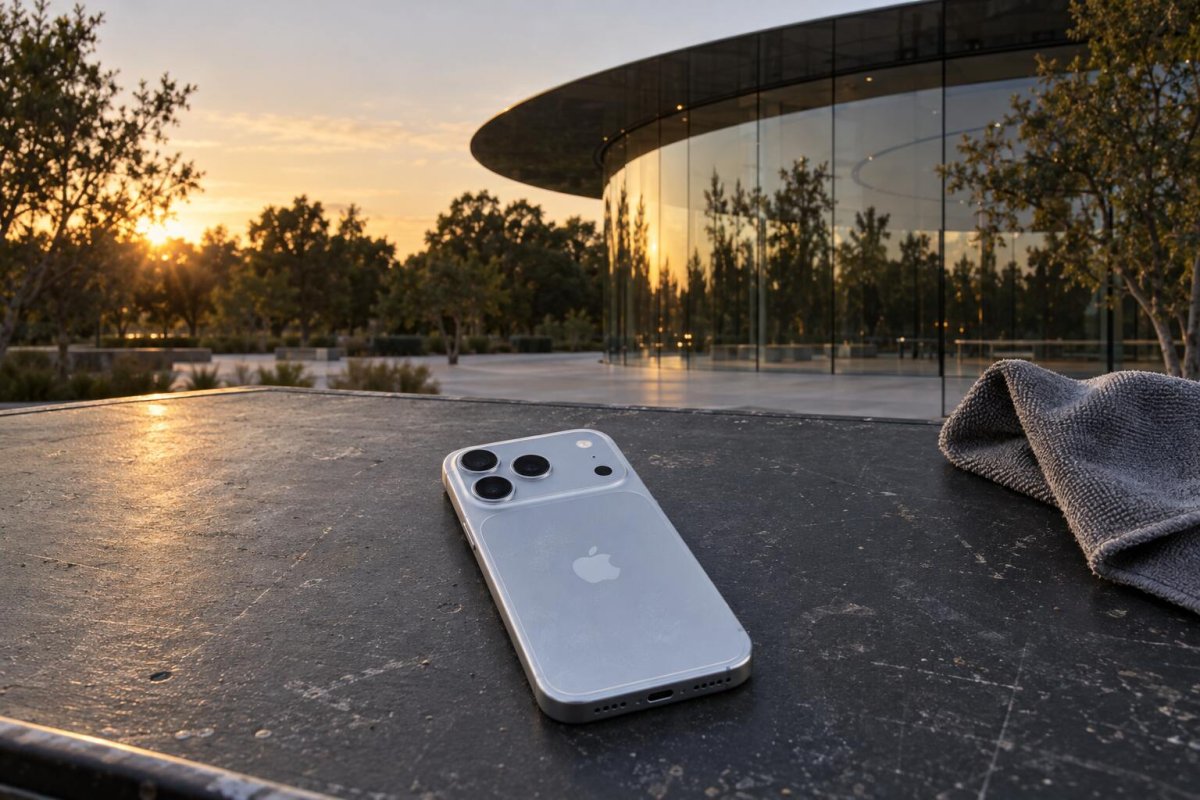
Beyond the chip, the iPhone 18 Pro offers refinements rather than a complete redesign: new color options (black, light blue, glacier, and burgundy), a smaller Dynamic Island, improved battery life, and a redesigned rear camera module featuring a variable aperture on the 48-megapixel main sensor. For consumers, these features are compelling; for shareholders, the 2nm chip's value depends on whether it can justify higher prices, boost volume, or improve customer retention more than it increases component costs.
Why Pricing Matters So Much
Apple's June-quarter 10-Q filing shows iPhone revenue of $54.25 billion, up from $44.58 billion a year earlier. That $9.67 billion increase represented nearly 63% of Apple's total year-over-year revenue growth, with the filing attributing the growth primarily to higher Pro-model sales.
The economics are delicate. Product gross margin stood at approximately 40.1% in the quarter, calculated from $78.68 billion in product sales and $47.15 billion in product costs. Companywide gross margin was 50.1%, but that included about two percentage points of benefit from tariff refunds. Apple does not disclose margins by iPhone model, leaving investors to estimate the impact of higher memory costs and leading-edge silicon on profitability.
Before the event, KeyBanc analysts framed the trade-off bluntly: pass higher costs to customers and risk demand destruction, or absorb them and squeeze margins. Their note, summarized by MacRumors, modeled about 80 million iPhone 18-family builds for the holiday and March quarters, versus roughly 91 million for the prior comparable cycle. These are estimates, not guidance, but they highlight the importance of unit mix and pricing power.
What the Market Needs to Learn
As of the reporting cutoff, Apple had confirmed the iPhone 18 Pro hardware but had not yet published final U.S. pricing on its website. This missing piece prevents a clean read on average selling price and margin. A $100 price increase could boost revenue per device, but it might not be accretive if it slows upgrade cycles or requires richer carrier promotions.
The bullish case remains strong: Pro models already powered iPhone's latest growth, the installed base supports trade-ins and financing, and faster on-device AI can make the premium tier more distinct. The 32-core Neural Engine and higher memory bandwidth are concrete improvements, not just cosmetic changes.
Three indicators will be crucial: official starting prices, preorder delivery times by model and color, and Apple's next gross-margin guidance. A quick lengthening of Pro delivery estimates would signal strong demand, while abundant opening-week supply could be harder to interpret without production data. For now, the stock's 1.45% decline suggests the market wants the commercial terms, not another superlative.