Archer Aviation Inc. (ACHR) shares slipped below the $7 mark in pre-market trading Tuesday, reflecting persistent investor caution as the electric vertical takeoff and landing (eVTOL) aircraft developer continues to burn cash while awaiting commercial launch. The stock last changed hands at $6.84, giving the company a market capitalization of approximately $5.25 billion—less than half its 52-week high of $14.62.
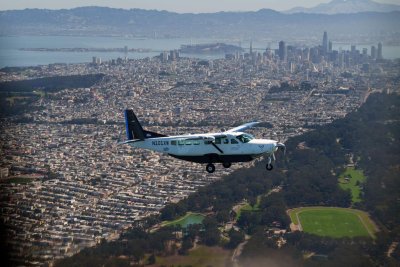
The latest trading levels come as Archer reported a first-quarter net loss of $217.7 million, more than double the $93.4 million loss recorded in the same period last year. Operating expenses surged to $256.2 million, while revenue remained minimal at $1.6 million, primarily derived from operations at Hawthorne Airport rather than commercial air-taxi services. Despite the heavy losses, the company ended the quarter with $1.78 billion in cash, cash equivalents, and short-term investments, which management says is sufficient to fund current plans for at least the next 12 months.
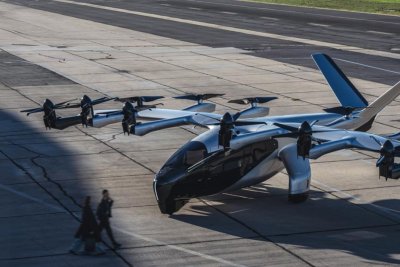
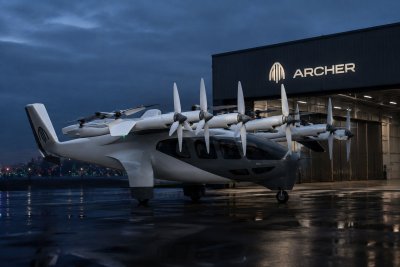
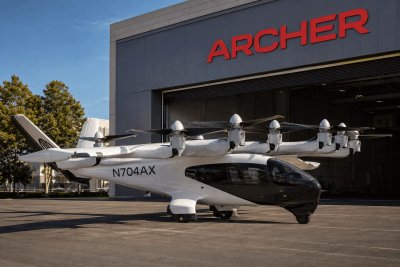
On the regulatory front, Archer announced it has completed Phase 3 of the Federal Aviation Administration's four-step type certification process for its Midnight aircraft. Type certification signifies that the FAA has approved the aircraft's design as meeting safety standards. The company has now moved into Phase 4, which involves formal testing and analysis to demonstrate compliance with FAA airworthiness requirements. This milestone is critical for Archer's timeline to begin commercial operations in 2026.
Founder and CEO Adam Goldstein has sought to broaden the company's narrative beyond urban air mobility, highlighting defense and artificial intelligence software projects as part of Archer's long-term strategy. In a statement, Goldstein noted that Archer made "record FAA certification progress" in the first quarter, underscoring the company's commitment to advancing its technology.
Wall Street analysts remain cautiously optimistic about Archer's prospects. Canaccord Genuity lowered its price target to $12 from $13 following the first-quarter results but maintained a Buy rating. Cantor Fitzgerald also reduced its target to $11 from $13 while keeping an Overweight rating. The analyst community appears to be balancing the promise of certification progress against the reality of ongoing losses and high cash burn.
Investors often compare Archer to its peers in the eVTOL space. Joby Aviation, a direct competitor, last traded at $11.97, giving it a market cap near $11.3 billion. Joby is also pursuing FAA certification and aims to launch commercial services soon, with Reuters reporting in March that its first production electric air taxi had entered flight tests. Meanwhile, Vertical Aerospace traded at $2.70, valuing the company at under $600 million.
Archer is also pursuing international expansion. In May, the UAE regulator placed the Midnight aircraft into a Restricted Type Certificate program, which Archer believes could enable limited commercial flights in Abu Dhabi. Goldstein called this development "a major step" toward launching electric air taxis in the United Arab Emirates, adding another potential revenue stream to the company's timeline.
Despite the progress, risks remain significant. Archer has warned investors that it expects continued losses and rising operating costs in the near term. The company has flagged potential delays in FAA approval, a slower-than-expected ramp-up in the UAE, soft demand, or the need for additional equity financing as key risks that could shift focus from launch milestones to cash sustainability. Until revenue from passenger services materializes, Archer's stock will likely remain a bet on 2026 execution rather than a stable transportation investment.