Asian equity markets opened the week on a subdued note, with investors weighing the impact of elevated crude oil prices and persistent inflation concerns. The MSCI's broadest index of Asia-Pacific shares outside Japan was little changed in early trading, while Japan's Nikkei 225 added about 0.4% and Australia's S&P/ASX 200 slipped 0.3%. The cautious tone came as Brent crude hovered near $88.50 a barrel, following a 6% gain last week, fueled by the unresolved conflict in the Gulf region.
In the currency markets, the Singapore dollar edged higher after data showed non-oil exports surged 24.2% in July compared with the same period last year. Analysts at MUFG noted that the strong export figures reinforce support from the semiconductor upcycle and Singapore's exposure to recovering global technology demand. The U.S. dollar was about 0.1% lower against the Singapore dollar, trading at S$1.2777 in Asian hours.
Across the region, foreign borrowers continued to flock to Asia-Pacific local-currency bond markets at record levels. International kangaroo bond issuance has reached approximately A$60 billion this year, roughly 40% above 2025 levels, while first-half panda and dim-sum bond sales hit records of about 160 billion yuan and 350 billion yuan, respectively. The shift reflects deeper regional investor pools, competitive swapped funding costs, and a broader effort by issuers to diversify away from crowded dollar and euro markets.
Rupee, Yen Movements
India's rupee was expected to open around 95.60 to 95.64 per dollar after the Reserve Bank of India unexpectedly shortened the deadline for a discounted foreign-exchange swap facility. Banks can now use the zero-cost hedge for eligible overseas deposits raised only through August 31, one month earlier than previously planned, following more than $50 billion of inflows. The change removes some prospective dollar support, while elevated oil prices and importer hedging continue to weigh on the currency.
The Japanese yen strengthened 0.2% to 159.055 per dollar as traders pushed back expectations for another Federal Reserve rate hike. Softer U.S. economic data reduced the likelihood of a September hike, nudging Treasury yields and the dollar lower. Gold held steady around $4,381 an ounce, supported by safe-haven demand.
Meta's AI Spending Squeezes Cash Flow
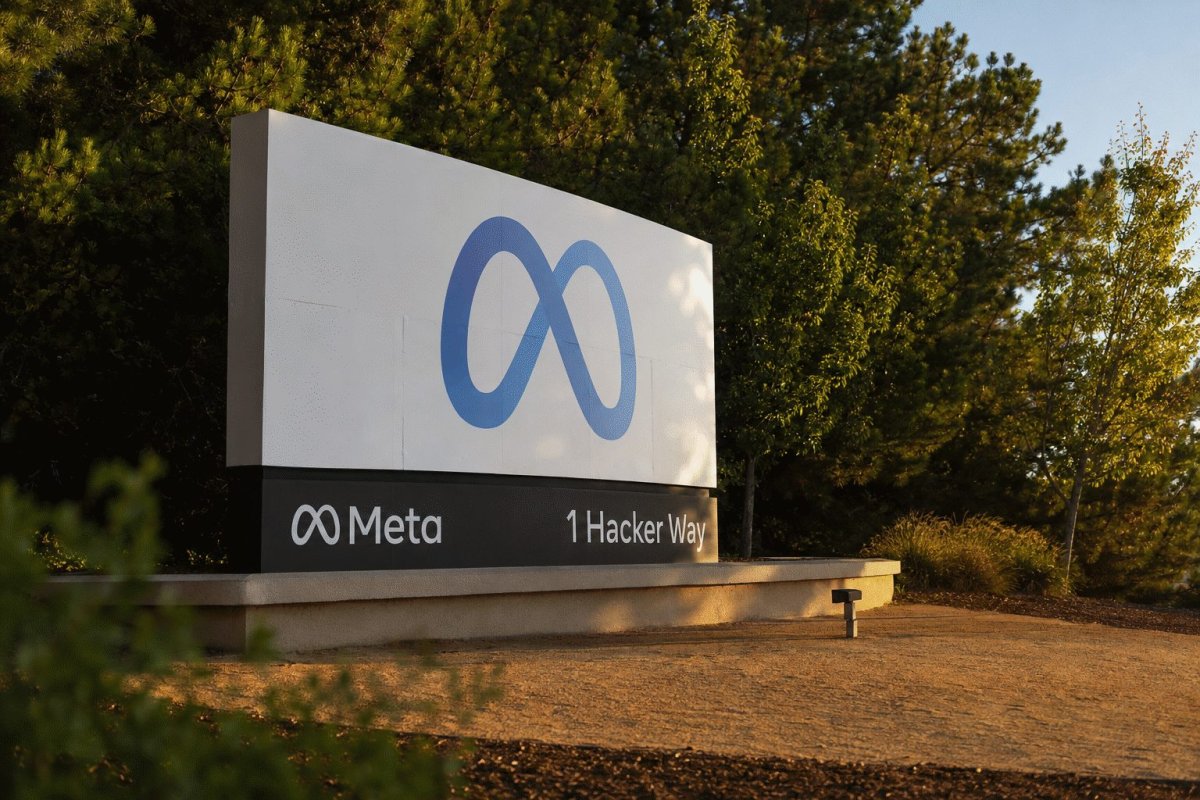
In corporate news, Meta Platforms reported a dramatic 91% drop in second-quarter free cash flow to $784 million, even as revenue rose 28% to $60.80 billion. Capital spending, including finance-lease principal, jumped 83% to $31.08 billion, absorbing almost all of the company's $31.86 billion in operating cash flow. The squeeze puts a harder financial test around Meta's open-weight AI push, as the company guides to $130 billion to $145 billion of capital spending for 2026.
Australian Earnings Season Highlights
In Australia, rail freight group Aurizon delivered a strong FY2026 performance, with underlying EBITDA up 9% to A$1.724 billion and underlying net profit after tax rising 24% to A$433 million. Free cash flow increased 11% to A$573 million, and full-year dividends climbed 46% to 23.0 cents per share. The company also completed a A$250 million on-market buyback. For FY2027, Aurizon expects underlying EBITDA of A$1.725 billion to A$1.775 billion and dividends of 23.0 to 24.0 cents per share, with weaker Coal earnings expected to be offset by growth in Network and Bulk segments.
Mining-technology company IMDEX delivered record FY2026 revenue of A$520 million, up 21%, while reported EBITDA rose 38% to A$179 million and net profit increased 44% to A$79 million. Normalised EBITDA margin expanded to 31%, and technology-enabled platform revenue accounted for 47% of group sales. IMDEX enters FY2027 with five acquisitions completed during the year and says improving exploration activity is supporting demand for its connected, digital and AI-enabled geoscience tools.
Financial software provider Iress reported a strong first half, with statutory net profit up 85% to A$32.0 million and underlying profit after tax rising 18% to A$38.8 million. Cash EBITDA increased 34% to A$61.1 million, while revenue fell 17% to A$250.0 million largely due to divestments. Excluding disposed businesses, revenue increased 2.5% on a constant-currency basis, with recurring revenue representing 95% of the total. The interim dividend was raised to 14.0 cents from 11.0 cents.
Property group GPT reported first-half funds from operations of A$338.8 million, or 17.7 cents per security, with statutory net profit of A$400.1 million and a 12.25-cent distribution. Like-for-like net property income rose 5.8% across the investment portfolio, while assets under management increased 4.6% since year-end to A$41.6 billion. The group maintained FY2026 guidance for about 35.4 cents of FFO per security and a 24.5-cent full-year distribution.
BlueScope Steel emerged as an early reporting-season standout in Australia, with a significant profit boost flagged, as the broader market weakened. By mid-morning, the S&P/ASX 200 was down 0.4% at 9,082, with retailers and banks among the weakest groups. The contrast puts BlueScope's earnings performance in sharper relief on a session otherwise marked by pressure in rate-sensitive and consumer-facing shares.