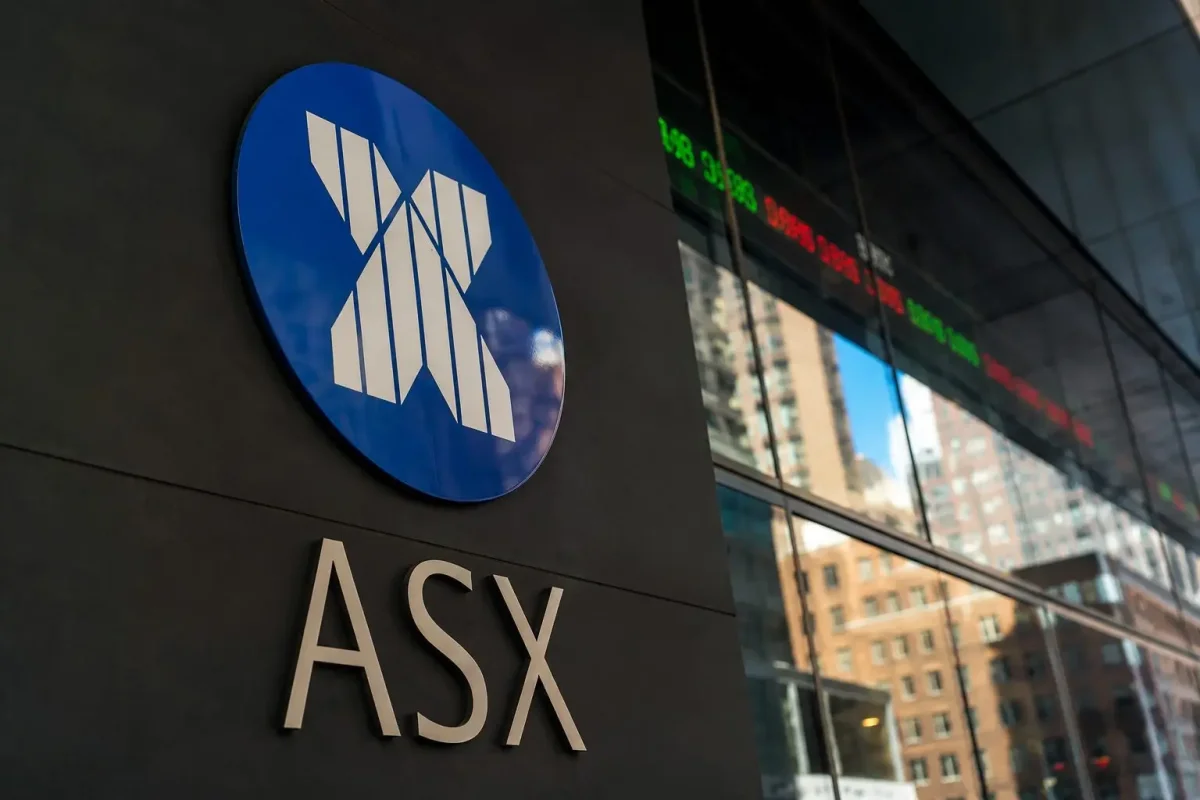
The Australian stock market managed a marginal weekly gain but was overshadowed by a steep decline on Friday that erased nearly A$50 billion in market value. The S&P/ASX 200 index closed at 8,744.4, down 133.7 points or 1.51%, marking its largest single-day drop in seven weeks. Despite the sharp pullback, the benchmark still eked out a weekly rise of 14.6 points, or 0.17%.
RBA Rate Hike and Oil Shock Weigh on Sentiment
The Reserve Bank of Australia raised its cash rate by 25 basis points to 4.35% on Tuesday, citing rising fuel prices and ongoing geopolitical risks in the Middle East. The central bank warned that any escalation or prolonged conflict could push energy prices even higher, potentially dampening economic growth both domestically and globally. This hawkish stance, combined with a fresh oil price spike on Friday, shifted investor focus away from corporate earnings toward macroeconomic headwinds.
Financials Lead Broad-Based Decline
Selling pressure swept across most sectors on Friday. The financials sector fell 2.25%, with real estate tracking closely behind at a 2.23% loss. Utilities dropped 2.03%, while energy declined by 1.63%. Communication services was the lone standout among major sectors, managing a slight gain by the close. On the S&P/ASX 300, losers outnumbered gainers 217 to 69.
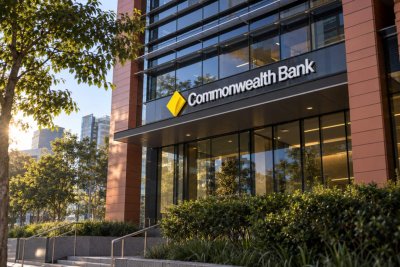
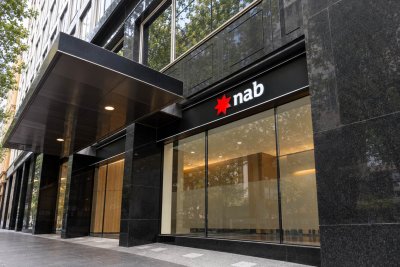
Major banks bore the brunt of the sell-off. Westpac slid 4.8% after going ex-dividend, while National Australia Bank dropped 2.9% and Commonwealth Bank fell 1.9%. The sector remained under pressure following the RBA's third rate hike this year.
Oil Prices and Geopolitical Tensions
Oil prices showed little net movement for the week, but volatility persisted. Brent crude finished Friday at $101.29 a barrel, up 1.23% after reports of exchanges between U.S. and Iranian forces. However, both Brent and U.S. crude recorded weekly losses of over 6%. “The market was on the cusp of a breakthrough or a return to fighting,” said John Kilduff, partner at Again Capital.
Macquarie Group Posts Record Profit
Macquarie Group bucked the broader market trend with a record full-year net profit of A$4.85 billion, a 30% jump that surpassed the Visible Alpha consensus of A$4.39 billion. The investment bank's commodity and trading division benefited from heightened Middle East volatility, which boosted oil and gas volumes. Macquarie shares hit an all-time high of A$249.49 before closing lower alongside the broader market.
Macquarie Chair Glenn Stevens described the ongoing war as a tough challenge for policymakers, noting that supply constraints and rising prices create a difficult combination for macroeconomic policy.
Mixed Corporate Headlines
Company news provided some bright spots. News Corp added 2.6% following a strong quarterly report, supporting the communication services sector. Block surged 4.8% after raising its profit outlook for the year. However, Tabcorp slumped another 14.2% on Friday, extending its slide as AUSTRAC launched an enforcement probe into its anti-money laundering and counter-terrorism financing controls.
Outlook: Uncertainty Persists
The near-term direction for Australian equities remains uncertain. If disruptions in the Strait of Hormuz subside, oil prices could fall, easing inflation concerns. But if the conflict drags on, AMP chief economist Shane Oliver warned that the longer the strait remains closed, the greater the hit to both the global and Australian economies.
National Australia Bank’s chief economist Sally Auld noted the RBA’s clear preference for price stability and expects the central bank to hold rates at 4.35% for now.